Published: 11 August 2026
Last updated: 12 August 2026
En route to a recent trip to Israel I visited Salzburg, home to The Sound of Music. There are no Jews in this tale about the von Trapp family, whose performance at the Salzburg Festival was a ruse to escape Nazis. But the Jewish presence lies just below the surface - and the attitude of Salzburg’s Jews to Austrian culture has a remarkable new relevance for Diaspora Jews today.
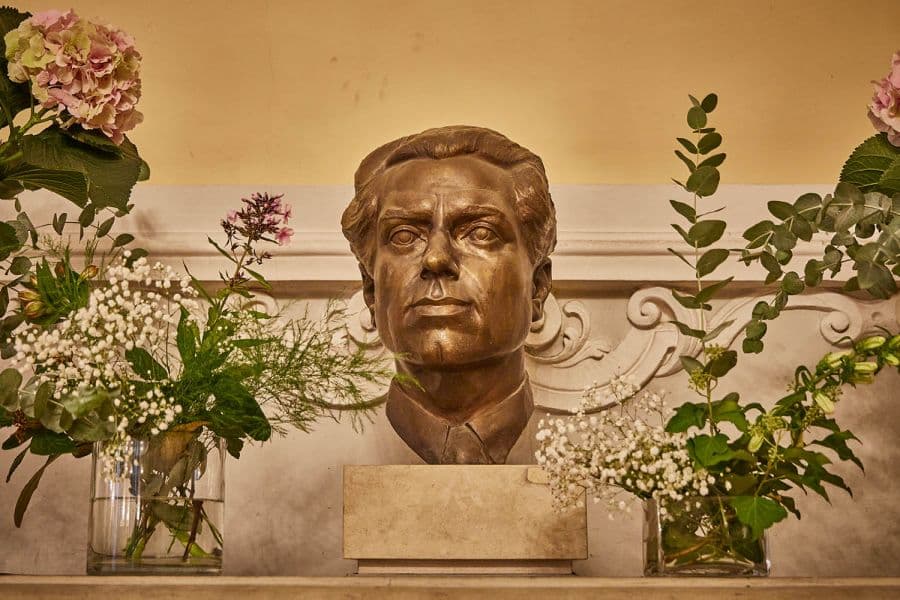
The von Trapp family home in the movie, Leopoldskron, was home to the renowned Jewish theatre director and co-founder of the Salzberg Feastival Max Reinhardt.
Reinhardt’s vision was to build “a triumphal arch celebrating Austrian art, with Mozart as its crowning glory, in order to weave a new social fabric based on our shared European heritage”. He believed one could "find redemption in art". Reinhardt, like writer Stefan Zweig and other Jews devoted to European music and culture, embraced life in the country where they lived.
Zweig had been close to Herzl when he was young, but rejected Zionism. He wrote to Martin Buber that he “never wanted Jews to become a nation again and thus lower itself to taking part with others in the rivalry of nations. I love the diaspora and affirm it as the meaning of Jewish idealism, as Jewry’s cosmopolitan human mission.”
Zweig believed the Jews’ “sacred mission” was to serve as “the gadfly which plagues the mangy beast of nationalism,” and to work for the “dissolution of nationalist tendencies”. “These Jews without a country are the best assistants of the good Europeans of the future.”
There is no English word for this world view but there is a word in Yiddish: doikayt, literally “hereness”.