Published: 23 February 2019
Last updated: 5 March 2024
Spectacular show, tons of lights and special effects, great songs that everybody can hum along to, gorgeous singers and dancers, horrible outfits and let's face it – a large amount of lousy songs as well, which is part of the magic.
Little wonder that the Eurovision song contest has been described as the gay contest” or “the gay Olympics”.
Who better than a group of gay viewers to shout snarky remarks at the TV about how much the German singer’s stylist must hate her because he sent her on stage with a horrible dress?
The gays have always idolised divas and larger-than-life figures. It’s been the case in all forms of performing arts, especially musicals. And over the past few decades, they've found a spiritual home in the biggest musical show in the world.
Singing along, awarding points to the best songs, making fun of the hosts who are trying to be funny but aren't, drooling over the drop-dead gorgeous half naked male dancer – all that makes this event attractive to the average gay male.
But there’s some political substance beyond the glitz. The LGBTQ community in Israel has also benefited immensely from Eurovision. When the Israeli transgender singer, Dana International, won the contest in 1998 with her song Diva, we saw more understanding and respect towards the community.
The public understood that the LGBTQ community brought respect to the country and became more tolerant. The world got to see a different side of Israel thanks to its musical representative. We are, and are, indeed lucky we are to have a great singer like Dana International.
[gallery columns="1" size="large" ids="26219"]
The contest has become a symbol of tolerance in Europe thanks to this community. While singers in the past did not declare anything about their sexuality, today it is accepted that declaring you’re part of the LGBTQ community will be a benefit.
However, not all countries are as comfortable with this openness; in particular, some eastern European countries. When the bearded drag queen Conchita Wurst represented Austria in 2014, Russia, Hungary and other countries demanded the European Broadcasting Union allow them permission to not broadcast her song.
In return, Europe voted for her and she had won. In 2013 a Finnish female singer kissed one of her female backup singers, an act that was not received well in Russia, Azerbaijan and other countries who are known for not being tolerant towards gays. That gesture was aimed towards the Finnish government, which that year voted against same-sex marriage. That singer, by the way, is straight.
About 200 million viewers tune in every year all around Europe and Australia, the vast majority of them straight. I guess Eurovision is like porn – we all watch but are ashamed to admit it. If you're straight and love watching the show, you're not alone and indeed, are in good company.
If Australia really wanted to win the contest it should have thrown buckets of money at Kylie Minogue and send her to compete. I don't know a single person (gay or straight) who would not have voted for her. Instead, you chose Kate Miller-Heidke. I am sure she will perform well but Kylie would have been a dream come true.
RELATED
Why Ireland votes for Poland, and other strange secrets of Eurovision
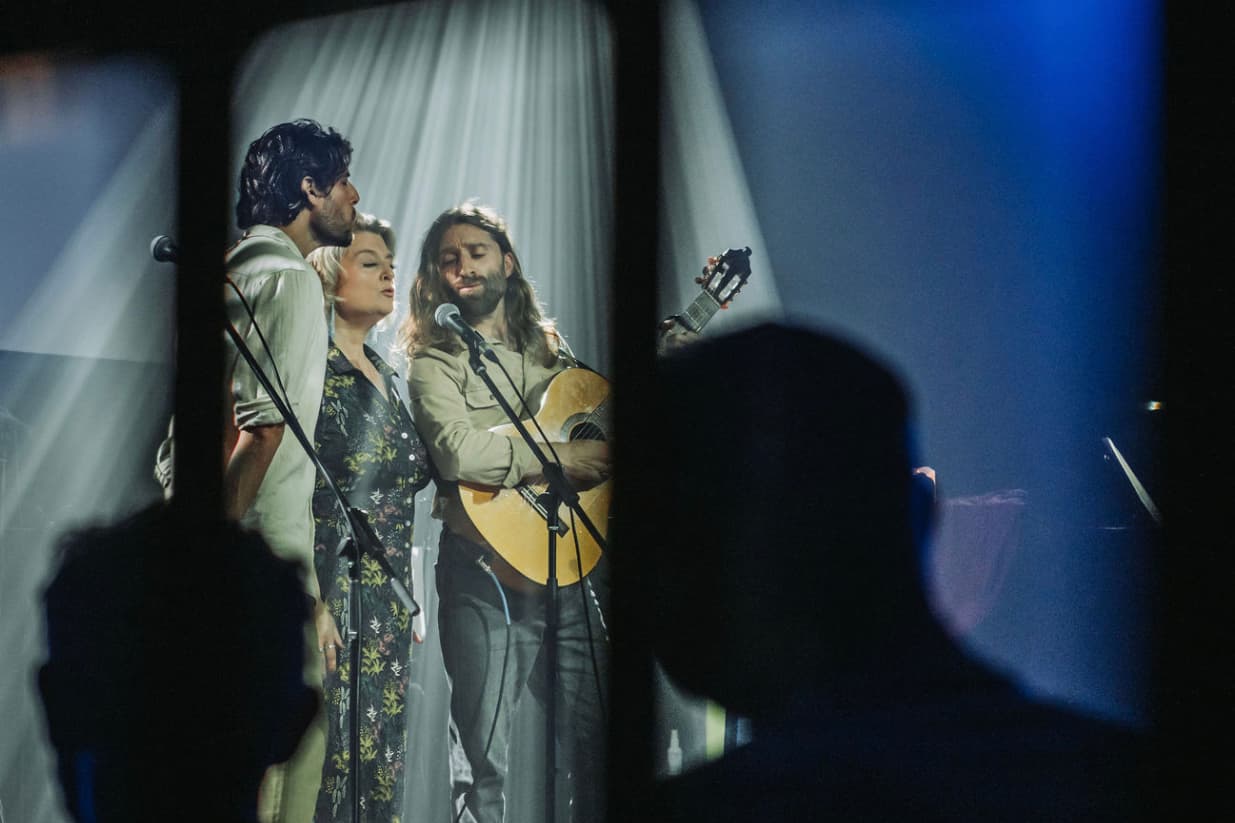
Photo: Dana International and Conchita Wurst perform together during Eurovision's 60th anniversary special (BBC)