Published: 1 August 2023
Last updated: 5 March 2024
Italian cook and author SILVIA NACAMULLI takes AVIVA LOWY on a tour of her country's Jewish history and explains how not to kill an artichoke.
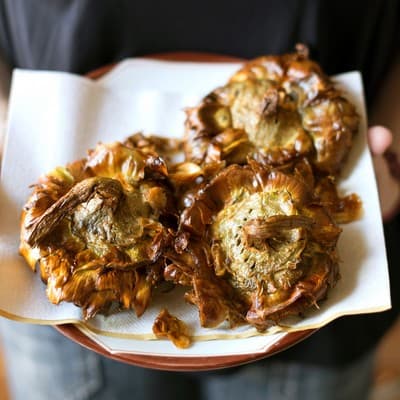
What is the quintessential Jewish Italian food? Artichokes, according to cook and historian Silvia Nacamulli. The dish is called Carciofi alla Giudia - Jewish-style artichokes.
“The name kind of gives it away,” laughs Nacamulli. “A la Giudia is really the way of knowing how to peel the artichokes. You use the beautiful purplish local artichokes from the Lazio region around Rome. The Jews really did know how to peel it in a way that you are left with a close rose. When you deep fry it, it becomes like an open sunflower and it’s crispy and delicious. If you go to the markets, some people would just cut the artichokes flat. This is what I call to kill an artichoke.”
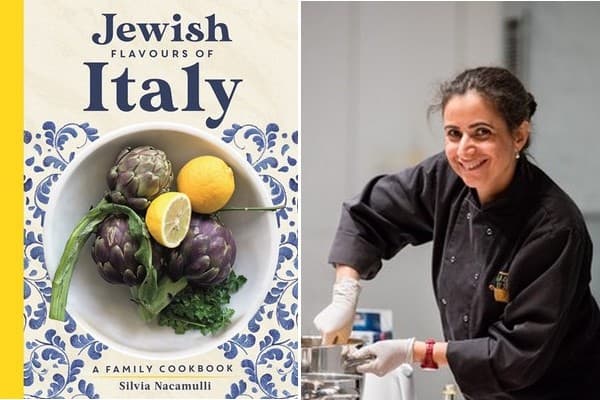
No surprise then, that it is artichokes which grace the cover of Nacamulli’s new book, Jewish Flavours of Italy: A Family Cookbook, which is a tasty mix of history and the recipes which bring this tradition to life.
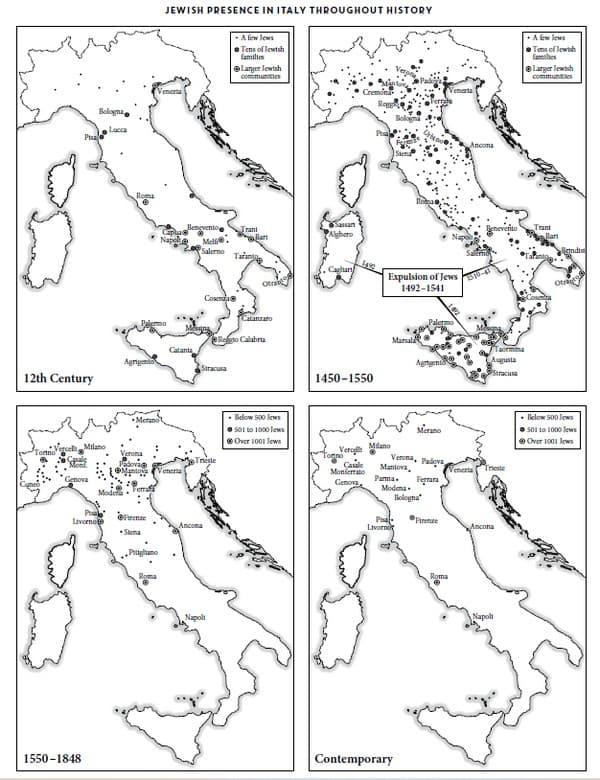
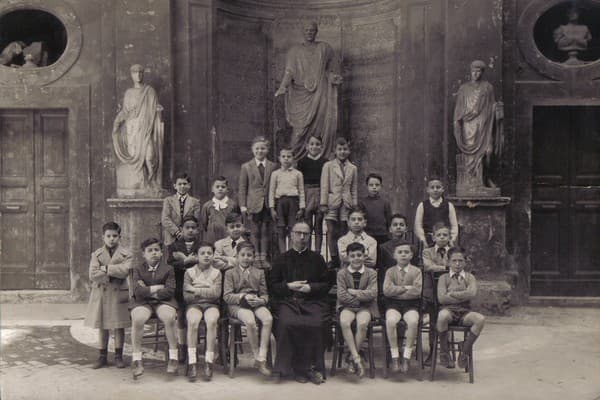
“Rome, where I’m from, is the oldest continuous Jewish community in the Western world,” says Nacamulli, who now lives in London. “It was already registered in 200 BC. The numbers grew after the destruction of the second temple in 70 AD when the Romans brought back the Jews as slaves. They came straight from Jerusalem to Rome and have been present since.”
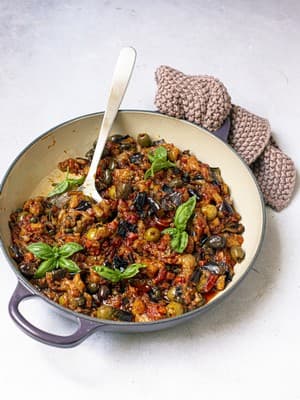
Even though Italy’s capital may boast the earliest record of Jewish habitation, there have been Jews living throughout the country, as we know it today, for almost as long. Nacamulli thinks the Jews of Sicily were more likely free settlers; merchants who came to the busy Mediterranean trade hub which became an ethnic melting pot. It was here that the eggplant, which also has a special place in Italian Jewish cooking, took root.

Originally from India, the eggplant was widely used in North Africa, from where the Moors took it to Sicily. While the eggplant became a “much-loved staple food” for the Sicilians, says Nacamulli, it was regarded with suspicion and looked down upon by central and northern Italians.