Published: 1 August 2023
Last updated: 5 March 2024
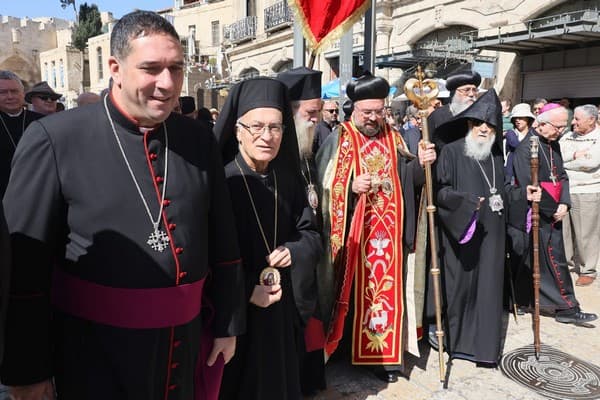
The behaviour, which ranges from harassment to vandalism, spitting and assaults, is targeting not only clergy but also Christian tourists identifiable by religious symbols.
Christians in the State of Israel constitute less than two percent of the population but maintain a formidable role in shaping the region’s heritage, sites and society. Their roots trace back to the earliest days of Christian communities, claiming direct ties to disciples of Jesus during the Second Temple period. Since the 7th century Umayyad occupation, the community has primarily been Arabic-speaking, and as such, today, commonly recognised as Palestinian Arab Christians.
The clergy, alongside the lay community, are an integral part of the Christian presence and heritage in Israel. While some clergy members are locals, many arrived in Israel driven by their religious devotion and mission to serve in holy places, offering religious services and prayers to the local communities and pilgrims who visit the Holy Land.
Beyond their custodial responsibilities for the holy sites, religious communities, including brothers and sisters, have consistently attended to the needs of the Christian population. They provide welfare and relief services, education, medical assistance, professional training, and more, all aimed at fortifying and advancing the existing communities in the very places where pivotal Christian events unfolded.
As a Christian minority within the country, the lay communities and clergy have adeptly maintained amicable relations with the authorities to safeguard their status, property, and, most significantly, the holy places.
The past year has witnessed a growing number of incidents that include harassment and intimidation from Jewish extremists against Christians.
Christians in Israel are divided among 13 official Christian denominations, along with other Protestant communities and groups. While this diversity may complicate cooperation in religious and leadership matters, it does not impede everyday life, particularly as they face shared challenges.