Published: 3 February 2026
Last updated: 4 February 2026
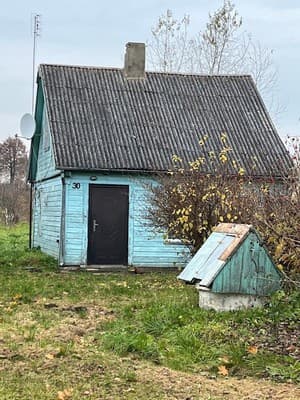
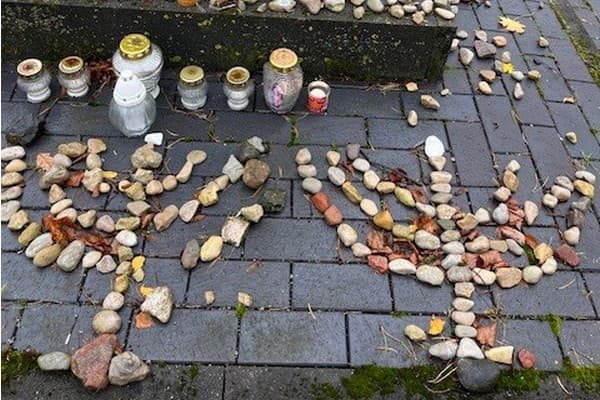
I found myself alone in Naryshkin Park, in Zagare, a tiny village in Lithuania on a misty October morning, carrying a backpack heavy with stones and candles.
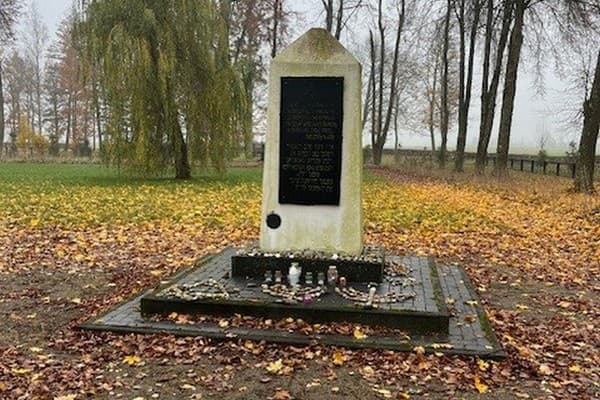
There were signposts for the alley of Linden trees and the chestnut tree grove, but not a single one for the “pit” as the locals call it, the mass grave on the edge of the estate which is where I was headed.
It was my second day in this village from which my father’s parents immigrated to South Africa in 1926. In the weeks leading up to my trip, I delved into historical research, the unbearable details of which still clung to me.
My plan was to stay no longer than was absolutely necessary to do right by my ancestors. I would make a clinical visit to say Kaddish at two murder sites – the park and town square.
I couldn’t gauge the protocol for such a trip. Was it appropriate to stay in a lovely hotel inclusive of breakfast? Have a massage or a moment’s frivolous retail splurge? Would I cope alone with the weight of what I was about to witness? When I fretted to my husband he said, “just take it one pogrom at a time”.
I’d already been to Rumbula forest near Riga, where on November 30 and December 8 in 1941, 25,000 Jews were shot and buried in a mass grave; and the concentration camp, Salaspils, near Riga, now the site of enormous, moving sculptures.
This was my third stop – different, because my grandmother’s parents, sister, brothers and nephews lie buried here with some 3000 others. My father’s mother Chaya was the sole survivor of her family. After she left Lithuania in 1926, she never returned. She grieved afar from the shores of Africa.