Published: 15 November 2022
Last updated: 5 March 2024
Contemporary Jews are finding new meaning in rituals such as havdalah and tashlich as rites of passage after divorce.
For Lyssa Jaye, throwing the wood chips into the Tuolumne River felt in many ways familiar to the tashlich ritual performed on Rosh Hashanah. But rather than casting off her sins, she was tossing away feelings: shame, resentment, anger.
They were the emotions that had taken residence inside Jaye since her divorce eight years ago, along with a sense of failure. And she had come to a Jewish retreat to rid herself of them.
“I’ve been carrying around these feelings for years now,” Jaye said. “I have a completely different life now, and I needed to let them go.”
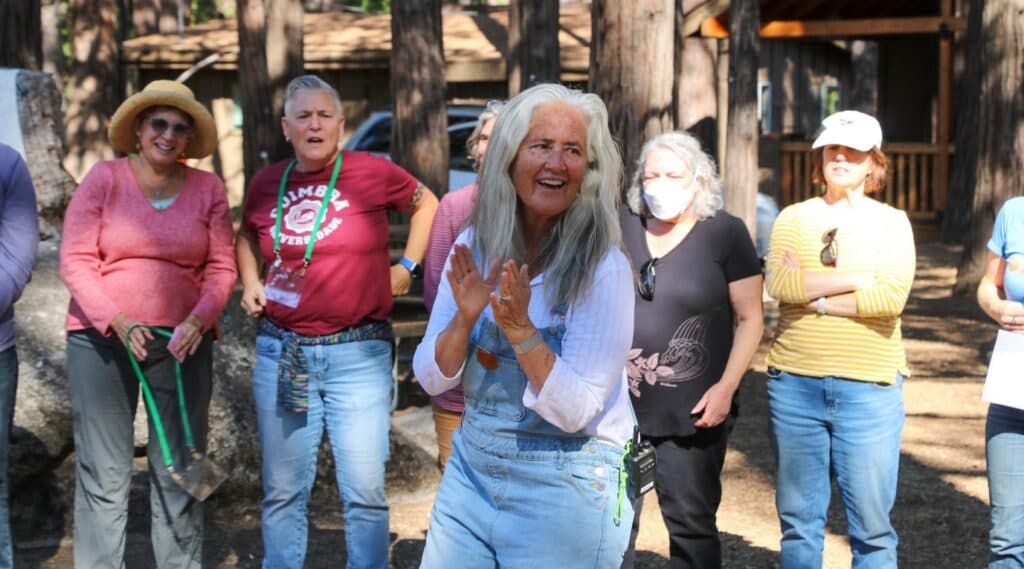
Jaye was taking part in Divorce & Discovery: A Jewish Healing Retreat, the first gathering in a series conceived by Rabbi Deborah Newbrun as part of her training, held this month at Camp Tawonga in the Bay Area, California.
From the moment participants arrived at Camp Tawonga, they knew this would be no ordinary Jewish retreat. At the opening event, all of the facilitators, several clergy members and a therapist shared their own divorce stories, “to set the standard and normalise vulnerability, transparent sharing and establish that we all know what it’s like to have a marriage end,” Newbrun said.
Jaye said she left no stone unturned in seeking out support, an experience Newbrun said she heard echoed by many participants. Jaye attended a retreat at a local meditation centre. She read self-help books. She joined a support group for divorcees. She went to therapy.