Published: 6 October 2025
Last updated: 6 October 2025
I can’t stop thinking about a conversation I had last year.
It was with someone raised in the same Jewish day school ecosystem, the same Jewish community, the same circuit of local synagogues as me.
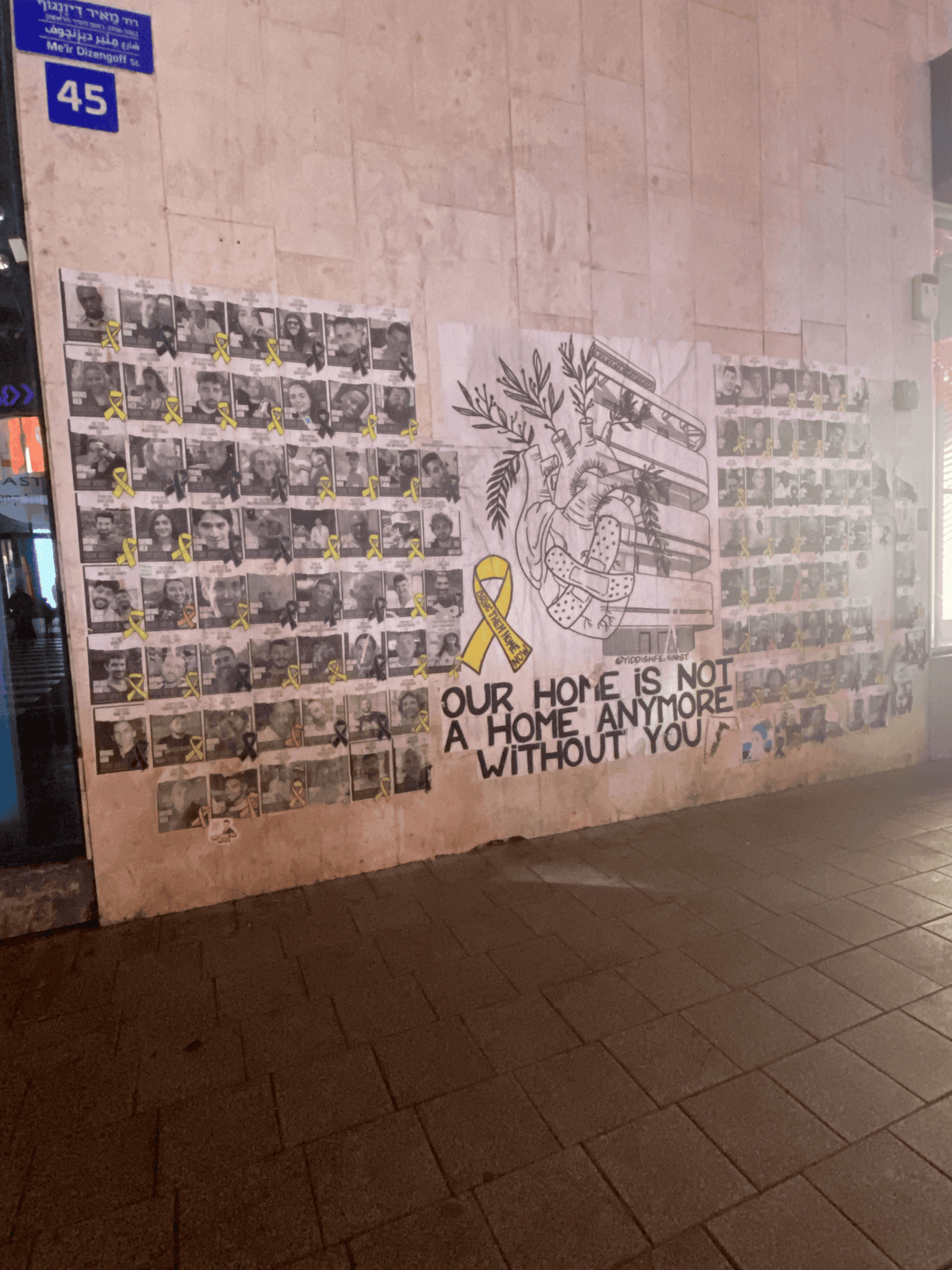
They told me they weren’t sure it was worth continuing the fight to bring the hostages home.
They said the hostages who were still alive were probably too broken anyway. That the trauma and pain would have destroyed them beyond repair, psychologically and emotionally. They didn’t even acknowledge those who were no longer alive.
It was said so casually. Like it was a cost-benefit analysis, not a statement about the lives and dignity of real people, people of all ages, faiths and nationalities. People with full lives and futures ahead of them: plans to get married, raise families, study, travel the world.
They spoke as if these hostages were theoretical pawns on a geopolitical chessboard. Not young people who had gone to dance. Not kibbutzniks who believed in harmony and built peaceful communities in Israel’s south.
I sat there stunned, unsure how to even respond.
I was familiar with all the ways people had justified the atrocities of October 7, denied that they had actually happened, or dehumanised Israeli and Jewish people. But this moment revealed something deeper.
Afterward, I kept replaying those words in my mind. It wasn’t worth continuing the fight to bring the hostages home. What struck me wasn’t just the detachment, it was the profound helplessness and the lack of moral courage behind such a statement.