Published: 8 October 2019
Last updated: 5 April 2024
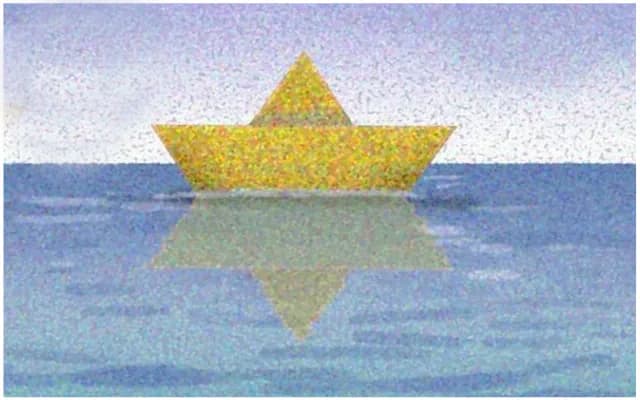
WHEN NOAH HEARD THE voice that called him to build an ark to save human lives and animal biodiversity from the approaching flood, he complied with devotion. Most likely, Noah built his ark while his neighbours were watching, oblivious to the corruption of humankind that he had observed. Only when a few drops fell of what would soon become the largest natural disaster in biblical history, did Noah’s work start to make sense.
Global warming is the current manifestation of the flood that we have brought on ourselves. It is a warning of how ill our Earth is. This disaster is caused by our crimes against mother nature. The urgency transcends ideological discussion.
We must address the consequences of our consumption and production of goods and services. The list includes overexploiting the soil, the water, the air and the natural resources.
The difference between the sophisticated creatures we are, and the sensitive humans we should be, is reflected in the flawed criteria we apply to the distribution of resources and lack of fairness in the social order. By disregarding the freedom we enjoy through living in community, we are shirking responsibility for our fellow human beings and sharing planet Earth.
The starting point, then, is an acknowledgement that we must change our habits. Being sustainable is everyone’s responsibility and it needs to be assumed personally. Changing our habits requires values that shouldn’t simply be announced. Instead, each one of us needs to embody and act accordingly in what we consume, eat, produce and in the way we use water, energy and recycle waste.
We no longer need to look for those who are guilty, nor do we need to disclose and report. And just like Noah devotedly listened to the voice that called him to build the ark, we are being called to immediate action as individuals, communities and nations.