Published: 21 November 2023
Last updated: 5 March 2024
ELHANAN MILLER meets the musical director of a New York production based on post-World War II songs but resonating with contemporary needs for resilience.
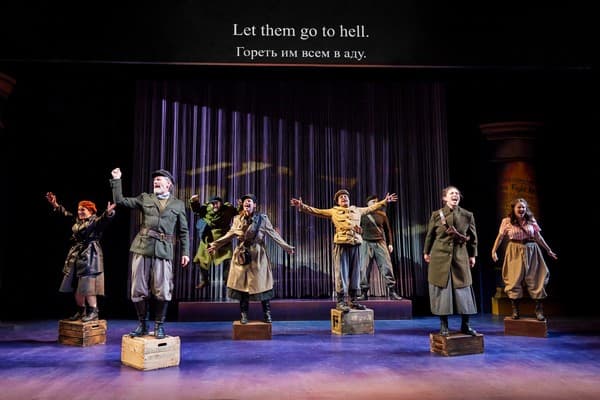
A day after the horrendous Hamas attack on southern Israel, actors in New York began rehearsing the new Yiddish musical Amid Falling Walls, or Tsvhishn Falndike Vent in Yiddish. The title is taken from Hirsch Glick’s famous 1943 Partisan Song, closely associated with the Warsaw Ghetto uprising.
“It weighed heavily on us. We couldn’t breathe,” said Zalman Mlotek, the artistic director of the National Yiddish Theatre Folksbiene, and musical curator of Amid Fallen Walls, which opened on November 20 at the Edmond J. Safra Hall at the Museum of Jewish Heritage in Battery Park, downtown Manhattan. “We all have family in Israel, so how could we not think about what was happening today?”
The songs in the musical are taken from Shmerke Kaczerginski’s 1948 work Lider Fun di Getos und Lagern (Songs of the Ghettos and Camps), which he collected from Jews in displaced persons camps across eastern Europe written during the Holocaust.
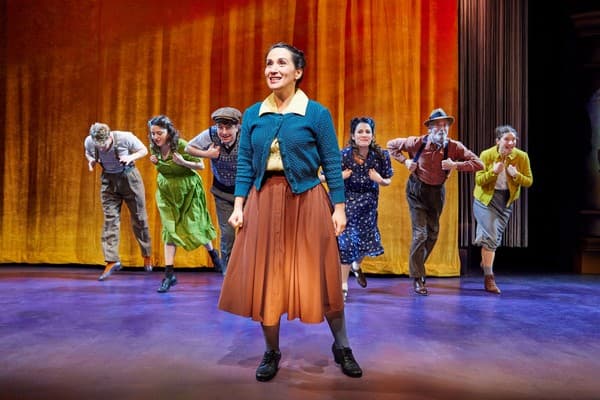
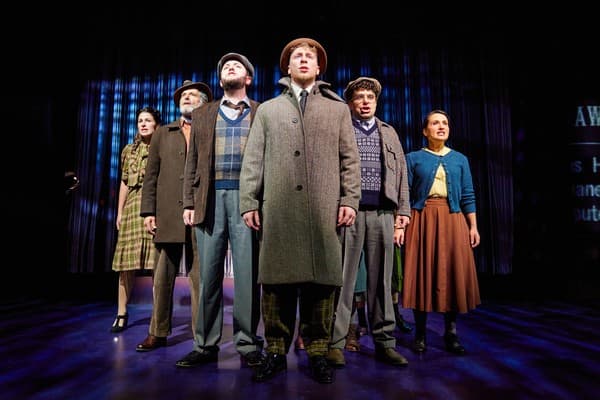
Like any good Jewish theatre work, the audience vacillates between tears and laughter as photos of the young poets whose songs are performed are screened on the walls. The play advances chronologically from the cultural life in the ghetto early in the war, through the deportations, to the bravery of partisans at the end.
Mlotek was raised in a traditional Bundist (secular Yiddishist socialist) family, but has taken on more religious observance as an adult. He began performing Yiddish wartime songs at a Yiddishist summer camp called hemshekh, Hebrew/Yiddish for “continuation,” which attracted many second-generation participants.