Published: 5 September 2024
Last updated: 27 August 2024
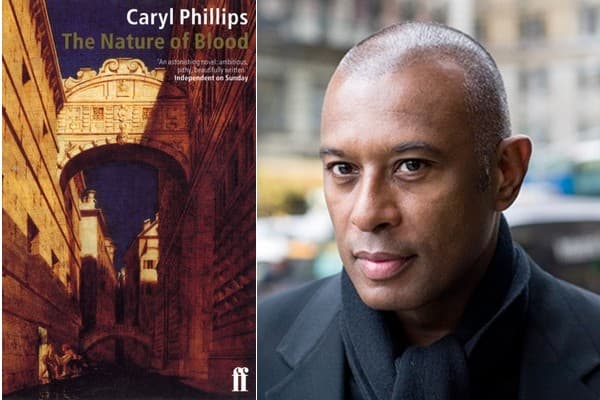
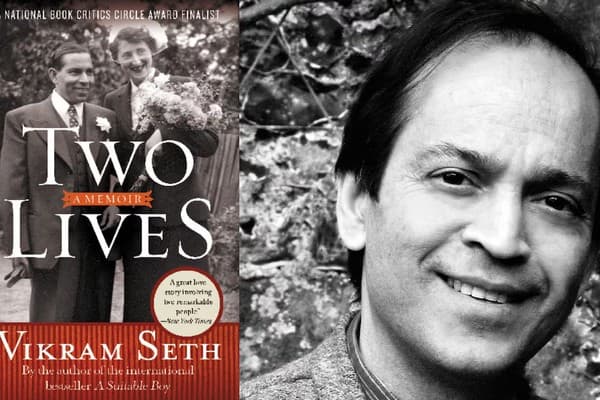
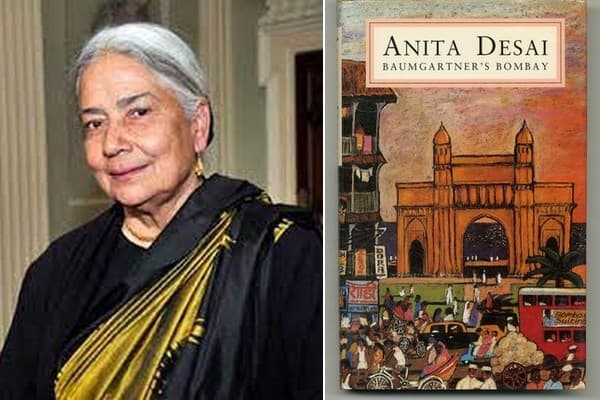
Jewish characters often appear in contemporary novels – and even in memoirs – by non-Jewish writers. Dr Isabelle Hesse, a senior lecturer in the discipline of English and Writing at the University of Sydney, is fascinated by them. In a recent lecture delivered at the Sydney Jewish Museum, Hesse discussed how Indian and British-Caribbean authors explore ideas of Jewishness in their work – and what readers can gain from such exploration.
Hesse, who is not Jewish, was born and grew up in Luxembourg, where the history of the Holocaust is “very prominent”. She recalls that as early as when she was in Year 5 or 6, a Holocaust survivor came to her classroom to tell their story. From a young age, Hesse became interested in the Holocaust and was drawn to reading novels about it.
After finishing school, Hesse studied English, American, and post-colonial literature at university. She began reading novels written by authors across the world, and was captivated by books that brought together histories of the Holocaust and other histories, such as the partition of India.
Over time, Hesse became curious as to why authors from countries where Holocaust history is lesser-known – such as India, the British Caribbean and the African continent – chose to include Holocaust history in their writing, together with other histories they were more familiar with.
So it’s perhaps unsurprising that Hesse’s recent lecture focused on three books, each of which, she says, opened up the Holocaust and Jewish experience of World War Two to global audiences. At the same time, each book is a catalyst for readers to consider how different histories can be connected to each other, or what can be learned from comparing different experiences of being excluded and persecuted.