Published: 10 February 2026
Last updated: 10 February 2026
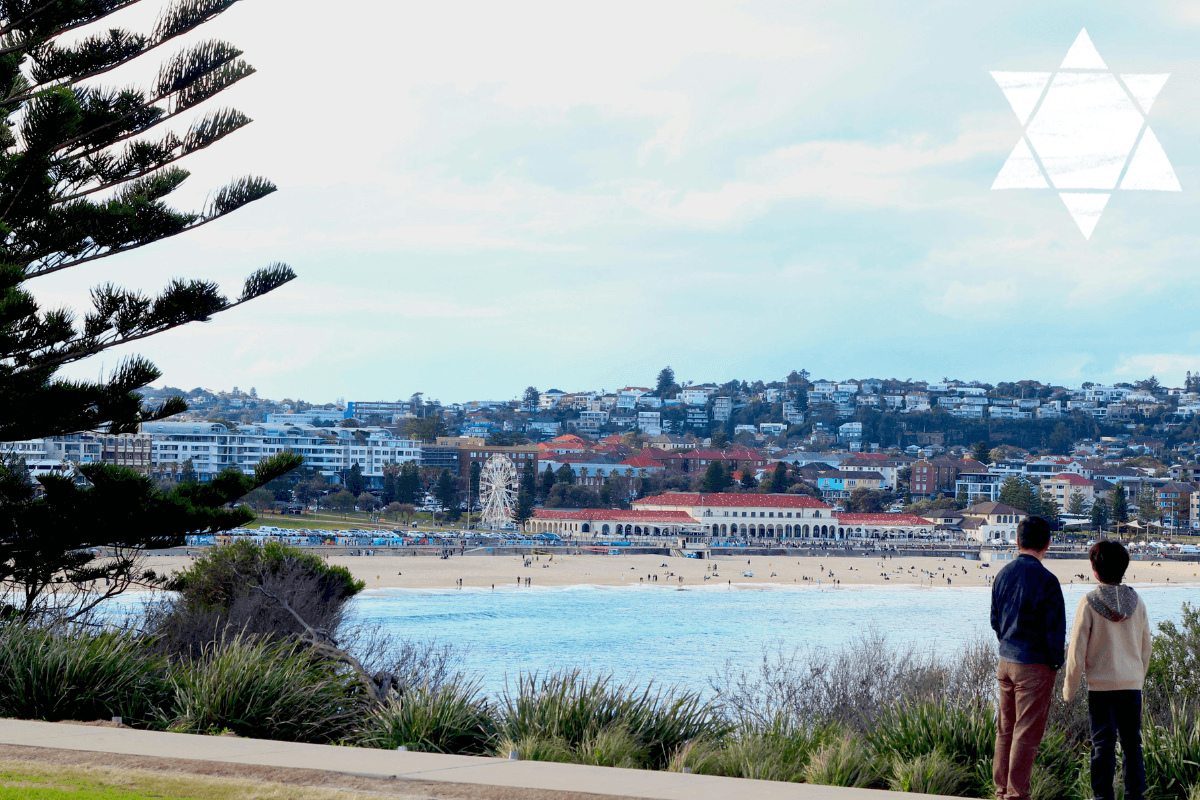
Barely six weeks ago, 15 Jews were murdered at Bondi Beach while celebrating Chanukah. One of Australia's most recognisable natural spaces, beloved to Sydney's Jewish community for generations, was marred by violence against our people.
It's left a lot of us feeling disconnected from nature and too connected to everything else. Disconnected from cicadas in the trees or dappled sunlight through leaves. Too connected to our phones, to doom scrolling, to the sense that we aren't safe.
Trees have been filtering our air and offering shade while we spiral. Maybe that's what we need right now. To just exist somewhere without refreshing the news.
Tu B'Shvat (literally, the 15th day of the Jewish month of Shvat) falls on February 12, 2026 in the Gregorian calendar. It's the Jewish New Year for Trees, and it's the perfect chance to reconnect with nature after Bondi. Here's how.
About Tu B'Shvat
In Kabbalistic tradition, Tu B'Shvat takes on mystical dimensions. The idea is that certain fruits, specifically those native to Israel, carry divine energy. When you eat them with intention, you're participating in something larger than just having a snack.
This comes from medieval Jewish mystics who saw nature as fundamentally holy. Rabbi Isaac Luria's students developed rituals around eating these fruits as a way to engage with the divine. Whether that resonates with you spiritually or sounds completely wild, the practice of being intentional about what we eat and where it comes from has value.
The seven species are wheat, barley, grapes, figs, pomegranates, olives, and dates. They're what the Torah singles out when describing the land of Israel. Jews have been eating them for thousands of years, through exile and return and everything in between.