Published: 10 March 2023
Last updated: 5 March 2024
The coming four weeks, between Purim and Pesach, will be crucial to the outcome of the civil crisis. ANSHEL PFEFFER considers the possible developments.
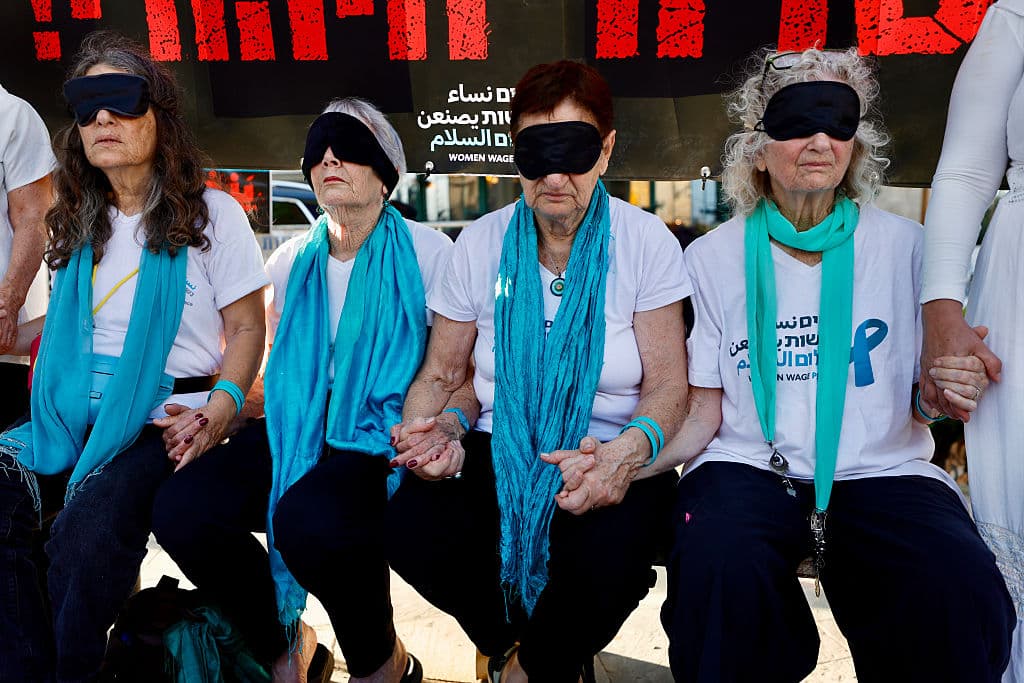
The governing coalition intends to get the first round of laws to overhaul the judiciary passed in the next month. The protest groups aim to mobilise hundreds of thousands and bring the country to a standstill.
What could happen?
The bulldozer makes it through: With 64 out of 120 Knesset votes in the coalition, if Netanyahu pushes on the legislation will pass.
President Herzog gets everyone around a table: Unlikely. Even if the two sides somehow agree to talk, there still doesn’t seem to be room for agreement on the core issues.
Netanyahu presses pause: It doesn’t look like his partners will allow this. Justice Minister Yariv Levin has reportedly threatened to resign if there is any prevarication, and all his coalition partners are keen to press through.
Legal bombshells: The Supreme Court will probably rule against the laws designed to take away its powers. There is no handbook for such a situation. If the coalition flouts the court's rulings, the politicians are risking a situation where the civil service and security establishment, which acts on the advice of the attorney-general, may refuse to obey the government. In other words, complete anarchy.
Economic meltdown: A fire sale of government bonds and the shekel could be very near, which could precipitate a Liz Truss style crisis.
Security crisis: Nearly all the reservists who have joined the protest have said that if they're needed in a real emergency, they'll be there. But what if such an emergency occurs and the government refuses to at least suspend its legislation for the duration? Won't such a cynical ploy break the reservists' trust in the government once and for all? Can Netanyahu take that risk?