Published: 4 March 2022
Last updated: 4 March 2024
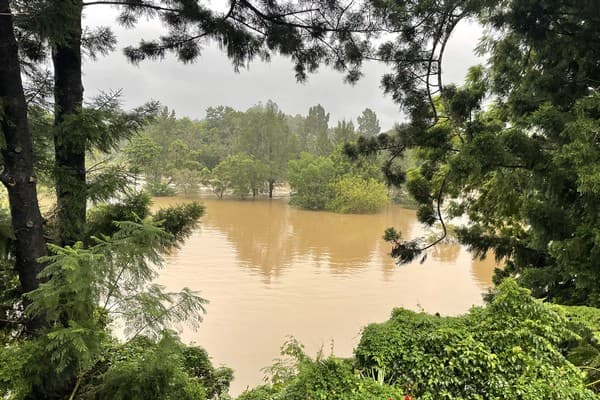
SHARON OFFENBERGER: Rather than being glued to ‘special coverage’ on Israeli media, I am now glued to the local ‘flood cam’, for updates on my third flood within a year
WHEN WE LIVED in Jaffa, I learned very quickly the difference between the sound of fireworks and the sound of gunshots. Both would ring out from time to time, fireworks for weddings, gun shots for revenge.
In regional NSW I am learning the difference between regular rains and flood rains, regular floods and REAL floods. Like knowing the difference between a limited two-day barrage of rockets and outright war, you develop a sense.
Rather than being glued to panels of “special news coverage” on Israeli media channels, I am now glued to the local “flood cam” watching the river and home insurance premiums rising by the minute.
With the kids off from school, I show them on a map of Ukraine where their grandfather was born. We switch between looking at photos of Ukrainians fleeing with their pets, only to end up looking at news coverage of people in Lismore doing the same.
Living in a flood zone can feel like living in a war zone.
This is already my third flood in Bellingen, so I am seasoned. But I have also only lived here for a year – three floods is a bit tiring. At least the wars in Israel were spread out.
Like in a war zone, WhatsApp and Facebook groups in regional communities are the fastest and most reliable sources of information about which roads are impassable, who might need help and where the power is out.
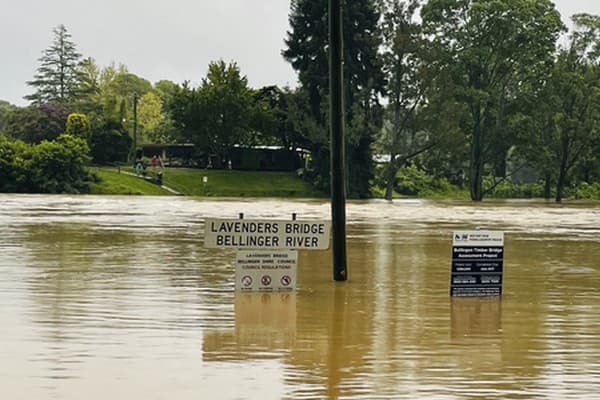
Further north, they have been harder hit and I read pleas from people stranded on their roofs, neighbours calling for help, people offering dry beds to sleep in. The SES, like the IDF, become national heroes. Someone is crowdsourcing warm food for them, as well as clothes and blankets for evacuees because people band together here in a crisis. Here in regional Australia, not just Israel.