Published: 23 October 2026
Last updated: 23 October 2026
According to the Global Gender Gap Index, published by the World Economic Forum, Israel ranks 104 out of 148 countries in the category of political empowerment.
The low status of women in Israel could have serious consequences of Israeli society, including political stability, economic growth, national security. Yet an analysis by the Israel Democracy Institute (IDI), an independent Jerusalem-based think tank, published in February 2026, found that in the current election campaign, most parties have not made commitment to gender equality a part of their platform. Moreover, with the exception of a few women’s organizations, gender equality just isn’t an issue in this campaign.
Inside the Knesset
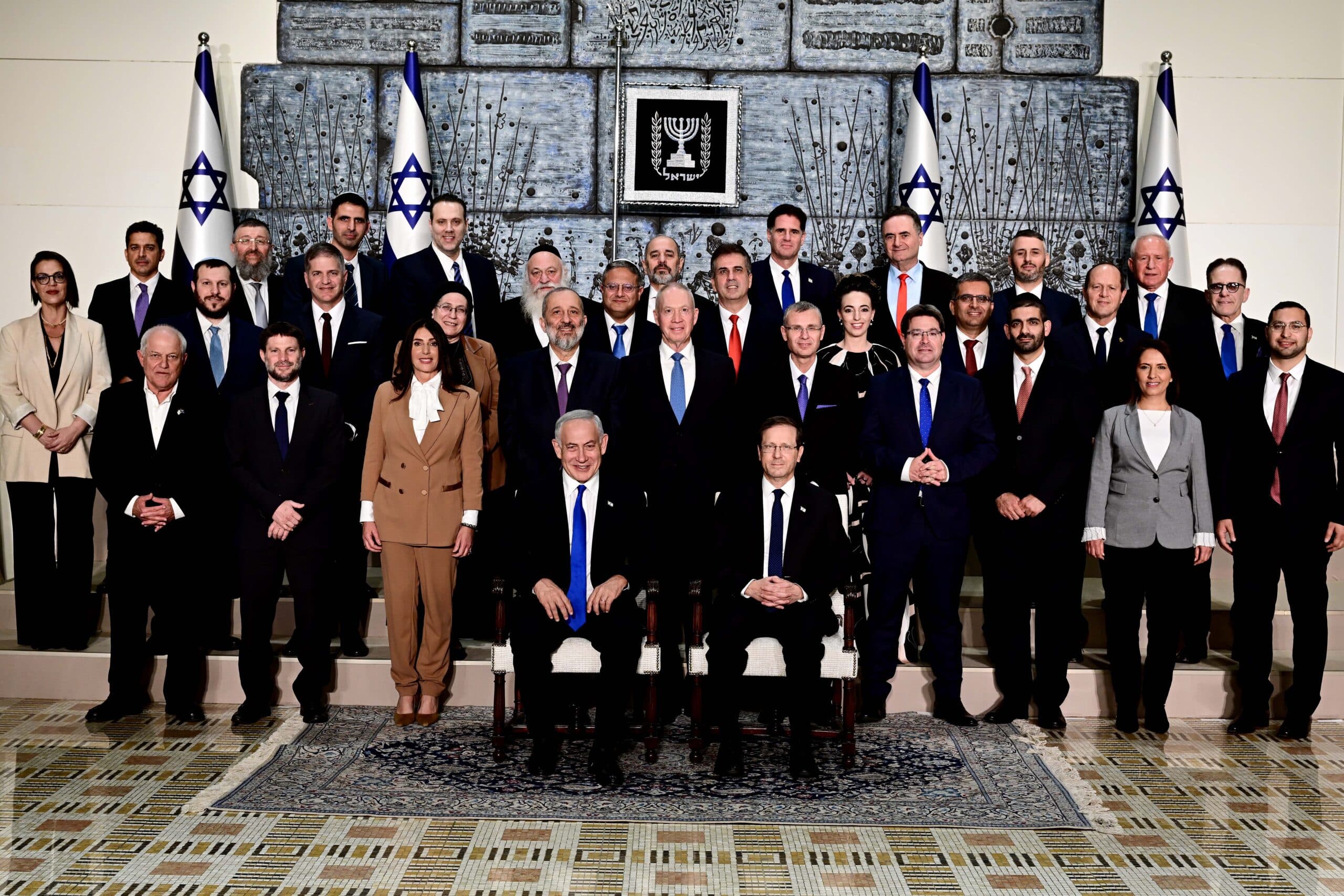
Low numbers of women in parliament has been a problem since the inception of the state, usually attributed to the ongoing security situation. But under Israel’s current, outgoing government, women have lost political power, gender segregation has expanded and women have been increasingly erased from public sphere.
That that downward slide began as soon as the government took power in January 2023, well-before the catastrophe of October 7 and subsequent wars.
Only 31 of Israel’s 120 outgoing Knesset members were women—approximately 26 percent, just below the global average of 27.5 percent. Only five of the 24 cabinet posts were held by women.
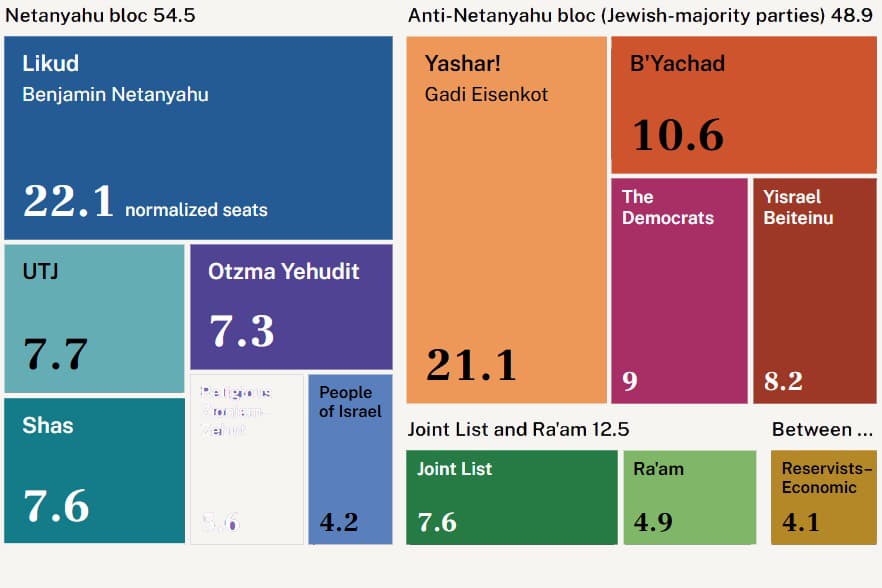
If the Likud and far-right parties form the next coalition, their combined factions are expected to bring 7 women. If the current opposition forms the next coalition, the number of women could reach 24. In the best case scenario, arecord-breaking of 35 women could gain parliamentary seats, according to surveys by the Times of Israel.