Published: 11 January 2019
Last updated: 4 March 2024
FROM THE EARLY 1960s on, David Goldblatt documented the people and places, industry and landscape of South Africa under Apartheid, and after 1991, its dismantling and legacy.
His extraordinary body of work, currently on show at the Museum of Contemporary Art in Sydney, confronts the viewer with its unwavering outrage at South African society under its political system of segregation and discrimination.
Goldblatt was the grandson of Lithuanian-Jewish migrants, who left Europe for South Africa in the 1890s to escape religious persecution and carries the family memory of injustice into his work.
In addition to documenting the racial segregation of society, always in black and white, Goldblatt’s work is distinctive for its focus on the mundane privations of life for blacks and the ripple effects of the white minority rule.
Here is just a sample:
[gallery columns="1" size="large" ids="25288"]
Going to work: 2.45am the first bus of the day from KwaNdebele to Pretoria (1984), captures the erosion of normal life endured by black people who were forced to work in the mines.
[gallery columns="1" size="large" ids="25282"]
Mother and child in their home, after the destruction of its shelter by officials of the Western Cape Development Board in Capetown (1984), is a poignant condemnation of the indifference of white officialdom to black lives.
[gallery columns="1" size="large" ids="25283"]
Luke Kgatitsoe in his bulldozed house (1984), after the forced removal of the people of Magopa, which had been declared a “black spot”.
[gallery columns="1" size="large" ids="25284"]
Racially segregated beach areas on the Western Cape, 1983
After the end of Apartheid, Goldblatt decided it was appropriate to shoot in colour. Kevin Kagwale’s roadside barber in Cape Town in the time of AIDS (2007), bears witness to the new scourge of AIDS that tore through the black population.
[gallery columns="1" size="large" ids="25285"]
This retrospective is both riveting for the insight into South African society and sickening for the conditions imposed on black people.
However, Goldblatt demonstrated his interest and compassion for all people: the section titled Ex-Offenders features a series of interviews and photos of convicted criminals, black and white, that contain some of the most harrowing personal stories this writer has ever read.
Together with the images of life in Johannesburg, the township, the lives of whites, and a section on asbestos mines in South Africa and Wittenoom in Western Australia, where Goldblatt was invited to visit and photograph, this exhibition will live long in the memory of anyone who sees it.
David Goldblatt: Photographs 1948–2018, runs until March 3 at the Museum of Contemporary Art in Sydney
www.mca.com.au
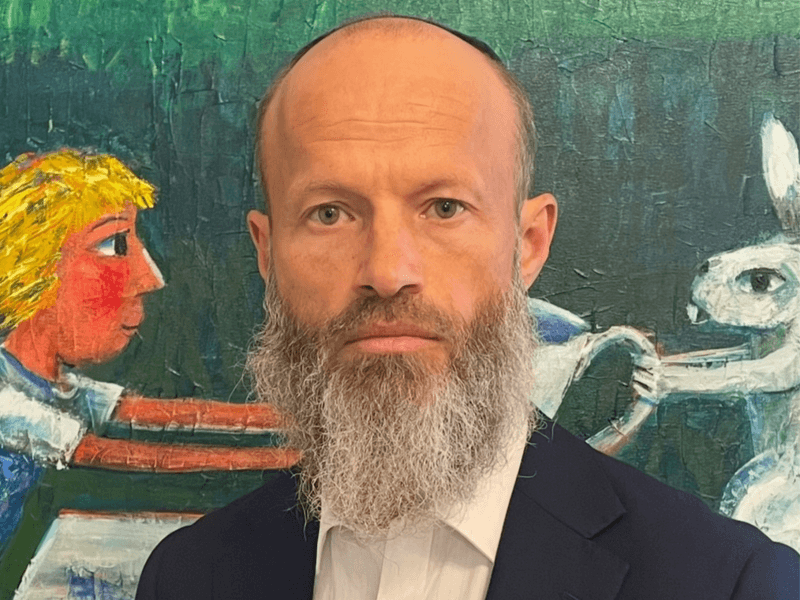
Main photo: Fifteen-year-old Lawrence Matjee after his assault and detention by the Security Police, Khotso House, de Villiers Street, Soweto, Johannesburg, 1985