Published: 25 August 2023
Last updated: 5 March 2024
Fifty-five years after the Soviet occupation of Czechoslovakia, JANA VYTRHLIK finds surprising pleasure speaking Russian.
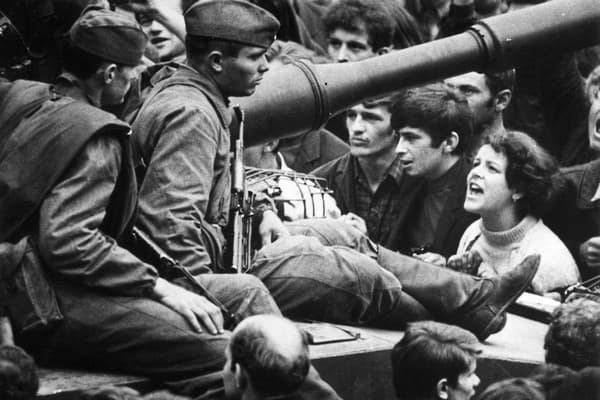
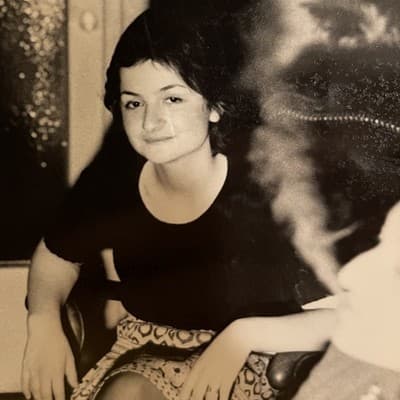
I was 16 when the Soviet tanks rolled into Prague on August 21, 1968, the city where I was born and had lived all my life. By then, beside my native Czech, I was fluent in the Russian language and hated it. Now, living in Sydney for over 35 years, I can’t get enough of my Jewish friends’ Russian accents.
Last week, a visit to the Paddington markets in Sydney’s eastern suburbs brought back feelings I had thought I had to laid to rest a long time ago. To begin with, I stopped at a stall and chatted with a young artist making colourful tapestries. She had a slight, yet distinct, and to me, familiar accent. An accent that still sounds alarms and puts my mind on guard.
Within days of the Warsaw Pact army occupying Czechoslovakia, my two best friends in high school left the country. One to Israel and one to West Germany. The decision was made instantly for them, their parents taking no chances that the borders might be closed any day. There was no goodbye, no last phone call. Just a silence of long summer evenings, broken by the sound of random gunfire reverberating through the streets of Prague.
The beautiful city was tested once again. The old Czech people said, “Eight has always been our unlucky number”. German occupation in 1938, Communist takeover in 1948 and now, in 1968, it was my generation’s time to endure the crushing of the short-lived optimism of the "Prague Spring".
At last, our common knowledge of Russian language came in handy as large posters with slogans in azbuka (the Cyrillic alphabet) appeared overnight all over towns and villages. “Go Home!” and “Moscow is your place!” The braver ones among us practised conversational skills, only to bring many of the bewildered Red Army troops to tears. Some were barely older than us and had no idea where they were, and why they were not welcome. But our school language skills and the nation’s passive resistance were not enough to turn them back.