Published: 21 July 2026
Last updated: 21 July 2026
“1933, my name on the credits in Hollywood. Nine years later, my name on a list in Oswiecem.”
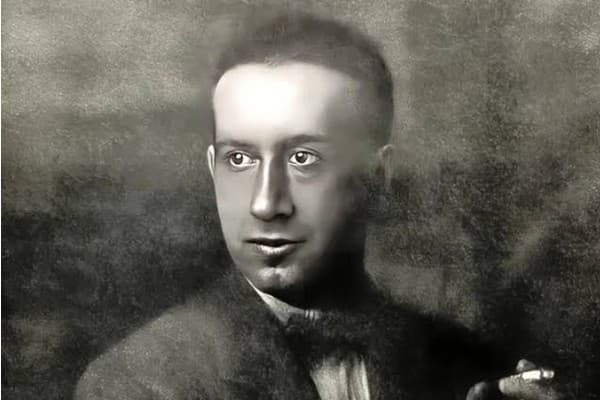
The story of Heinz Lewin, when I was growing up, was of a relatively famous German composer who was in Los Angeles writing film scores just as Hitler and the Nazis were gaining power back home.
Call it arrogant, call it foolhardy, call it blasé, whatever the reason, he shrugged off the risk and returned to Europe to take part in a tournament at his snooker club – a decision that ultimately led to the gas chambers of Auschwitz.
This alone would have made for a great script and, indeed, it’s one I started writing in the early 2000s.
However, years of research by my mother, Heinz’s granddaughter, revealed that the snooker story was, in all probability, apocryphal.
The truth, though, was no less fascinating or dramatic. And it forms the basis of Morgen Wieder Lustik, a play I’ve written and am set to perform for the first time in Melbourne this weekend.
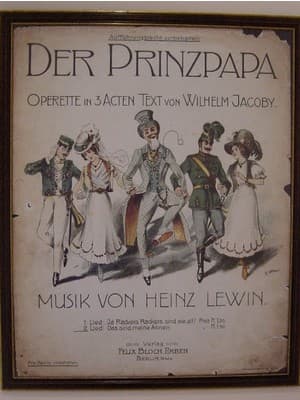
The name, which roughly translates as Tomorrow Will Be Cheerful Again, is the same name as one of Heinz’s hugely popular operettas, this one was first staged in 1910.
The advent of moving pictures saw him also writing for the silver screen, his music and songs featuring in several classics of the thriving Weimar cinema scene.
Many of his melodies feature in the show. Sadly, I haven’t inherited his talent, so it won’t be me playing them. However, I’m both honoured and delighted that my portrayal of Heinz is complemented with piano accompaniment from the legendary Tomi Kalinski.