Published: 13 April 2026
Last updated: 15 April 2026
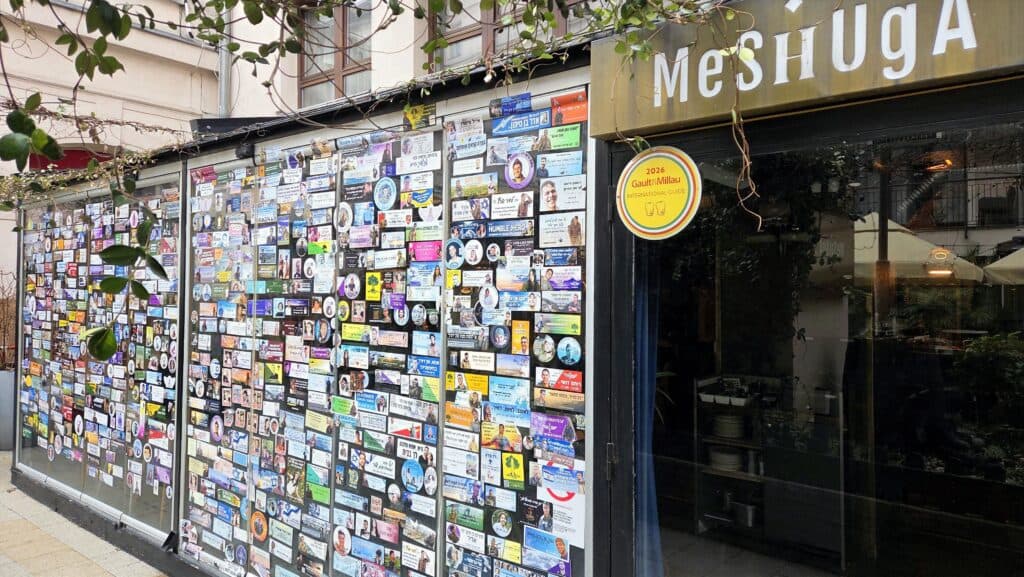
Budapest may be the only European capital city you can walk through without seeing any anti-Israel graffiti. There are no furious demonstrators waving Palestinian flags and chanting "From the river to the sea" and no worries about possible harassment on the streets or at university campuses.
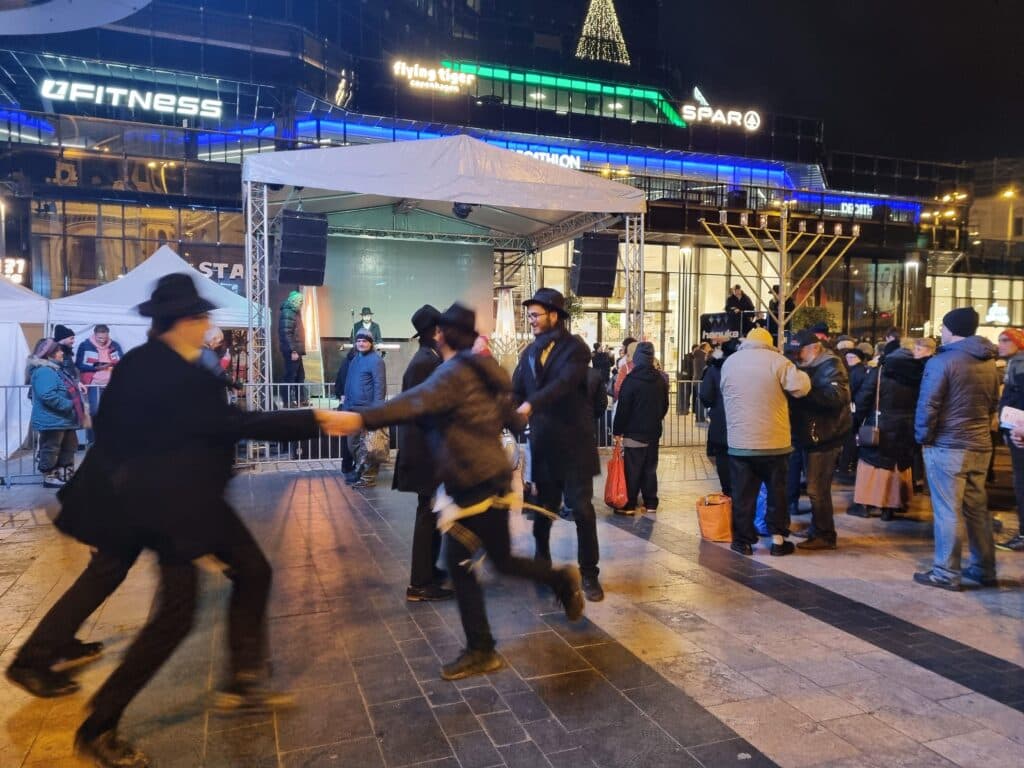
Nobody cares if you wear a kippah or tzitzit. No one cares if you speak Hebrew in public. There is little to no police presence around Jewish establishments.
The current situation is in marked contrast to Hungary’s past. During the Shoah, approximately 600,000 Hungarian Jews were murdered. Adolf Eichmann, the mastermind behind the Holocaust, was stunned by how efficiently his Hungarian collaborators rounded up Jews, loaded them onto cattle-cars, and sent them to death camps. After the war, the communist regime discriminated against religions, seized the property of the Jewish community, and pursued an anti-Israel policy.
Since the collapse of communism in 1989, successive governments have normalised dealings with the Jewish community. They have compensated the community, ensured complete religious freedom, and restored relations with Israel.
The Jewish community, numbering around 100,000, is flourishing. Jewish organisations have mushroomed and play a vital role in creating an environment where people can easily reconnect with their roots. The role Jews have played in the country's arts, economy and science are reflected in the national curriculum.
After Thailand, Hungary has become the most popular destination for Israelis. According to the National Tourism Agency, last year Israelis spent more than one million nights in the country. Up to four flights a day arrive from Tel Aviv to Budapest.