Aa
  • Read, Watch, Listen
  • TJI Series
  • Community Action
  • Events
  • Zedi
Follow us and continue the conversation
  • LinkedIn
  • Instagram
  • FaceBook
  • X
  • YouTube
Test yourself with the TJI Quiz!

Adjust size of text

Aa

Follow us and continue the conversation

  • LinkedIn
  • Instagram
  • FaceBook
  • X
  • YouTube

Your saved articles

You haven't saved any articles

What are you looking for?

Original reporting, insightful analysis and diverse views, delivered straight to your inbox

  • LinkedIn
  • Instagram
  • FaceBook
  • X
  • YouTube
Your support fuels our mission to inform, entertain and inspire.

The Jewish Independent is bound by the Standards of Practice of the Australian Press Council. If you believe the Standards may have been breached, you may approach The Jewish Independent or make a complaint to the Australian Press Council in writing at www.presscouncil.org.au. The Council may also be contacted on 1800 025 712.

  • Our Story
  • Contact us
  • Our Team
  • Support us
  • Guidelines
  • Pitch your idea
  • Republishing us
  • Community Action
  • Our Awards
  • LinkedIn
  • Instagram
  • FaceBook
  • X
  • YouTube
Aboriginal FlagTorres Strait Islanders Flag

The Jewish Independent acknowledges Aboriginal and Torres Strait Islander peoples as the Traditional Owners and Custodians of Country throughout Australia. We pay our respects to Elders past and present, and strive to honour their rich history of storytelling in our work and mission.

© The Jewish Independent 2026All Rights Reserved
Website design and development by Your Creative, MelbourneTerms & ConditionsPrivacy Policy
HomeRead, Watch, ListenAustralia
OpinionAustraliaIsrael

Why we are holding a Palestine Solidarity Sukkot fundraiser

Our Palestine Solidarity Sukkot is a genuine response to a tradition that welcomes all peoples and understands 'never again' applies to everyone.
Tahlia Bowen, Rommy Weisler & Rebecca Parker
Print this
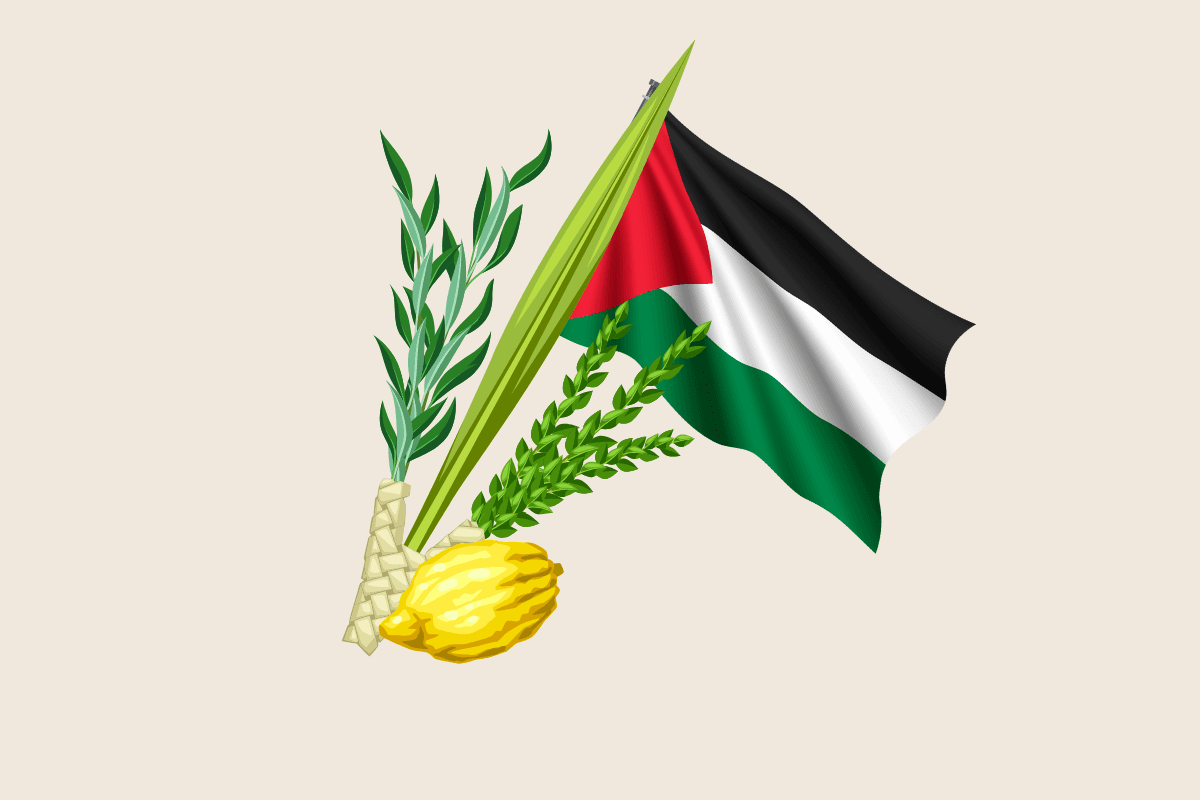
A lulav and etrog with a Palestinian flag (TJI)

A lulav and etrog with a Palestinian flag (TJI)

Published: 8 October 2025

Last updated: 8 October 2025

This article is a response to A Palestinian Solidarity Sukkot needs to invite Israelis by Hannah Moshinsky.

This week marks Sukkot. During Sukkot, Jewish people are reminded that our ancestors once wandered as freed slaves and refugees, living in temporary shelters. We are taught that our neighbours did not always welcome our ancestors, but despite that, it’s a mitzvah—a good deed—for us to open our sukkahs (huts) to strangers and share shelter, food and connection. A fundamental Jewish teaching.

We belong to  a grassroots collective of Jewish individuals drawing on the Sukkot story to raise funds for PARA (Palestine Australia Relief and Action) and ActionAid Australia’s Gaza Appeal. On Sunday October 12, we will gather in Naarm (Melbourne) not only to wave the lulav and etrog, but also for a meal, speeches and collective reflection on the impacts of displacement, both past and present. We have called our fundraiser a Palestine Solidarity Sukkot.

As Jewish people who vocally oppose Israel’s genocide in Gaza at a time during which most of our communal institutions have shown Israel’s military actions unconditional support, we have grown accustomed to community ostracisation. So it came as no surprise to read criticism of our fundraiser in The Jewish Independent last week.

All are welcome

Our detractor claims that, because the invitation to the event does not specifically mention them, our fundraiser excludes Israelis. That couldn’t be further from the truth. Everyone is invited regardless of their ethnicity, nationality, religion, skin colour, gender, sexuality or ability. Anyone who wants to show solidarity to the Palestinian people is welcome at our table, to share our food and our sukkah.
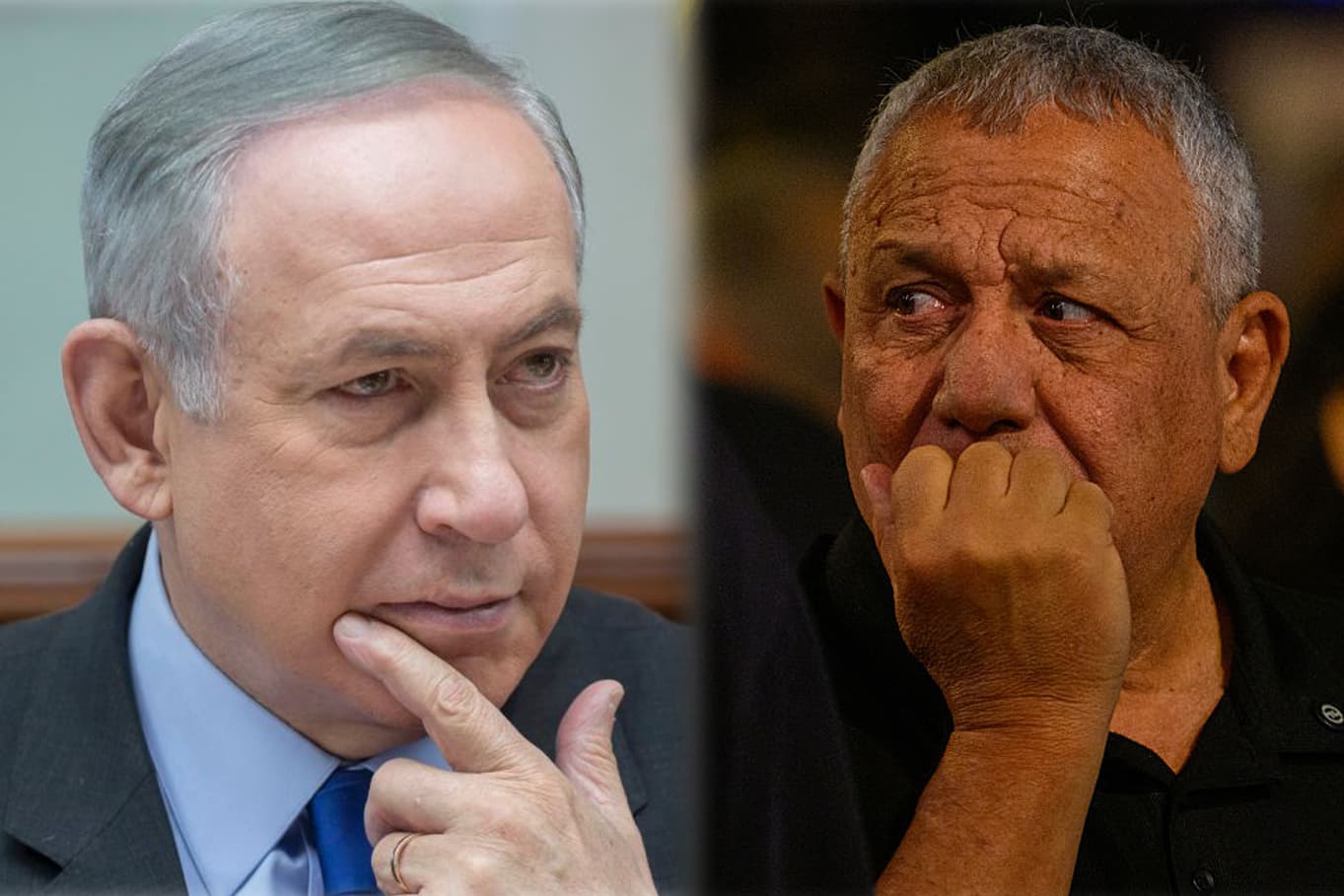
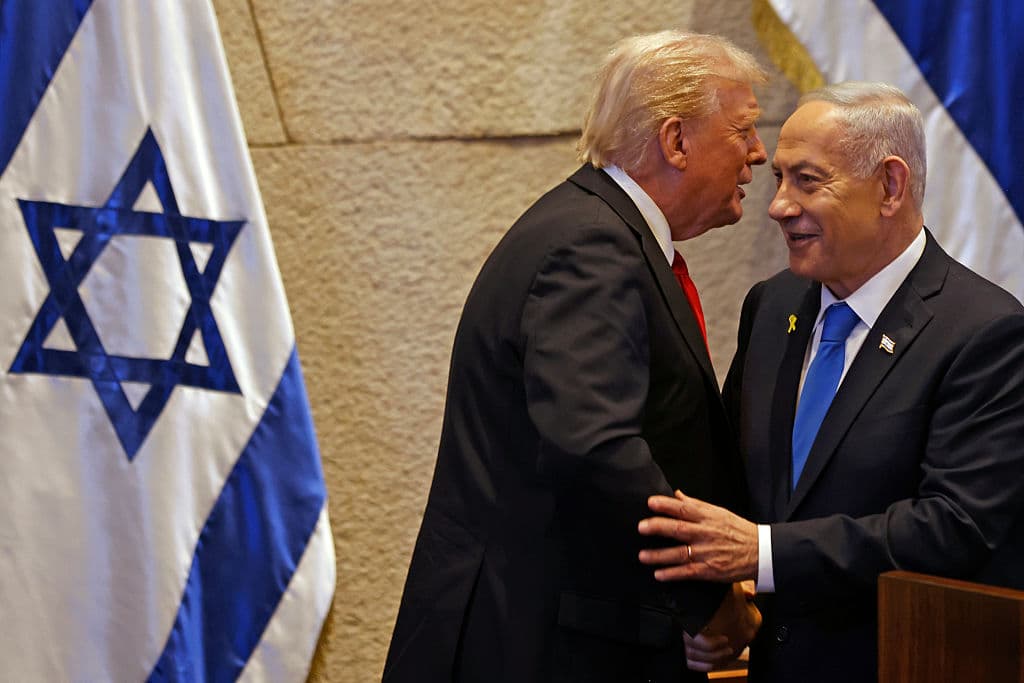
In fact, several Israelis plan to attend. One will attend as a “Jew and Israeli”, because “our religious and historical-cultural traditions require us to speak out against Israel’s violations of human rights and international law”.

Another is Nachshon, who grew up in Israel as a Zionist and served as an officer in the IDF. He will join us in “solidarity with First Nations people, both of Australia and Palestine, during a time in which a genocide is being perpetrated by Israel with the aim of erasing Palestinian existence”.

Why a Palestine Solidarity Sukkot?

Many of the organisers are the children or grandchildren of Holocaust survivors. Our families endured a genocide from within the concentration camps of Auschwitz, Dachau, Mauthausen and Theresienstadt. As they reared us, our parents instilled within us a heartbreaking plea: “never again”.

Today, with more than 85% of the Gazan population displaced and food security dire as a direct result of Israeli occupation, blockade and shelling, we have cause to repeat this plea. “Never again” must apply for all peoples.

One group’s safety and liberation is not guaranteed until all are safe and liberated

Sukkot customarily calls for feast and celebration. But in 5786, we feel that the only way to remain true to the tradition of Sukkot is to stand in solidarity with Palestinian, First Peoples and allied communities in so-called Australia.

A place for the diaspora

Our detractor suggests that people committed to change should “host a sukkah… and unite the Jewish and Arab neighbourhoods" in Israel. But the idea that Sukkot events must be centred on Israel misrepresents the Sukkot story.

A sukkah is an impermanent structure. Tradition calls us to share refuge and hospitality in sukkahs wherever we find ourselves (the Mishnah Torah rules sukkahs on even wagons and boats kosher), and for us as Jewish Melburnians, that is on the stolen lands of the Wurundjeri Woi Wurrung and Boon Wurrung peoples.

Contemporary Jewish life has become centred on the State of Israel. Take the word aliyah, for example, which translates to ‘ascent’. While this once described a religious pilgrimage to the city of Jerusalem (see aliyah la’regel), in today’s context aliyah has come to mean Jewish immigration to Israel as a state, and it is represented within many Jewish communities as the highest form of cultural fulfillment. So, it’s unsurprising that we now see many Jewish people internalising and perpetuating the notion that a Jewish life in the diaspora is inauthentic or lesser. After all, we are yet to ascend. Perhaps worse, Jews who emigrate from Israel to other countries are said to descend.

This might explain why our detractor suggests that Judaism is merely a coat we wear. But between us are decades of commitment to Jewish life: involvement in Jewish schools; synagogues and congregations; youth movements; non-profits and community organisations; publications; and social and political movements. Judaism is not an accessory to us—it is who we are.

Often, the conflation of Judaism with the modern day State of Israel flattens Jewish pluralism. This erases legitimate Jewish movements like Bundism, which embraces the concept of Doikayt (hereness)—the idea that Jewish people can build meaningful Jewish life here, anchored in the diasporic communities in which we live. Contemporary groups such as IfNotNow, Jewish Voice for Peace, Na’amod and the Jewish Council of Australia draw from this tradition.

Though we too are committed to our lives in the Diaspora, we take issue with the idea that Diaspora Jews are not permitted to comment on Israeli society and its military operations unless they speak Hebrew. By our detractor’s argument, only people who speak Arabic could comment on the societies and military operations of any of Israel’s closest neighbours. We doubt that is what they intended to suggest. Insofar as the Israeli Prime Minister claims to represent all Jewry and ownership of Israel is thrust upon us by our communal institutions, we are certainly allowed to comment. Would the same idea apply for diaspora Jewry who actively support and aid Israel’s military operations?

While our detractor infers that Jewish life in the diaspora is dependent on memory, our Palestine Solidarity Sukkot is proof that it isn’t. We are building new Jewish institutions and shaping Jewish life that is vibrant, defiant and our own. One unafraid to grow in new directions, but always rooted in tradition, community and the shared act of tikkun olam (repairing the world).

We will be observing Sukkot with Palestinian, First Nations, multicultural communities and white allies alike. The only path forward is one that unites us all—one group’s safety and liberation is not guaranteed until all are safe and liberated.

You might also like
  • British Greens equate Zionism with racism
    Ruth Eglash
  • Diaspora Jews can’t vote, but Israel’s election result will affect them
    Vanina Vaisman-Levy
  • One year after the ceasefire, Gaza remains in ruins with no solution in sight
    Shahar Burla
logomark.67a07ee3
We believe in the free flow of information

Republish our articles for free, online or in print, by using our Creative Commons licence

You might also like

    syd uni globalise the intifada
    NewsAustralia

    Sydney Uni commissions independent review after ‘Globalise the Intifada’ campaign

    Deborah Stone
    Jewish cemetery
    NewsAustralia

    Melbourne Chevra Kadisha implicitly recognises LGBTQ+ families

    Jarod Rhine-Davis 1
    Nadia
    ReflectionAustralia

    Between communities: finding Jewish belonging after migration

    Florencia Tuchin

About the author

Tahlia Bowen, Rommy Weisler & Rebecca Parker

Tahlia Bowen is a Jewish writer of Ashkenazi and Papua New Guinean heritage. She is an active member of the Jewish Council of Australia and the Jewish Greens, and is an Advisor to Victorian MP Tim Read. Rommy Weisler is a Jewish academic. Raised moving internationally, Rommy applies a global and intersectional lens to their work in psychology and education. She is an active member of the Jewish Council of Australia and has volunteered for the Asylum Seeker Resource Centre. Rebecca Parker is an Architectural Designer who spent her early career in New York working on projects in Mexico, Europe and the US. She is a dedicated environmental and social advocate who has volunteered on numerous political campaigns.