Published: 13 May 2026
Last updated: 15 May 2026
It took 15 dead bodies and, even after that, large amounts of public pressure for the Australian government to finally ask the Jewish community not: How are you? But: How are you really?
Or, maybe, this is just my wishful take on the nature of Royal Commission enquiry.
Whatever it is, I felt compelled to respond.
I knew it wouldn’t be easy to relive the last two and a half years where, after two decades of being a part of Australia’s literary world, I found myself ostracised from most of its institutions and many of its members. This happened not only on account of me becoming vocal about the outbreak of antisemitism since October 7, 2023, but also simply on account of my identity – of being Jewish-Israeli-Australian (and Russian too, although Putin’s crimes against humanity notwithstanding, this part of me never concerned my literary peers). I knew it wouldn’t be easy and still I wasn’t prepared for the emotional tsunami that writing my submission unleashed.
My usual way of coping is not dwelling on all that I’ve recently lost – a sense of belonging and safety in literary spaces, my reputation (following the infamous mass doxxing of Jewish people from a support WhatsApp group I founded), respect for various literary figures I used to esteem, paid work. However, as I embarked on the writing, these losses began to haunt my study, hanging in the shadowy spaces between bookshelves, and even my dreams.
Grief I expected. But then I also developed shame at my “litany of complaints”.
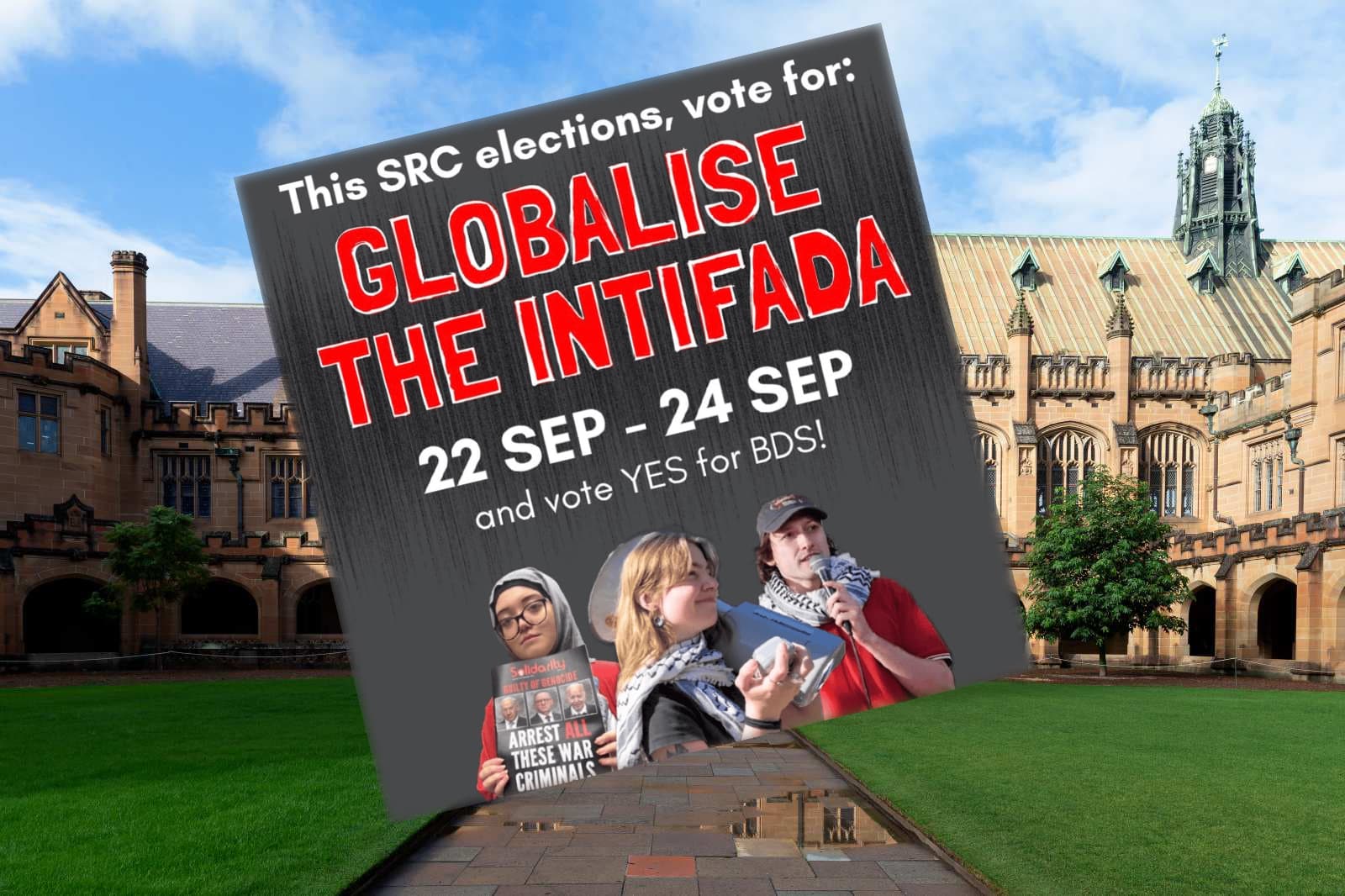
It’ll take too much space to recount all the abuse I’ve experienced online, so I’ll just provide several notable examples, like when a large anti-Zionist group made an Instagram post that contained defamatory information about me ...