Published: 29 September 2025
Last updated: 29 September 2025
There’s an adage that our parents spoil the first part of our lives, our children the second. It is funny because it rings true: one of the most enduring and challenging of life’s relationships is surely that of parents and children.
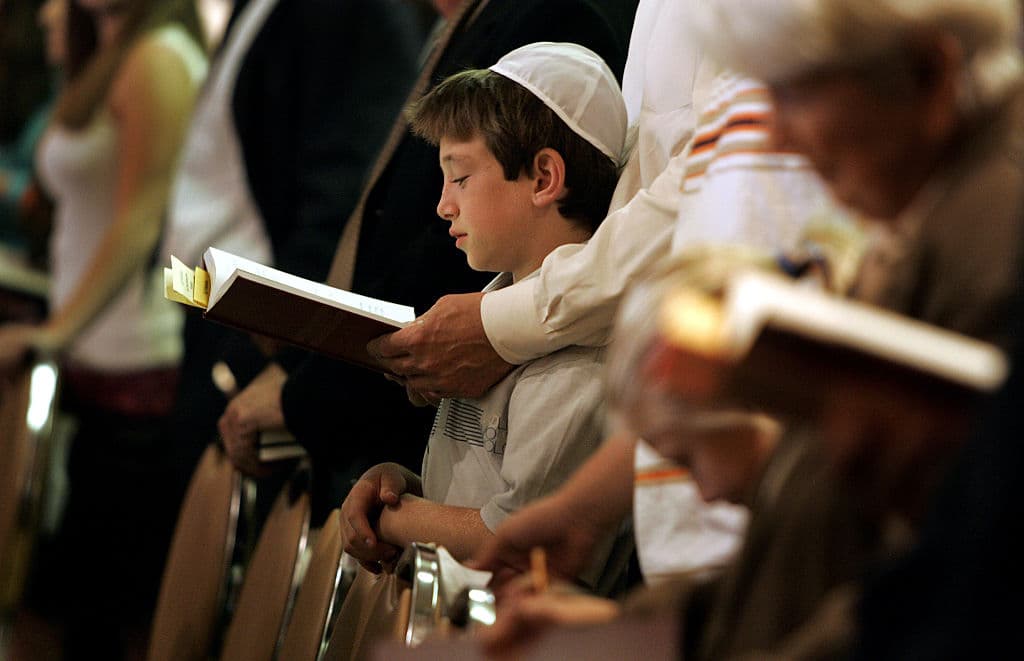
Our parents give us the gift of life and that’s why, in Judaism, at their deaths, we take a year out of our lives to remember and celebrate them. Like all gifts, this one doesn’t come without a price. There are no perfect people and there are no perfect parents.
I like to think that most parents only want the best for their kids, that they’re only really deeply happy if their children are doing okay.
But stories of children and parents unhappy with one another are as plentiful as autumn leaves. Long before the great novelist Tolstoy described unhappy families as "each unhappy in their own way", the Torah recorded how tenuous the relationship is between parent and child. The book of Genesis, and in particular the story of Jacob, is a classic text on the subject.
In a contemporary context, many therapists would be out of business if they didn’t have to work through family relationships with their clients!
So many of us go through life wounded and many attribute this to the way their parents treated them. At Yom Kippur, when we are called upon to forgive those who have hurt us in the past year and to let go of the grudges we may carry for past hurts, forgiving our parents is a particular challenge.
There has been a shift in our Western family values which fuels the contemporary difficulties and sometimes serious estrangement between parents and their children. Expectations of the relationship have increased and the potential for misunderstanding and resentment have grown accordingly.