Published: 25 March 2026
Last updated: 25 March 2026
Oppositional Defiant Disorder (ODD) is a childhood behavioural condition characterised by a persistent pattern of anger, irritability, and defiance towards adults and authority figures. Common symptoms include tantrums, arguing, refusal to follow rules, and deliberately annoying others.
JODD is surely a Jewish oppositional defiance disorder characterised by defiance towards authoritarian and totalitarian figures who insist on telling us what is best for us as Jews. This is demonstrated throughout Jewish history, beginning with Abraham – the very first Jew – who defied the idolatrous ethos of his time, confronted his father, contended with Nimrod, the autocratic ruler of his time, and even challenged God over the fate of Sodom and Gomorrah. It is manifest in his bolshie descendants.
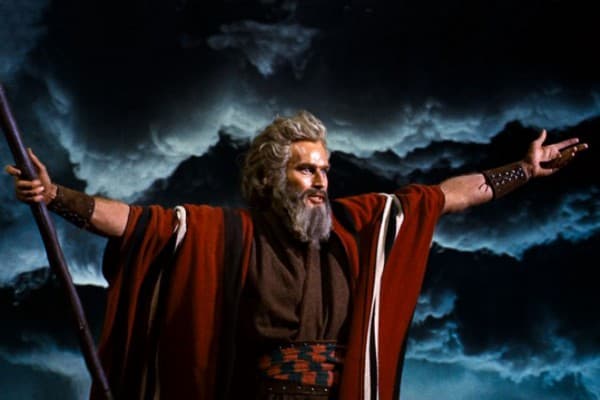
It reaches a crescendo in the fabulous and fabled story of Passover and the Exodus. Moses is courageously defiant against the most powerful global leader of his time, his own foster grandfather, pharaoh. Pharaoh probably saw him as a defiant, irritating child – at first, he doesn’t even take him seriously, cavalierly dismissing his request for freedom and dignity for his people.
Perhaps part of the attraction of the story of Passover and its abiding fascination for the majority of Jews across the world lies in the very chutzpah of Moses. This is something we can readily identify with. It speaks to us of Jewish power in an age of anxiety and abysmal antisemitism. It is what characterises the stupendous defiance of tiny Israel taking on the giant and brutal ogre of autocratic Iran.
What an utter cheek to poke and deliberately annoy the ugly black IRGC bear. The spirit of Moses emboldens us to take on the sanctimonious and often ignorant protesters, the angry doxers and the deplorable Jew haters on social media. It allows us, in New York Times columnist Brett Stephens’s memorable phrase, to champion the “honour of being hated.”
He asserts that while antisemitism may be history’s most demented hatred, it is also the world’s most unwitting compliment; it reminds us of our own gritty resilience and endurance in a cruel world.
This festival and especially its handbook, the Haggadah, brings into our homes enlivening messages of our identity and survivability and a reminder that our strongest weapon is not the idea of power but the power of our ideas. The Seder is about a sumptuous feast but also about a splendid feast of ideas.