Published: 21 April 2023
Last updated: 18 March 2024
Fighting for their own civil rights has made many Israelis more aware of the injustices experienced by Palestinians, writes MICHAEL CHAITOW.
Growing up Jewish in Australia, I was taught that Yom Ha’atzmaut was a day to celebrate the birth of the State of Israel. My education at a Jewish Day School in Sydney focused on Independence Day as a time to rejoice in the strength and security that Israel afforded the Jewish people; a national homeland which would always welcome Jews from all over the world to ensure that the horrors of the Holocaust could never be repeated.
Unfortunately, this representation of 1948 failed to reflect reality for the majority of those living in the land in the years prior to Israel’s birth. That it took so long for me to learn about the Nakba, or the catastrophe, as Palestinians term Independence Day, is a significant shortcoming of my education.
The year 1948 marked a turning point for both the Palestinian and Jewish peoples and this needs appropriate recognition.
As Naomi Chazan has said, “[The time period] between 1948 and 1967 was marked by Palestinian displacement and dispersion on the one hand, and Israeli consolidation and construction on the other.”
Professor Chazan, who will be visiting Sydney and Melbourne in May as a guest of the New Israel Fund Australia, has been explaining why the occupation is “untenable and immoral” for years.
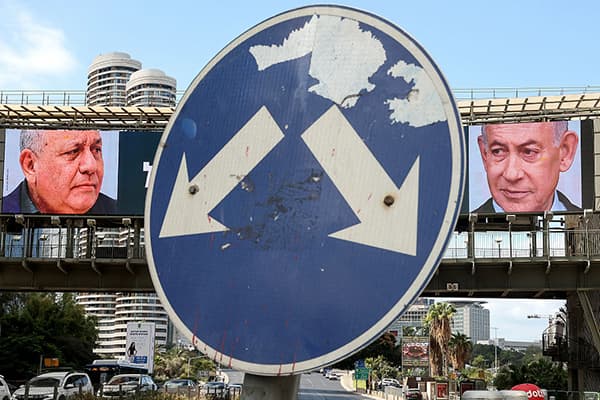
But this understanding is finally beginning to enter mainstream Israeli political consciousness, thanks to the protest movement formed to push back against the Netanyahu government’s far-right political agenda.
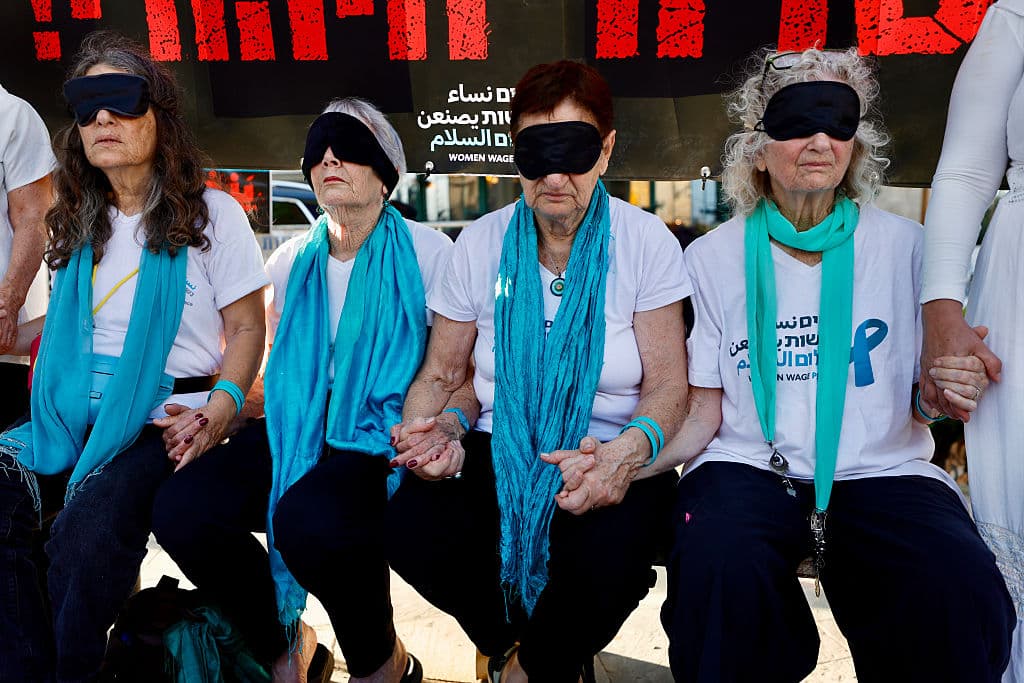
While spurred by defending civil rights for Israeli citizens, these protests also represent a political awakening for many of the participants. Some protesters chanted, “No democracy with occupation”, an unprecedented mainstreaming of the occupation as a civil rights issue.