Published: 13 October 2025
Last updated: 13 October 2025
When I think of my own ushpizin — the guests I’d welcome into my sukkah — I think of Amy Winehouse.
Not because she was Jewish, though she was. Not because she was famous, though she carried fame like a wound. But because she lived — and broke — in public, showing what it means to be fragile, gifted and human all at once.
There was something universal in her imperfection. Beneath the smoky eyeliner and trembling voice was a longing for love and belonging that most of us recognize, even if we hide it better. Amy Winehouse might seem an unlikely guest, but Sukkot is the season of unlikely guests — prophets, wanderers and broken souls who remind us that holiness can dwell in imperfection.
Her voice was a sukkah of its own: open, temporary, exposed to every storm. That same vulnerability is what Sukkot sanctifies — the courage to remain open even when life feels uncertain.
A festival of fragile dwellings resonates in Gaza
I grew up in Gaza, where the idea of shelter can feel like a cruel joke. Nothing there was built to last, yet everything — every grudge, every reason not to trust — endured far too long. When I first learned about Sukkot, the Jewish festival of fragile dwellings, something in me recognized it immediately.
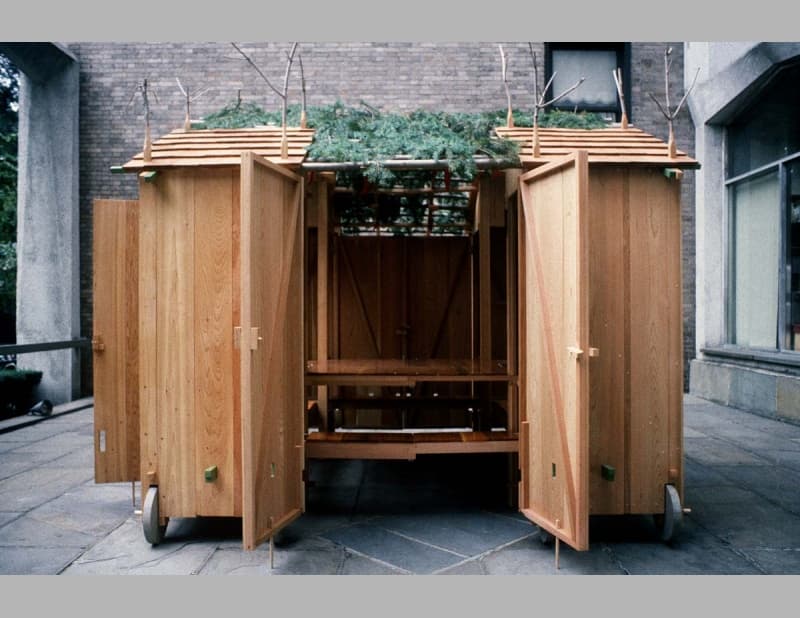
Every Tishrei — or Tishrin, as we say in Arabic — Jewish homes around the world embrace fragility. Branches serve as roofs, fabric makes the walls, and the sky becomes part of the shelter. For seven days, the wind is welcomed in. The sukkah reminds us that nothing we build truly lasts, that even sturdy walls can shake, and that vulnerability itself can hold something sacred. It opens the way for empathy and humility.