Published: 2 May 2022
Last updated: 4 March 2024
PHILIP DALIDAKIS: The power of social media to connect with unengaged young people, the swinging voters who decide elections, is still underestimated by older voters
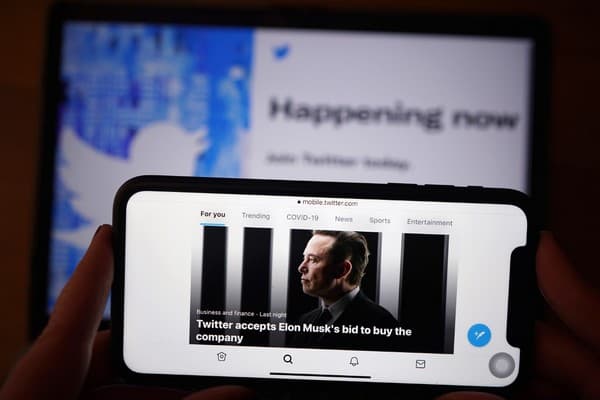
THE MOST STARTLING news of the month has been that Elon Musk, by all accounts the richest man in the world, has been willing to fork out $US44 billion to buy Twitter, a social media platform that did not exist 20 years ago. For that kind of money Musk could have bought the New York Times, or a controlling interest in News Ltd, or a major TV network.
But he didn’t. He bought Twitter, and he was willing to pay literally any price to do so. He did that because he believes that the power of social media is now greater than the power of all the conventional media put together. And he may well be on to something.
For evidence of this, look at the current Australian election campaign. Yes, all the parties are spending a lot of money mailing pamphlets to voters, putting up billboards and garden signs, buying ads in newspapers, and advertising on TV if they can afford it. They are also spending on conventional static websites featuring their candidate’s smiling face.
But all this pales into insignificance compared to the effort they are putting into social media. The “digital spend” is not huge in dollar terms, because buying time and space on social media is relatively cheap. But it is huge in terms of intellectual capital. The parties, and many local candidates in key seats as well, are deploying their best brains on their “socials” and telling them they can spend whatever they want.
They are doing this because social media offers far greater reach than any other communications technology. It also offers far greater data on the voting public in real time than any other previous technology.
Millions of voters no longer buy newspapers, or watch or listen to radio or TV news, except in the most superficial of ways. Millions are cynical about politics, or not interested in politics at all. This is particularly true of people under 35, people with relatively low education levels, and people from non-English speaking backgrounds. And in Australia at any rate, all these people get a vote.