Published: 17 December 2023
Last updated: 5 March 2024
Few knew that Nicholas Winton saved the lives of so many Jewish children during the war - one of them my father. It's hard not to tear up during this film.
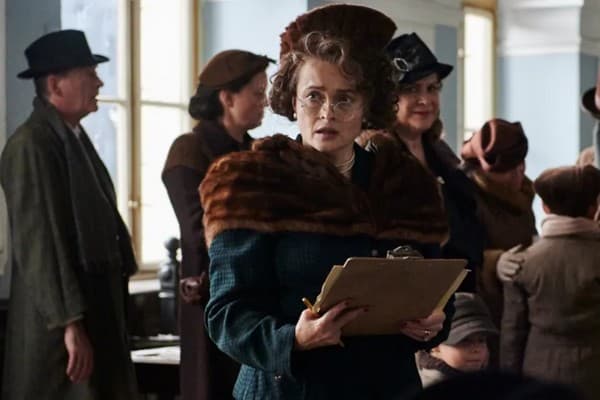
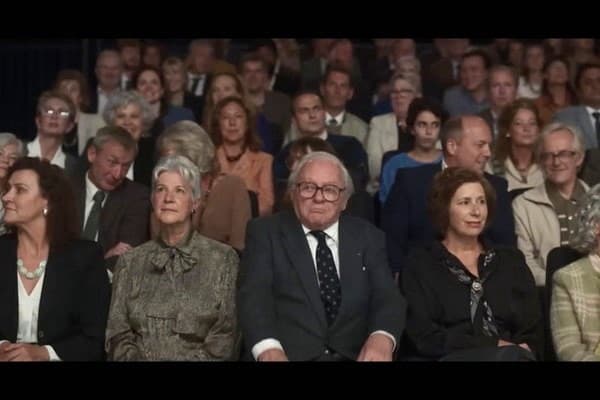
For Oscar-winning producer Emile Sherman, it began when he was filming The King’s Speech in the UK and a member of his team showed him the now famous clip of an unsuspecting Nicholas Winton on the popular entertainment BBC TV show That’s Life, surrounded by many of the now adult children he had brought to the UK by train, saving them from the Nazis in Prague.
You can watch it on YouTube. It’s had more than 41 million views to date. It’s a real tear-jerker moment, no matter how many times you watch it. Sherman recognised its dramatic potential immediately. “We knew we had our ending,” he told the audience at an emotionally-charged preview screening of One Life in Sydney last week.
Among the audience were several descendants of “kindertransport” (children’s transport), the world’s greatest rescue of refugee children, and one remarkable visitor, Alice Hubbers, aged 99. Out to see her family on her annual holiday from the UK, the spry Hubbers left Vienna on December 10, 1938.
With the help of the Red Cross, 10,000 children between the ages of six and 16 were brought to Britain, thanks to special legislation passed by the government of the day. They were allowed one small suitcase each. I was surprised to learn from One Life that in its initial phase, the operation only covered Germany and Austria, Czechoslovakia not being considered at risk. Until Winton, a London stockbroker with German Jewish heritage, came along.
A committed socialist, Winton spent a month in Prague helping friends working with refugees. There he found his calling and began compiling lists of mostly Jewish children whose parents wanted to send them to safety. Back in London he negotiated visas, and appealed for donations to pay the warranty required by the government for each child, while placing stories in the press appealing for foster homes and sponsors. British families, most of them not Jewish, responded with enthusiasm.