Published: 17 July 2025
Last updated: 18 July 2025
For decades, academic thinking has embraced the rhizome as a model for everything from resistance movements to digital networks.
The theory, articulated by Gilles Deleuze and Félix Guattari in A Thousand Plateaus in 1980, serves as a beacon for those seeking non-hierarchical, decentralised, and dynamic modes of thought and organisation.
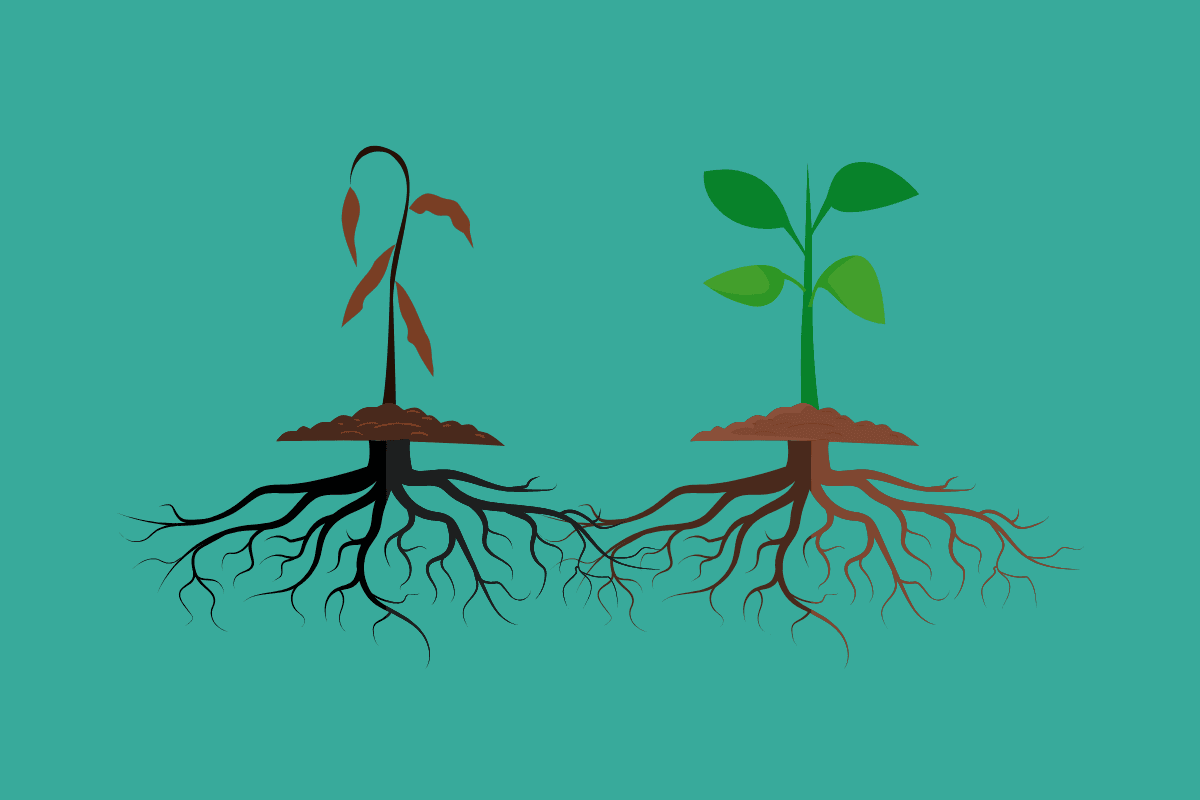
The rhizome is a plant that is simultaneously a root. Think of ginger and bamboo growing unpredictably, resisting central control, and redefining what it means to be connected. In a world governed by rigid structures and entrenched hierarchical power that protects an elite few, the subterranean rhizome seemed like something anarchic, earthy and fertile.
But since October 7, 2023, I have come to realise rhizomatic thought has a long, deep, dark shadow.
A rhizome devotee
I was once a devotee of the rhizome. I wrote about its power to disrupt patriarchal epistemologies, to contest the monocultural narratives imposed by nation-states, and to foster multiplicities in art, politics and identity. Like many in the academic and activist circles I moved in, I embraced the rhizome as a model of emancipation, particularly from human-centric dominion over nature. I was congratulated and even funded for doing so.
The rhizome, I once believed, would save us from the rigidity of unchecked and vile abuses of power.
But that belief began to unravel in the darkest days of Jewish history since the Holocaust. In the echoes of the chants of "where’s/gas/fuck the Jews"; in the infinite screams of survivors; while the blood still soaked into the ground on the kibbutzes; and as I witnessed my now ex-friends, draping themselves in the uniform of Jewish rape and murder enablement – the keffiyeh – the rhizome fantasy started to crack.