Aa
  • Read, Watch, Listen
  • TJI Series
  • Community Action
  • Events
  • Zedi
Follow us and continue the conversation
  • LinkedIn
  • Instagram
  • FaceBook
  • X
  • YouTube
Test yourself with the TJI Quiz!

Adjust size of text

Aa

Follow us and continue the conversation

  • LinkedIn
  • Instagram
  • FaceBook
  • X
  • YouTube

Your saved articles

You haven't saved any articles

What are you looking for?

Original reporting, insightful analysis and diverse views, delivered straight to your inbox

  • LinkedIn
  • Instagram
  • FaceBook
  • X
  • YouTube
Your support fuels our mission to inform, entertain and inspire.

The Jewish Independent is bound by the Standards of Practice of the Australian Press Council. If you believe the Standards may have been breached, you may approach The Jewish Independent or make a complaint to the Australian Press Council in writing at www.presscouncil.org.au. The Council may also be contacted on 1800 025 712.

  • Our Story
  • Contact us
  • Our Team
  • Support us
  • Guidelines
  • Pitch your idea
  • Republishing us
  • Community Action
  • Our Awards
  • LinkedIn
  • Instagram
  • FaceBook
  • X
  • YouTube
Aboriginal FlagTorres Strait Islanders Flag

The Jewish Independent acknowledges Aboriginal and Torres Strait Islander peoples as the Traditional Owners and Custodians of Country throughout Australia. We pay our respects to Elders past and present, and strive to honour their rich history of storytelling in our work and mission.

© The Jewish Independent 2026All Rights Reserved
Website design and development by Your Creative, MelbourneTerms & ConditionsPrivacy Policy
HomeRead, Watch, ListenIsrael
Israel

Unhappy holidays: Jewish celebrations spark fear for many Palestinians

Sam Stein
Print this

Published: 24 March 2023

Last updated: 5 March 2024

Jewish and Israeli holidays have become flashpoints for resentment and violence in the West Bank and East Jerusalem, writes SAM STEIN.

With Purim behind us and Pesach approaching, it’s a busy and stressful time for Jews everywhere but it is also a time for joy, tradition, family and community.

But, for Palestinians in the Occupied Territories, Jewish holidays are times of fear and, sometimes, violence. The recent attack on Palestinians by settlers in Huwara on Purim - a continuation of the pogrom that occurred a week earlier - is only the most recent example.

Last year, Jerusalem Day was a focus of violence, with more than 150 Palestinians hurt in clashes with Israeli police around the Old City. The year before there was a violent rampage on Simchat Torah in the Palestinian village of Mufagara.

Awdah Hathleen, a Palestinian from the South Hebron Hills, also known as Masafer Yatta, said Jewish holidays put Palestinians on alert. “We know exactly when all of the holidays are … we don’t know what they’re about, but we know what happens on them.”

Hathleen said it was common for charts to circulate in Palestinian communities detailing the exact dates of upcoming Jewish holidays, with an implication to stay out of the way. Palestinian newspapers also publish articles detailing expected closures and disruptions to daily life.
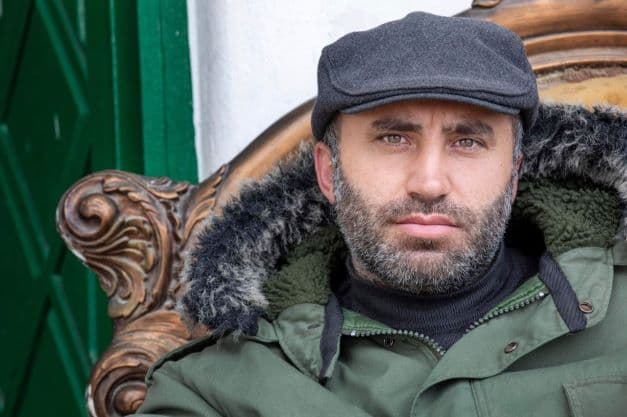
“We know about Purim weeks in advance ... even the police warn people to stay inside.”

Palestinian activist Issa Amro

While the exact experiences vary in East Jerusalem, Hebron, or Area C of the West Bank, to Palestinians an upcoming Jewish holiday means, at best, disruption and, at worst, the looming threat of settler violence.

Mohammed, a resident of East Jerusalem, recalls that as a child, he associated Jewish holidays with closures that affected his father’s business. He is conscious of the increased military presence in the Old City of Jerusalem on Jewish and Israeli holidays, particularly on Israeli Independence Day and Jerusalem Day.

Unlike many Palestinians, Mohammed’s father, who works in the Old City, usually attempts to open his business on Jerusalem Day and Mohammed is afraid he will be hurt.

”I remember, a few years ago, I lied my way through the Old City to check on him. And even then, I wasn’t able to [reach him]. There were just so many soldiers around his place, and it was one of the only places that was still open.”

Issa Amro
Issa Amro

Palestinian human rights activist Issa Amro said Purim is the holiday most feared by Palestinians in the city of Hebron. It is the anniversary of the Baruch Goldstein massacre and has long brought an inclination to violence by settlers, who follow the tradition of getting drunk on the festival.

“We know about Purim weeks in advance ... even the police warn people to stay inside,” Amro said. This year, Amro’s fears turned out to be well-founded, as settlers spent Purim throwing stones at his house.

Another day that Amro and other Palestinians in Hebron associate with violence is Shabbat Chayei Sara, the Shabbat a month after Simchat Torah when the portion recalling the death of Sara is read.

In Hebron, where Sara is buried, Shabbat Chayei Sara is an annual celebration and religious Israelis gather in massive numbers. The gatherings restrict Palestinian movement and sometimes lead to outbreaks of violence.

Everyone interviewed agreed that, within Palestinian society, there is no meaningful distinction made between Jewish religious holidays and Israeli national ones. For the average Palestinian, the settler movement and the military regime are equally associated with Simchat Torah and Purim as they are with the Jerusalem Day flag march.

But there is hope for those who want to push back against the association of Jewish holidays with violence and military rule. Mohammed, Amro and Hathleen all said that becoming friends with Jews involved in peacebuilding has helped them unlearn their negative associations with Jewish holidays.

“I greet my Jewish friends on the holidays, and they greet me on the Muslim ones,” Amro said.

But it will take more than a few interpersonal friendships if we want to reclaim Jewish ritual from the settler movement. It requires mass, concrete, condemnation of travesties like those that occurred in Huwara, Mufagara and Hebron. We can’t simply say that we’re opposed to these horrible acts; we must join the movement to ensure they don’t happen again.

Photo: Jewish kids dressed as Arabs for Purim in Hebron (Anne Paq/Activestills)

You might also like
  • Abuse by IDF soldiers humiliates Muslim Palestinians
    Ben Lynfield
  • Qusra siege exposes shared agenda of IDF and settler extremists
    Ben Lynfield
  • Archaeology used as a weapon in West Bank land grabs
    Ben Lynfield
logomark.67a07ee3
We believe in the free flow of information

Republish our articles for free, online or in print, by using our Creative Commons licence

You might also like

    US President Donald Trump greets Israeli Prime Minister Benjamin Netanyahu
    Israel Hamas WarAnalysisIsrael

    Netanyahu rejects Trump’s Gaza plan, testing US influence in the region

    Shahar Burla 2
    ISRAEL-TRANSPORT-AVIATION-STRIKE
    Israel Votes 2026AnalysisIsrael

    Bennett’s balancing act: can he win over the right without losing the centre?

    Shahar Burla 1
    fly to vote
    Israel Votes 2026OpinionIsrael

    Flying to vote is an act of love, not impudence

    Shahar Burla

About the author

Sam Stein

Sam Stein

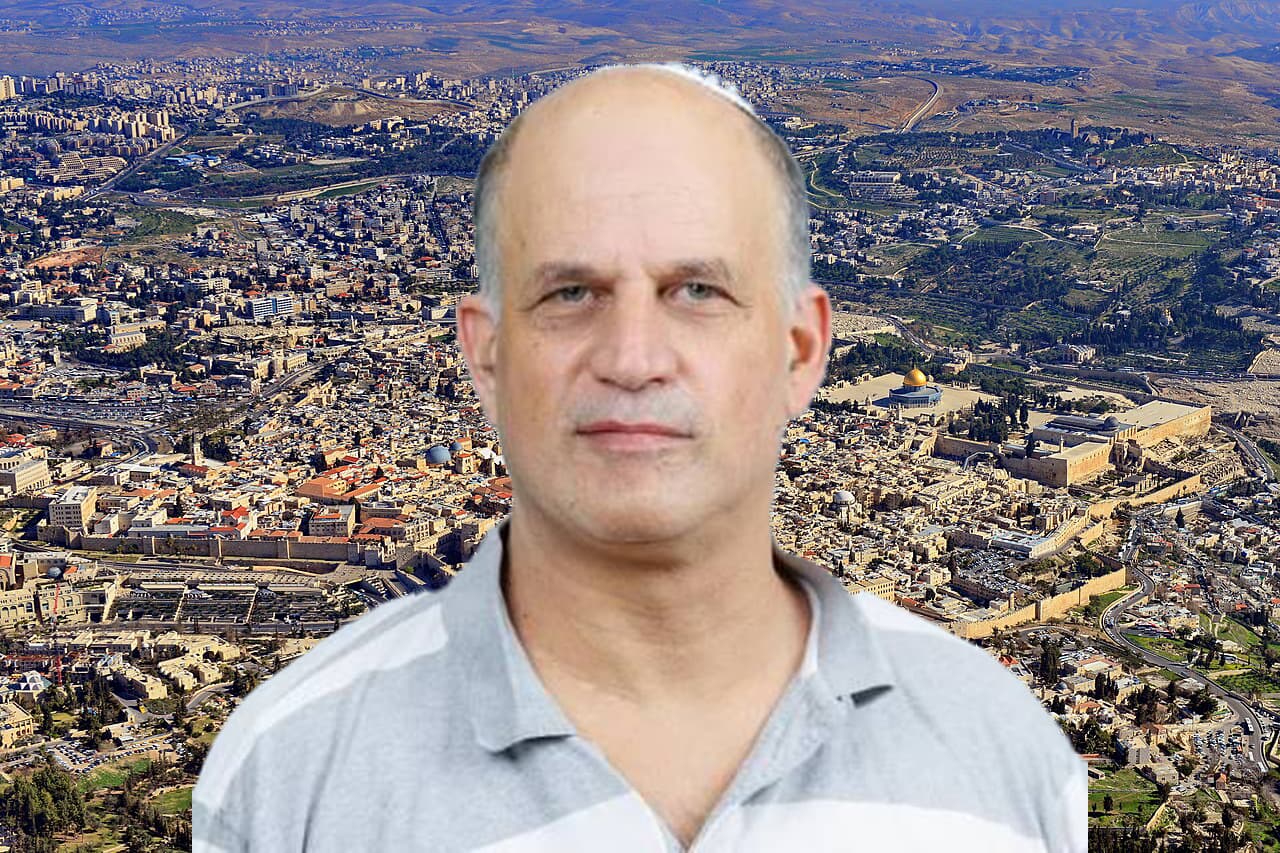
Sam Stein was born and raised in Lawrence, New York. He moved to Tel Aviv in late 2019 and then Jerusalem in 2020 to become an anti-occupation activist. For more, follow him on Instagram and Twitter @sam_avraham.

More from the author

FeatureIsrael

‘It’s like whack-a-mole’: Volunteers document West Bank violence

OpinionIsrael

‘We are not the Israelites in the current reality’

FeatureIsrael

For this yeshiva graduate teaching Palestinian kids to wrestle is a political act