Published: 7 December 2023
Last updated: 5 March 2024
If actors can go rogue, so can people everywhere. This conflict has turned every public space into a political battleground.
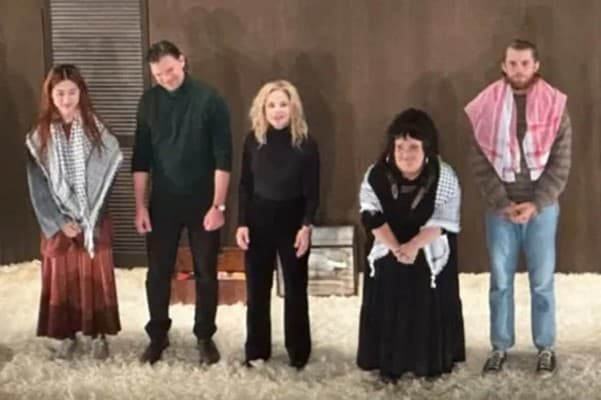
What exactly was wrong with the decision last week by three actors in the Sydney Theatre Company’s (STC) production of The Seagull to don keffiyehs in solidarity with Palestinians for the curtain call?
There’s no question it made some members of the audience uncomfortable. But one of the roles of art is to surprise and shock the public out of its comfort zones, to question things and thereby ask people to see the world in a different light. When people pay to attend an art event, that is effectively what they are opening themselves up to.
That is what the actors did. The audience paid to get A – safe and known, but it got A + B – a surprise that was confronting due to its context.
It shocked because it was not in the actors’ remit for that production to introduce political advocacy. They went rogue. People were offended, Jewish and pro-Israel patrons were upset because it felt like their evening, for which they paid money to enjoy, had been hijacked and ended up making them feel uncomfortable. STC donors and friends were miffed – they didn’t give their time and money to the company for this sort of artistic endeavour – and the curtain call was a political sideswipe, not a work of art.
But is it any more significant than that? They didn’t hurt anyone. They didn’t say anything offensive. Their actions, and the response by the STC and some donors, have raised several important questions about the intersection of art and politics, and private versus public spaces.