Published: 6 June 2023
Last updated: 28 March 2024
AVIVA LOWY takes a chance on a book about lotteries, explores modern romance rules, delves into identity and learns Jewish Italian cooking.
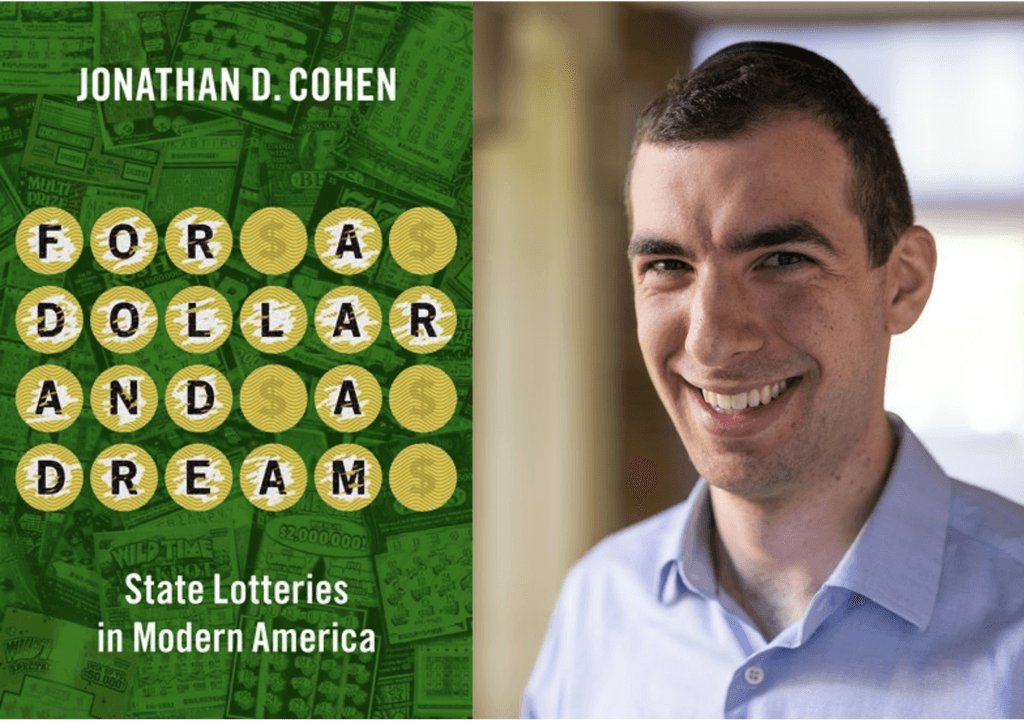
For a Dollar and a Dream: state lotteries in modern America - Jonathan D Cohen (Oxford University Press)
Every year, Americans spend more on lottery tickets than on books, concert tickets, movies and TV streaming services combined. In 2020, sales from lottery tickets totalled more than $90 billion.
According to historian Jonathan Cohen, lotteries are Robin Hood in reverse. “They take relatively more from those with lower incomes. The frequency of play and the amount bet by those who do gamble is particularly high among lower-income, non-white, and less-educated Americans,” he says.
In this book, Cohen traces the history of US lotteries from the early days of illegal gambling and numbers games, to the individual states stepping in to use the model for funding government works. They could see money was being made and they wanted in on the action. While the states believed lottery revenue had the potential to replace the need for taxes, their grand ambitions for this golden goose were whittled away over time. Today, taxes remain, with lotteries providing only a small amount of the public purse.
Unfortunately, during periods of economic decline, as incomes fall and unemployment rates rise, lottery sales increase. At the start of his book, Cohen introduces us to Leo McCord, a 70-year-old black man from Illinois who has played the lottery every day for almost 50 years. His story is an example of the typical player. When he lost his taxi-driving job and fell on hard times, his desperation resulted in him spending more on lottery tickets, believing them to be his only hope.