Published: 7 July 2026
Last updated: 7 July 2026
Australia has never formally recognised the Armenian Genocide at a national level. This is usually viewed as a matter of foreign policy, weighed against diplomatic relations with Turkey. But it is equally a question of Australian history, involving a chapter of the nation's past that has largely disappeared from public memory.
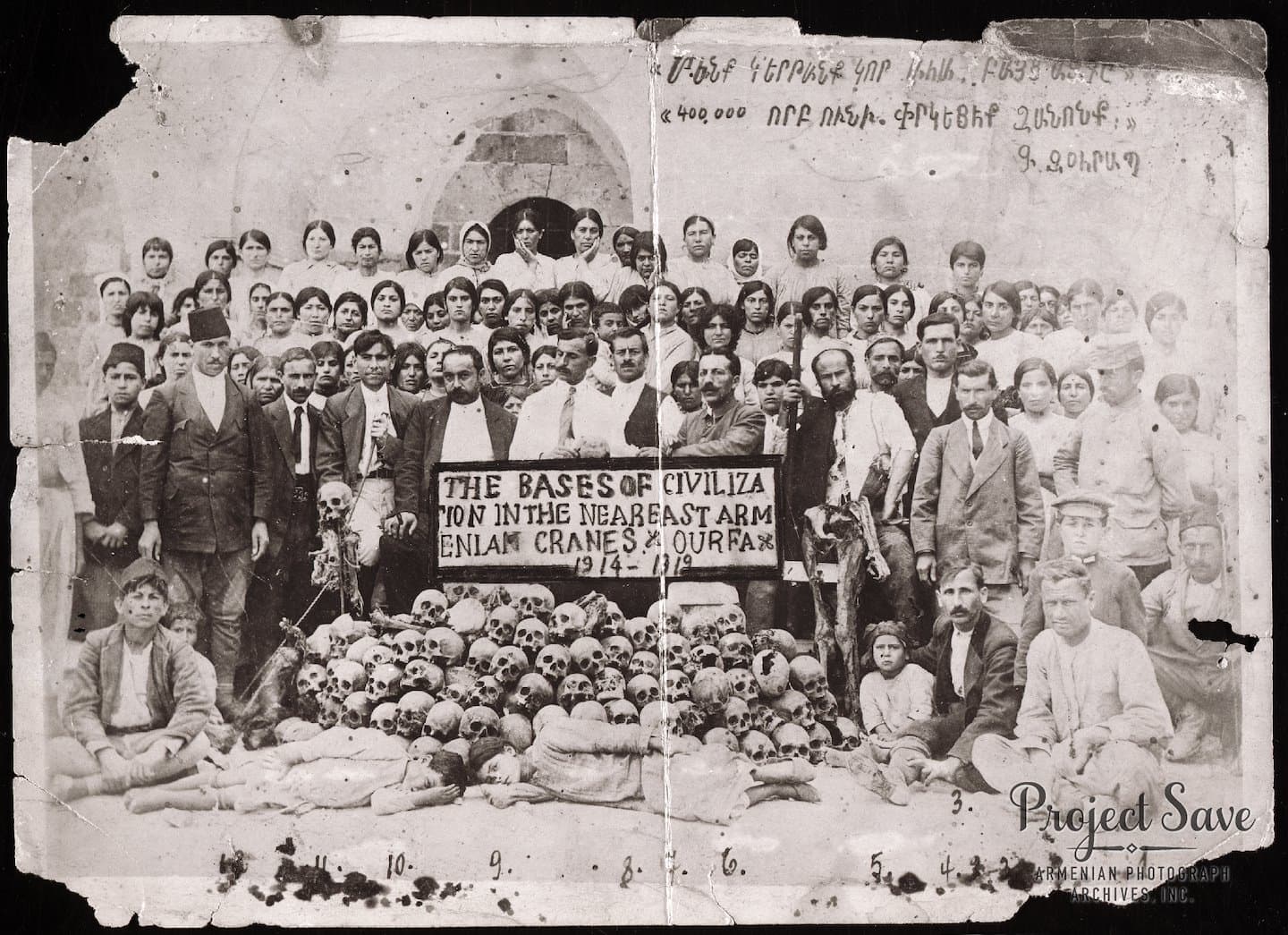
In Australia, advocacy for recognition of the Armenian Genocide also concerns the wider genocidal campaign against Armenian, Greek and Assyrian communities throughout the final years of the Ottoman Empire (1914–1923). It encompasses the shared pursuit of recognition by these three communities, as well as the Australian humanitarian response to survivors, displaced persons and refugees between 1915 and 1930. Australians were not distant observers of these events. They witnessed the destruction as it unfolded, documented it in official reports and personal accounts, and responded in real time through international humanitarian relief efforts.
The connection began at Gallipoli during World War I. On April 25, 1915, the Australian and New Zealand Army Corps (Anzacs) landed on the peninsula. The previous day, Ottoman authorities had arrested hundreds of Armenian intellectuals and community leaders in Constantinople (modern-day Istanbul), marking the start of the Armenian Genocide. Before and during the Gallipoli campaign, more than 30,000 Greeks living on the Gallipoli Peninsula were deported from their homes. Across the empire, Armenians, Greeks and Assyrians were increasingly viewed as internal enemies whose presence was considered incompatible with the Ottoman Empire's vision of its own survival and identity, amid territorial losses and political upheavals. These events unfolded within the same empire simultaneously, under the same wartime conditions.
Anzac prisoners of war recorded encounters with deportation columns and destroyed communities. Anzac Lieutenant Leslie Henry Luscombe reported seeing Armenian women and children being transported in steel livestock trucks. Between 1915 and 1930, Australian activists, Anglican churches, and community and humanitarian organisations raised funds for refugees and orphaned children, with Australian women playing a significant role in that relief effort. Anzac Captain Stanley Savige, serving with the British-led Operation Dunsterforce in Persia in July 1918, helped protect and evacuate tens of thousands of Armenian and Assyrian refugees fleeing massacre.