Published: 6 July 2020
Last updated: 4 March 2024
WHEN THE FIRST EPISODE of Stateless aired on the ABC on March 1, Elise McCredie didn’t know what to expect. As writer and co-creator of the powerful drama about an immigration detention centre in the outback, she hoped it would provoke a public discussion about the impact of detention on the lives of people it touched and on the Australian psyche.
The six-part series shone a searing spotlight on the problem through the lives of four people in very different roles - an airline hostess with mental health problems, an Afghan refugee fleeing persecution, a young Australian father trying to become a better provider and a bureaucrat tasked with a no-win job.
Stateless left a powerful mark on viewers through its confronting portrait of life in the centre, and the moral dilemmas that immigration detention imposes on anyone involved in the system.
But little did McCredie, whose writing and directing credits on TV and film include Jack Irish, Sunshine and Ride Like a Girl, know that three weeks into the series (co-created by Cate Blanchett and Tony Ayres) the world would be consumed by Covid-19, which was a major distraction to put it mildly.
Yet this did not dampen its critical and popular reception. One barometer of this success is that Netflix has picked up the series and will start broadcasting it for an international audience on Thursday.
And on Sunday, McCredie will be in conversation in a special Zoom event, organised by The Jewish Independent, where she will talk in detail about the impact of the series, the hurdles they faced in creating it, and what she learned through the experience.
Things have become a lot more difficult [since the pandemic] - isolation, less donations to charities that support asylum seekers. Given that many asylum seekers do not have work rights, they are dependent on this support.
Ahead of Sunday’s event, McCredie told Plus61 that the public response was extremely positive, with “great reviews across all media”.
However, she admits the pandemic did suck some out of the oxygen out the public response. “Unfortunately, the conversation we were hoping to provoke was eclipsed by Covid. We would all have like a bigger public and political response. A reckoning if you like.
“This didn’t happen largely because of circumstances but also I think there is a desire to turn a blind eye to this time in Australian history.”
McCredie says the virus has also created other indirect hurdles for the asylum seekers and refugees still caught up in the detention process. “The Asylum Seeker Research Centre does an incredible job in Victoria of supporting asylum seekers.
[gallery columns="1" size="large" ids="36606"]
“But things have become a lot more difficult [since the pandemic] - isolation, less donations to charities that support asylum seekers. Given that many asylum seekers do not have work rights, they are dependent on this support.”
While that is tough for those who are committed to helping them, on the plus side McCredie is excited that the series will get a deserved second wind through Netflix. Not only does it give Australian audiences another opportunity to see the series, but Stateless will now be available in 190 countries.
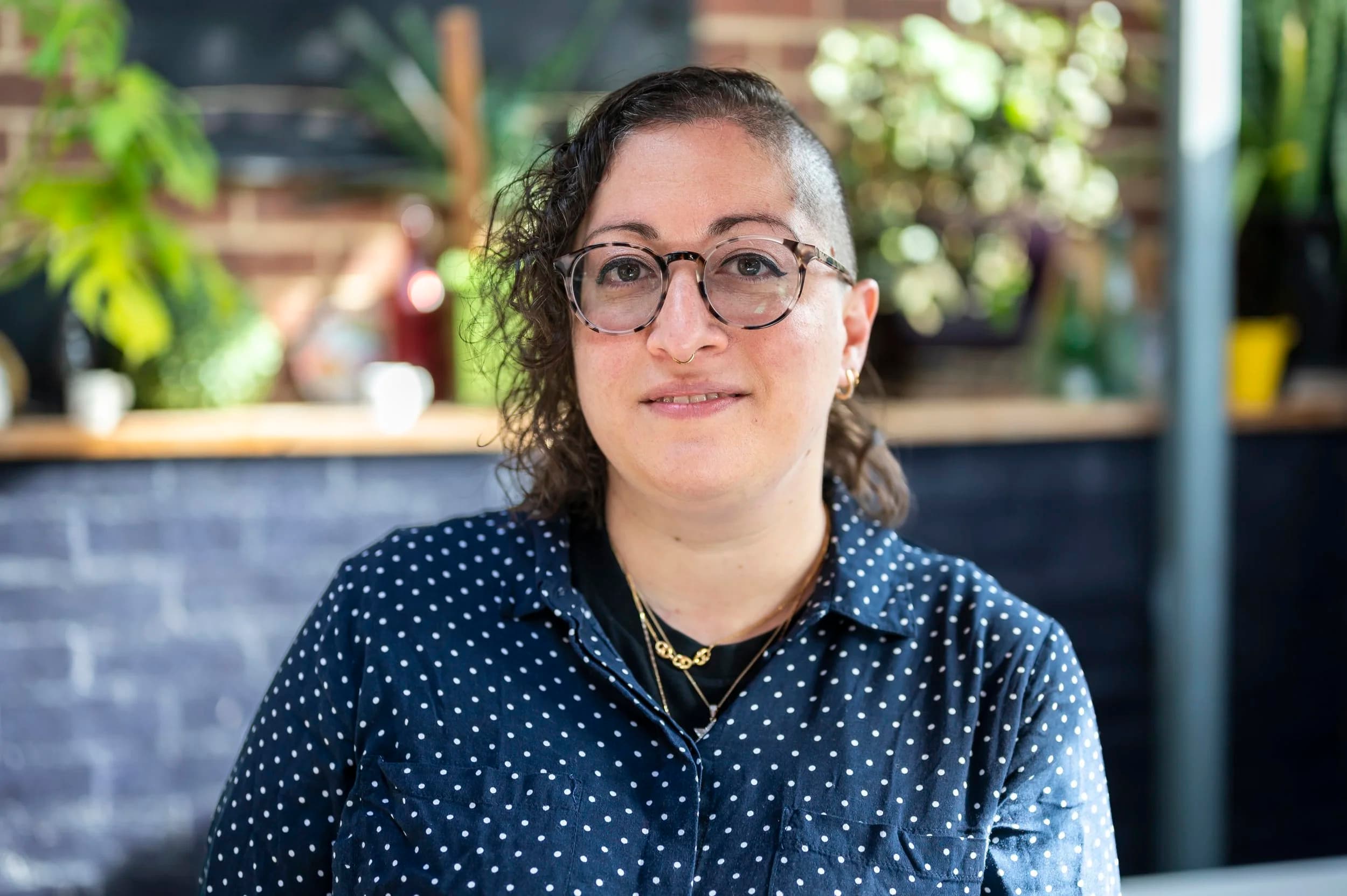
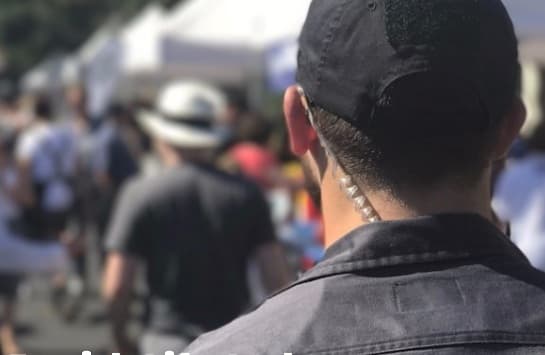
Image: Elise McCredie (left) and a scene from Stateless (right)
Next Sunday, from 8pm-9pm, Elise McCredie will be in conversation with ABC broadcaster Andrew West, in a FREE Zoom event hosted by The Jewish Independent.
TO REGISTER, CLICK HERE