Published: 2 March 2021
Last updated: 4 March 2024
JANUARY WAS A MONTH of reckoning in the world of youth movements. Summer camps are a worthwhile challenge at the best of times. Last year, we faced smoke-smothered skies and last-minute relocations because of the bushfires. This year, a global pandemic.
In crises, communities fight for what’s important. While health, wellbeing and financial stability generally top the list, the efforts that have gone into keeping our camps accessible have served as a reminder and lesson, for me, of the importance of the ongoing empowerment of young people.
Leading at camp has its unruly moments. Late nights on guard duty, having random conversations between checks on our participants in the early hours of the morning, frantically preparing program spaces for late night games or discussion-based informal learning. Running a creative prayer service among ancient gum trees and moss-covered rocks, choosing prayer tunes as we go along.
Perhaps, what we missed most were unplanned interactions, asking friends leading other age groups how the kids enjoyed midnight bootcamp, or chatting with participants about Shabbat, or Shnat (Israeli gap year programs), or school.
Being a leader in a youth movement is still a challenge for me, so foreign from the normal routine of life that we try to prepare our kids for. There is so much passion, for both our values and the process of reforming and challenging them.
So many hours spent planning and brainstorming in the lead up to camps, events, callathons. I still struggle to explain what my youth movement is, and what my role is within it, to friends and family who ask. But perhaps it's that unique experience of coming together as young people that makes it the space that it is.
It was hard to tell how much I missed the parts that make it all worthwhile until we were back in person. A community founded on spending informal, social time together, youth movements adapted for the world online were a mighty challenge to establish.
We were successful in running programs, educational seminars and even a winter camp online - but it illustrated how camp magic is difficult to transmit in the liminal space between screens.
This year of lockdown learning also taught me that what we have in person is so vital to cultivating engaged, empowered young people in our community. When we were able to sing “ruach” (chants), albeit with masks, before meals, and come together to sing Birkat Hamazon (Grace after Meals), there was so much relish for the traditions we have grown up learning and now choose to continue to practice.
We’re at a rare juncture in which our generation will set the tone for what it means to be a youth movement, with a separation between now and what has been before. With movement memory ever changing, there is generally an entire leadership body turnover within two-four years.
But with a year of online programs, the traditions and culture that we set in 2021 will be almost completely reconstructed - an exciting prospect for a group of young people whose last 12 months has been mostly out of our control.
As we venture into the worlds of university, Shnat programs and spaces beyond our high school reach, the leaders of youth movements are well positioned to guide our next generation of young people in reimagined and unconventional ways.
What began as spaces for young people to challenge the status quo and provide support for interacting with Jewish culture and heritage, continue to be valued in this new era.
The chance to be part of shaping how our young people learn and engage with our community is a privilege and being part of that process face to face is something I will cherish for a long time.
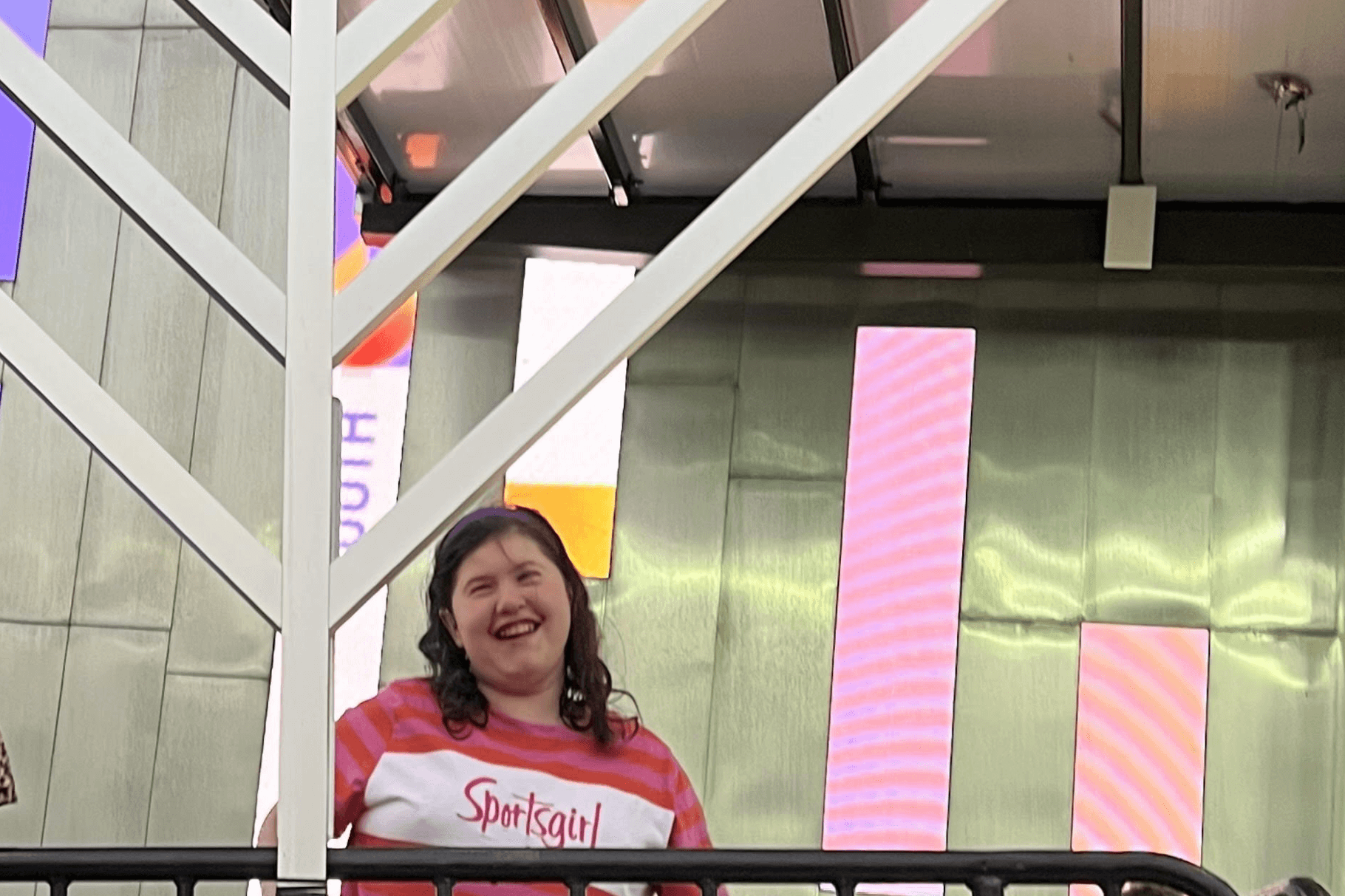
Photo: Socially distanced Havdalah on Senior Camp in January, Macedon Ranges, Vic (Tom Krieser)