Published: 25 June 2026
Last updated: 13 July 2026
For much of the past year, the upcoming Israeli election appeared to be likely to be a familiar contest. Prime Minister Benjamin Netanyahu would face former prime minister Naftali Bennett, while the opposition searched for a formula to end the longest-serving premier's political dominance.
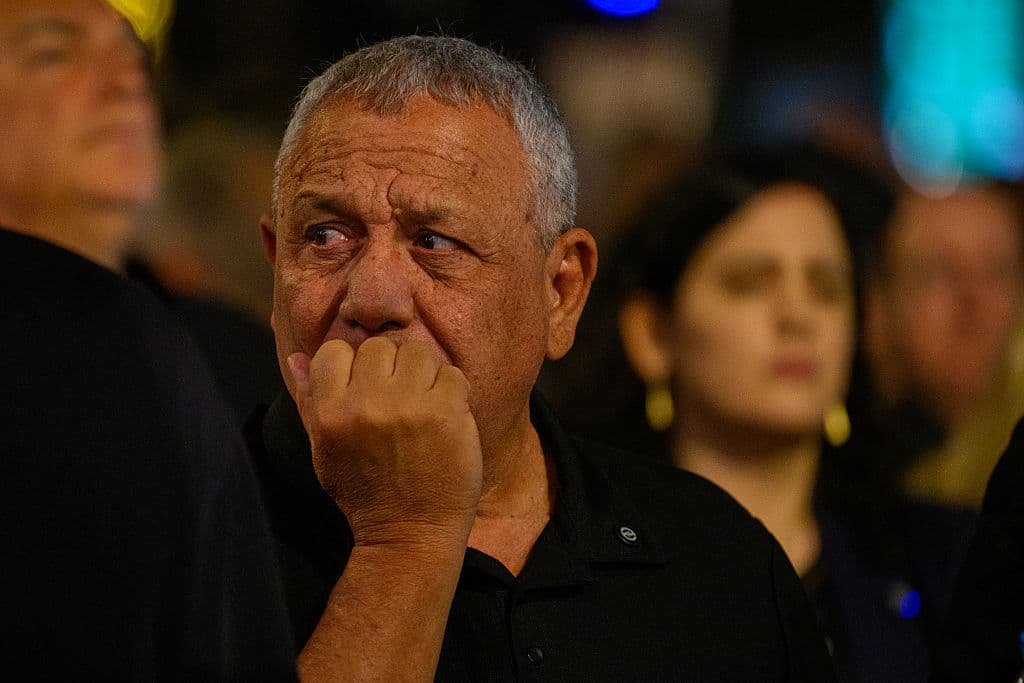
Instead, an unexpected figure has emerged at the centre of the race. Recent polling suggests that former IDF chief of staff Gadi Eisenkot has overtaken both Bennett and Netanyahu as the politician many Israelis now consider most suitable to serve as prime minister. His newly established party, Yashar (“Straight”), has surged steadily in the polls, while support for Bennett and Yair Lapid's joint political project has gradually declined. According to recent surveys, Yashar is now running neck-and-neck with Netanyahu's Likud as Israel's largest party.
Netanyahu has already begun targeting Eisenkot directly, portraying him as inexperienced, politically naïve and weak on national security. Yet the attacks may reveal something more significant: genuine concern within Likud that a candidate few considered a serious contender only a year ago has become the most credible threat to Netanyahu's continued rule.
The question is no longer whether Eisenkot is a serious political player, but whether he could unseat the man who has dominated Israeli politics for 20 years.
From Golani commander to political contender
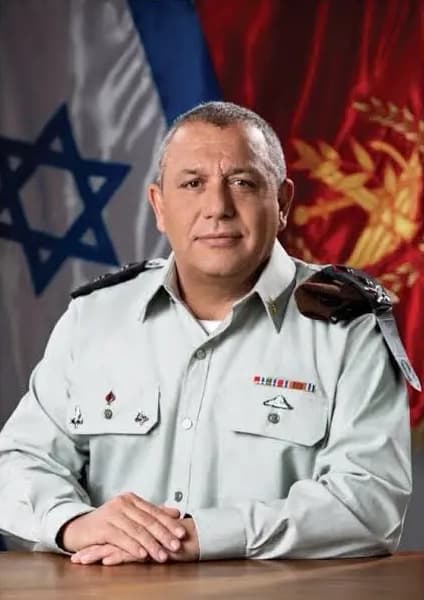
At 66, Eisenkot brings a markedly different background from many of Israel's recent political leaders. Born in Eilat to Moroccan immigrant parents, he built his reputation through a four-decade military career rather than through elite political networks. Unlike Netanyahu and Bennett, who both emerged from the prestigious Sayeret Matkal unit, Eisenkot spent his career in the Golani Brigade, rising steadily through the ranks before becoming IDF chief of staff between 2015 and 2019.




Comments1
Bart30 June at 03:38 am
Given the praise for Eisenkot’s purported moderation and military service, I’m surprised it was considered irrelevant for this introduction that the general is himself the author of the IDF’s 2008 “Dahiya Doctrine” that calls for disproportionate violence against civilian life and economic infrastructure as retribution for armed resistance against Israel. Can one be a moderate war criminal?