Published: 13 March 2024
Last updated: 21 March 2024
SIDRA KRANZ MOSHINSKY travels to southern Chile and finds a story that feels remarkably familiar to Australian Jews.
Wherever we go, we take ourselves with us. So it was that I found myself at a town that felt very much like, if the earth were flat, here is where you would drop off.
Punta Arenas is located at the end of a highway called Ruta del Fin del Mundo (“end of the world” in Spanish), in the far south of Chile, pretty much the last stop before heading off to Antarctica.
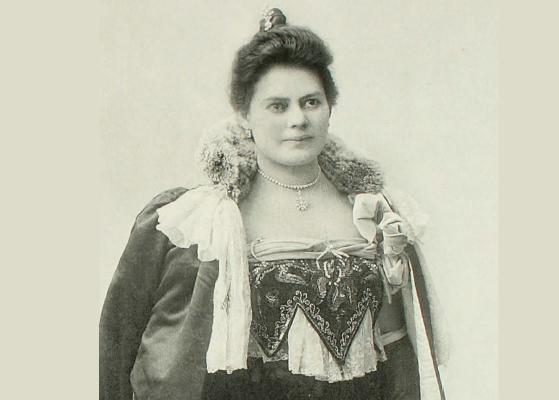
Amid the bracing icy winds, the sea birds and the grand but dilapidated buildings of what was once a thriving port, my ears pricked up as my Jewish radar registered a signal: name Sara Braun… successful business woman late 19th-early 20th century… major philanthropist… surely one of the tribe?
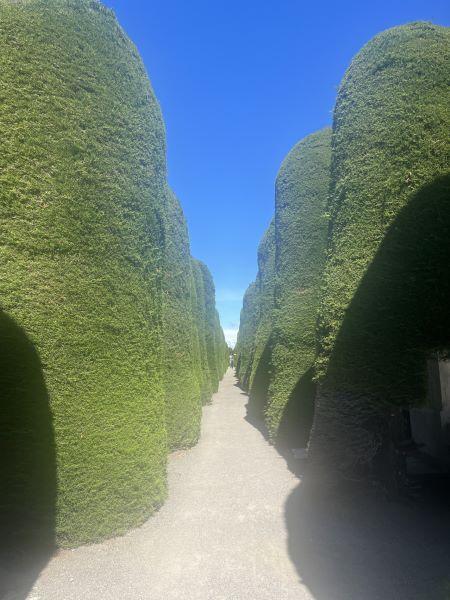
I was visiting Cemetery of Punta Arenas Sara Braun, a historic graveyard ranked by CNN as one of the 10 most beautiful cemeteries in the world.
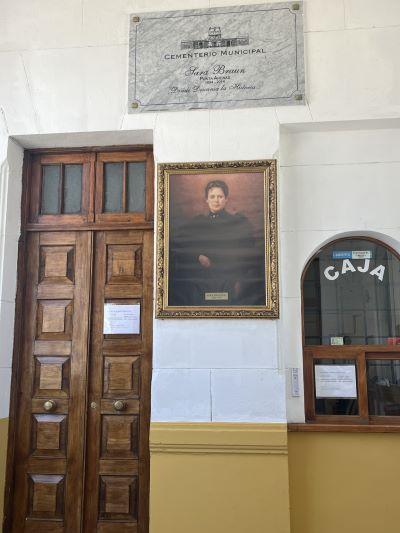
The cemetery is named in Braun’s honour because she provided the land and grand entrance, which, curiously, was closed in 1955 when she died. Visitors must enter through an adjacent gate, where they face an oil painting of the gracious benefactor.
The threads of the story of Sara Braun are at once uniquely hers and quintessentially representative of the wider story of Jewish history and her-story.