Aa
  • Read, Watch, Listen
  • TJI Series
  • Community Action
  • Events
  • Zedi
Follow us and continue the conversation
  • LinkedIn
  • Instagram
  • FaceBook
  • X
  • YouTube
Test yourself with the TJI Quiz!

Adjust size of text

Aa

Follow us and continue the conversation

  • LinkedIn
  • Instagram
  • FaceBook
  • X
  • YouTube

Your saved articles

You haven't saved any articles

What are you looking for?

Original reporting, insightful analysis and diverse views, delivered straight to your inbox

  • LinkedIn
  • Instagram
  • FaceBook
  • X
  • YouTube
Your support fuels our mission to inform, entertain and inspire.

The Jewish Independent is bound by the Standards of Practice of the Australian Press Council. If you believe the Standards may have been breached, you may approach The Jewish Independent or make a complaint to the Australian Press Council in writing at www.presscouncil.org.au. The Council may also be contacted on 1800 025 712.

  • Our Story
  • Contact us
  • Our Team
  • Support us
  • Guidelines
  • Pitch your idea
  • Republishing us
  • Community Action
  • Our Awards
  • LinkedIn
  • Instagram
  • FaceBook
  • X
  • YouTube
Aboriginal FlagTorres Strait Islanders Flag

The Jewish Independent acknowledges Aboriginal and Torres Strait Islander peoples as the Traditional Owners and Custodians of Country throughout Australia. We pay our respects to Elders past and present, and strive to honour their rich history of storytelling in our work and mission.

© The Jewish Independent 2026All Rights Reserved
Website design and development by Your Creative, MelbourneTerms & ConditionsPrivacy Policy
HomeRead, Watch, ListenLifestyle
When They AskAnalysisLifestyle

When they ask about…TikTok

Navigating children's use of social media is one of the great challenges of modern parenting. Being Jewish offers additional challenges but also opportunities for culturally-rich responses.
Sidra Kranz Moshinsky
Print this
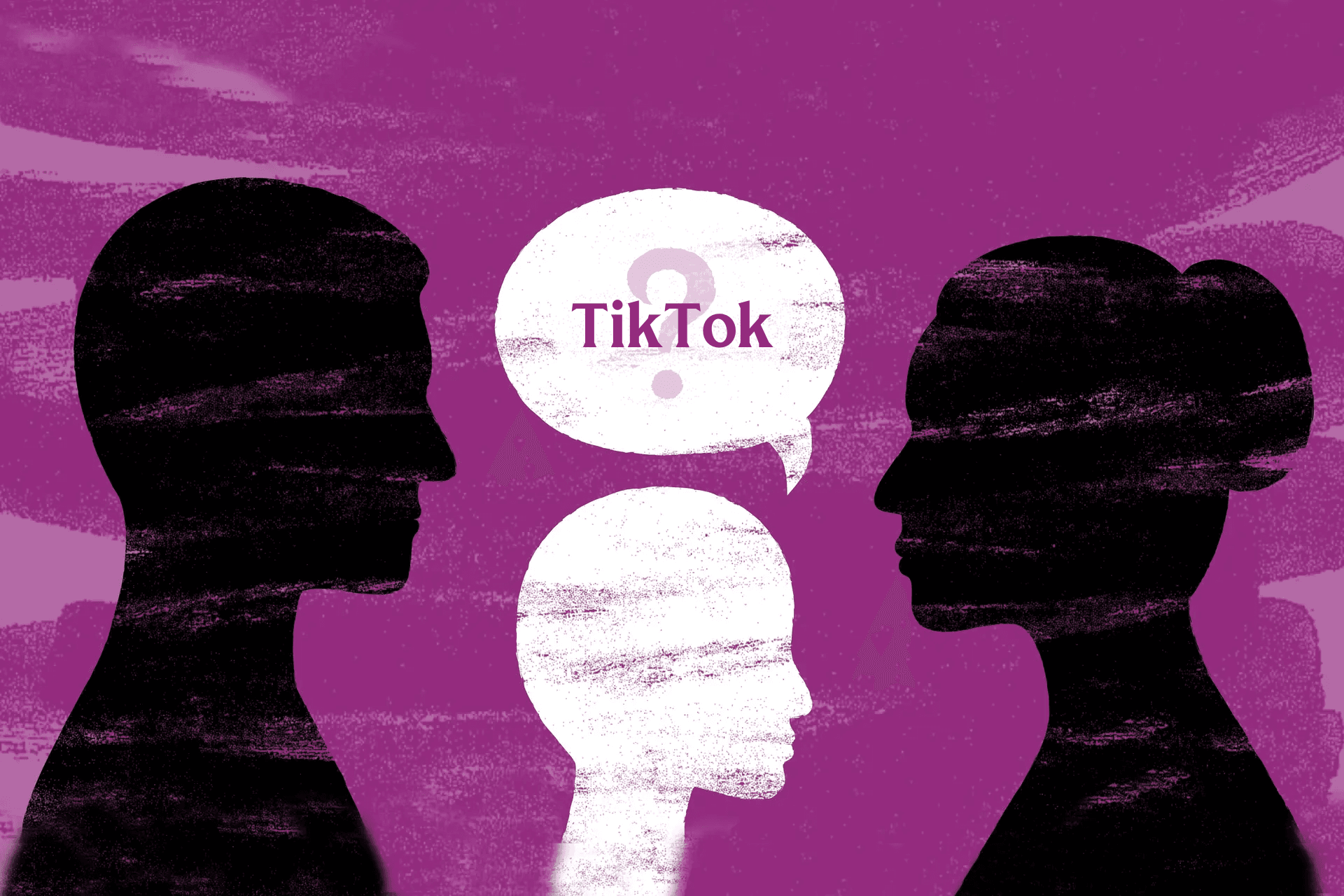
A purple banner with a cartoon dad, mum and child and question mark coming from child

When They Ask About TikTok

Published: 13 January 2025

Last updated: 7 May 2025

‘There is nothing new under the sun,’ lamented Kohelet (Ecclesiastes) in his eponymous work in the Tanach.

The school I attended in the 1970s urged parents to ban or limit us kids from watching television, the scourge of our day that would rot our emerging minds and expose us to material inappropriate for our age. A generation earlier, in the 1950s, it was the newly emerging mass-produced comics that were the subject of intense scrutiny, with the US Congress holding hearings into the connection between reading them and the rise of juvenile delinquency. When my friend worried about her kids playing video games, her mother recalled her own parents’ anxiety about radio serials.

Today it is social media.

A few weeks ago, the Australian federal parliament became the first legislature in the world to pass laws that place severe limits on social media usage by children under 16. Despite its contentious and ground-breaking nature, it was passed amid a rush of bills legislated by parliament on its last sitting day of the year.

These new laws, which only come into effect in 12 months, will place the onus on social media companies in Australia to take steps to accurately determine the age of their users and block children under 16. The lawmakers figure if these companies, with their complex algorithms, capacity to scan usage and mine data, can figure out how to target children with content and advertising, then they have the capacity to avoid them. The legislation also indirectly puts pressure on parents and schools to give it effect.

These platforms are giving currency to antisemitic, anti-Zionist and anti-Israel rhetoric at alarming levels and intensity

Banning is one approach and it certainly sends a powerful signal about the potentially dark reality of social media’s effects. But as is the case with other bans in place for young people - accessing cigarettes (tobacco or vape), alcohol and getting into over-18 venues such as bars and nightclubs - they are limited in their capacity to really work. Anyone who has had or has teenagers (and increasingly tweenagers), knows how determined and wilful they can be. And that’s to our faces, let alone what they might do in stealth.

There is no doubt that we are living in a time of a mental health epidemic. The research on social media usage and the dramatic rise of depression, anxiety and, tragically, suicide rates clearly establishes the causative link between the two. Further, the time children increasingly spend on their devices (for some, hours each day) is time away from other pursuits, such as physical activity, developing skills and hobbies, socialising IRL (in real life, as abbreviated in chats), helping around the house, taking on paid work, even watching a show or film together with others that may be screen-based but is still shared.

These activities that are increasingly absent from children’s lives have potentially negative effects, ranging from declines in overall health, fitness, coordination and eyesight to decreased conversational skills and, crucially for any generation, capacity to connect meaningfully with people and to function independently and confidently.

Within the Jewish community, we have our own urgent and particular need to be vigilant about what our children are being exposed to through social media. Kids should not be viewing violent and distressing images of the Nova music festival, of hostages, of war. These platforms are giving currency to antisemitic, anti-Zionist and anti-Israel rhetoric at alarming levels and intensity, with trolls hiding behind false identities to post the kind of images and language that would make the Nazi party proud. Not surprisingly, young people report feeling unsafe about being openly Jewish online and many take steps to remove their Israel content.

If the ideal cannot be met, it’s okay to pull rank.

If we adults are limiting our exposure to this digital tsunami, then how much more so should our children. But, of course, it’s not as simple as that. For one, children are not always aware of nor sufficiently disciplined to make wise choices about their wellbeing. Additionally, these spaces have their benefits, along with their now deeply-wired appeal. They allow for sharing (admittedly a fine line between this and bragging), learning and connecting with one’s ‘tribe’, particularly important for young people in diverse groups seeking to find one another. Plus we don’t want to be in constant conflict or acting as household police officers enforcing the law.

Digital devices are not going away, but with the passing and then implementation of these laws, the capacity of our children to sink into TikTok or Snapchat black holes for hours on end may be diminished. Beyond the legalities, with the recent attention to the issue in the media and with the summer holidays upon us, it is a good time for parents and carers to have conversations and put boundaries in place about how much time daily or weekly the young people in our orb are going to spend in cozy and exclusive relationship with their favoured device.

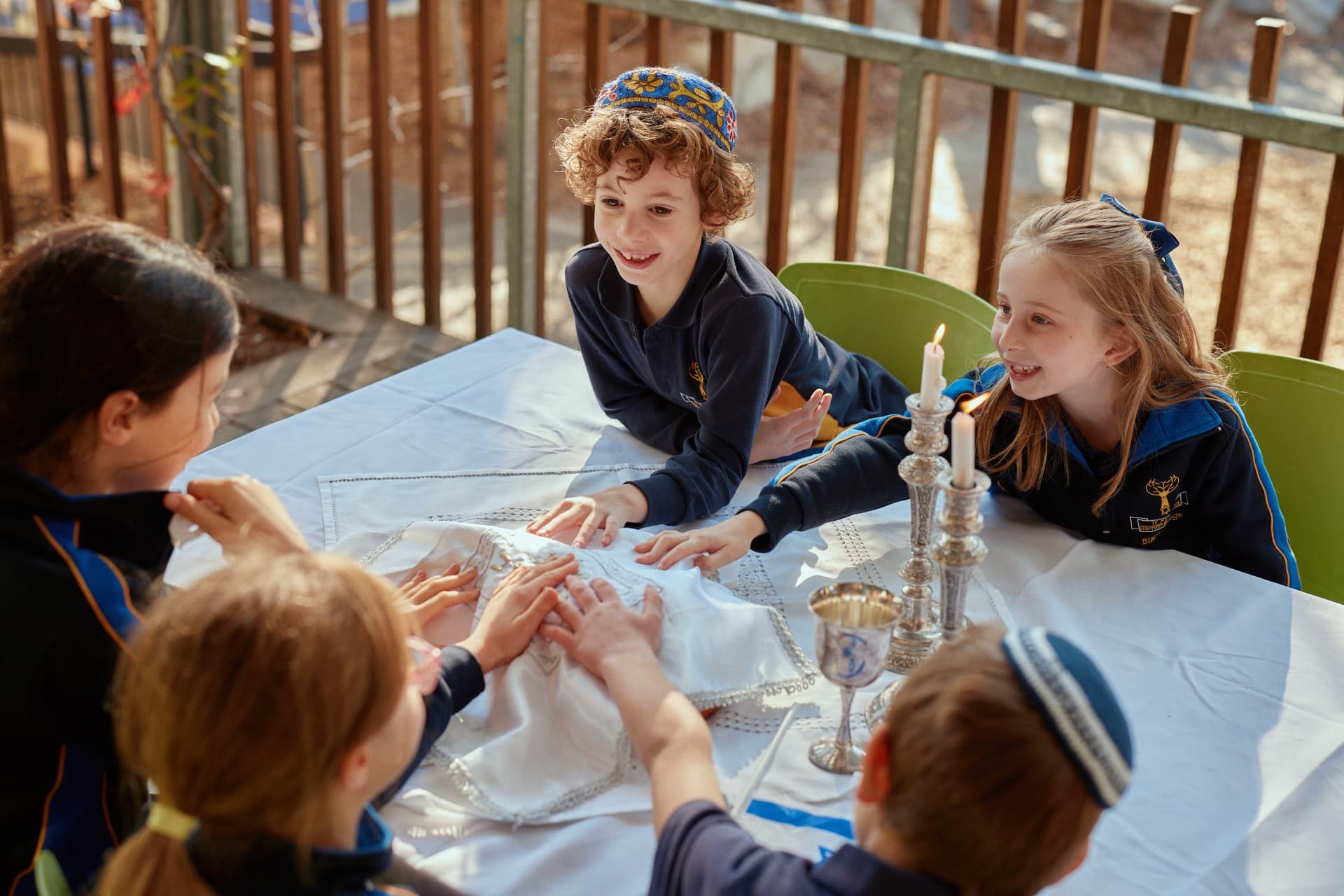
Ideally, these parameters are best set together, based on conversation and understanding. If the ideal cannot be met, it’s okay to pull rank. Phones stay out of bedrooms at night and times are set aside daily that are device-free. You can even experiment with a day per week for digital detox, as people are doing in increasing numbers, with Shabbat being the obvious and culturally-rich choice (if not already observed in this way). Enjoy the great outdoors and get out of range for a day or a week and all get to experience the lightness, freedom and space of life physically and digitally untethered.

The ticktock of the childhood clock moves rapidly, so doing all we can to shape and shield is imperative. Just as it has always been.

You might also like
  • Antisemitism, homophobia and a radical response to both
    Dennis Altman
  • Confronting Richard Flanagan and the myth of the Israel lobby
    Mary Garden
  • Court decision fails to understand when ‘Fuk Israel’ becomes antisemitic
    Jeremie Bracka
logomark.67a07ee3
We believe in the free flow of information

Republish our articles for free, online or in print, by using our Creative Commons licence

You might also like

    Rosh Hashanah Customs
    FeatureLifestyle

    10 little-known Rosh Hashanah customs from around the world

    Menachem Posner
    Neurodivergence panel
    VideoLifestyle

    Neurodivergence and inclusion in the Jcom

    The Jewish Independent
    Housing
    Australia

    Housing insecurity hits home in Jewish community

    Jarod Rhine-Davis 1

About the author

Sidra Kranz Moshinsky

Sidra Kranz Moshinsky

Sidra Kranz Moshinsky is a writer, researcher, educational leader and museum professional, serving as the Director and CEO at the Jewish Museum of Australia. She has worked across Jewish schools and cultural organisations throughout her professional life and is a founder of the Jewish Educators’ Network of Australia. Sidra is also a freelance contributor to various publications, such as The Jewish Independent, and celebrates Jewish life through many avenues, including by being a board member of Kehilat Kolenu.

More from the author

ReflectionArts & Culture

Between Melbourne, Warsaw and Tel Aviv, where was I at home this week?

OpinionLifestyle

When they ask about…the tooth fairy

FeatureWorld

This ambitious treasure trove could help us know our ancestors

Comments

No comments on this article yet. Be the first to add your thoughts.