Published: 23 June 2026
Last updated: 23 June 2026
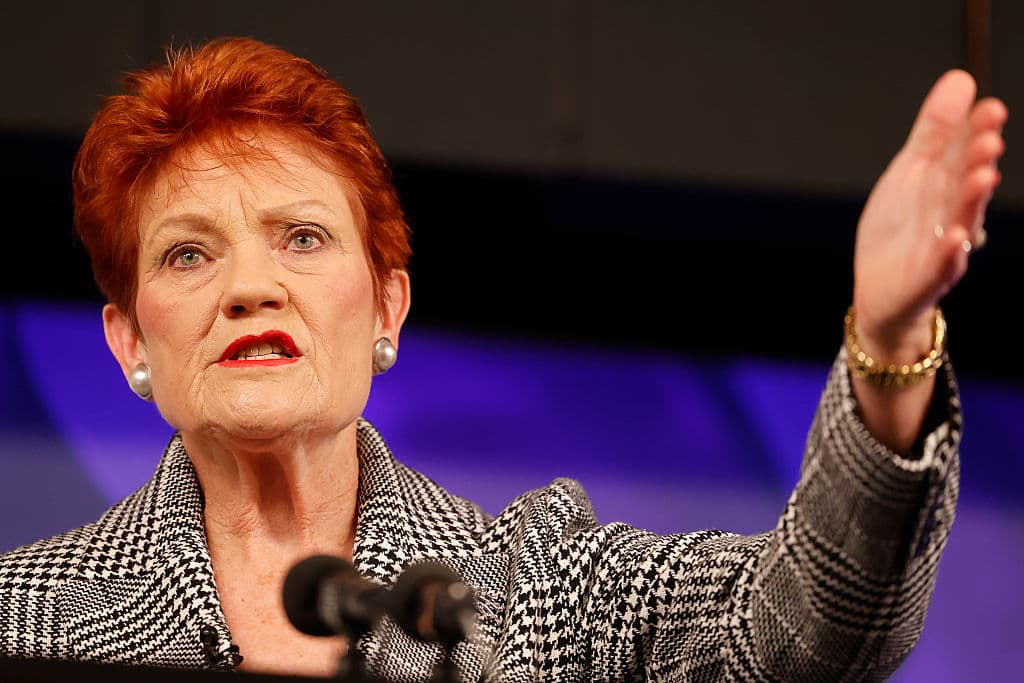
When Pauline Hanson gave her maiden speech calling for a rejection of multiculturalism in 1996, she was a marginal voice widely dismissed as an extremist.
When she called for a monocultural Australia at the National Press Club last week, she was equally extreme but much more dangerous.
In the intervening 30 years, populist movements that blame migrants and minorities for economic and social ills have gained traction across the Western world. The MAGA politics of Donald Trump, the Brexit isolationism of Nigel Farage, and the rise of far-right parties across Europe are all symptoms of a world that is retreating from globalism and rejecting the diversity and open-mindedness that characterised the last decades of the 20th century.
In Australia, where multiculturalism has been deeply integrated and largely successful since its formal introduction by the Whitlam government in 1973, this movement has been relatively slow to gain a foothold.
But it is clearly doing so now. Hanson’s One Nation has just won its first House of Representatives seat, the watershed that precipitated her invitation to the Press Club. The Liberal Party, flailing electorally, has responded with language that is slightly subtler, but contains the same dog whistles about “putting Australian values at the heart of immigration policies”.
Any Jewish support for an anti-migration, monocultural Australia depends on a short memory and an even shorter horizon
There are good reasons why this populist movement is gaining ground internationally, and those of us who are alarmed by it must be careful not to dismiss them. Faced with economic instability and massive change, traditionally powerful groups are losing ground. White men can no longer assume the right to the best jobs or the last word. Uncertainty is everywhere, from gender identity to technology. Raising the barricades is a natural response.





Comments5
Moti13 July at 09:06 am
“Colin” describes the writer as smug and condescending. Apparently he’s spoken to another Jew who agrees with him about Hanson, and I think we can agree “Colins” smug nand condescending.
Personally I find it a beautifully articulated article, and congratulate the author.
Sadly, I feel Australians are in real danger of jumping into the flames by mistake, because they dont being in the hot pan, and articles like this should be a very loud wake up call.
Moti13 July at 08:50 am
I’m finding it hard to comprehend any Jew finding anything alluring in Hanson.
That this discussion is going on, in the same week Hansons gallivanting around Europe, on Rineharts credit card, meeting with Tommy Robinson, Holly Valance and any other right winger who’ll give her the time of day.
Some of us actually remember the old Pauline who sprayed her vitriol far more widely. As the author notes, shes now refined her shtick and for now, Jews, Israel etc are in the good guys column.
We’ve seen this movie before, just on 100 yrs ago. It didn’t end well. Handing control to overbearing, dominant “leaders”, and their minions never has.
Colin8 July at 08:33 am
What smug and condescending drivel. You do not speak for all Australian Jews, many of whom agree with and support Hanson.
SIMON KRITE27 June at 10:06 am
This article perfectly illustrates why increasing numbers of Australians, including Jews, are drifting towards Pauline Hanson.
Rather than engaging with the issues, it labels the person raising them.
Most people supporting Hanson are not rejecting multiculturalism. They are asking a legitimate question. Has Australia’s historically successful model of multiculturalism worked equally well across all communities?
Australia has been enormously successful at integrating migrants into a common national culture built on the rule of law, democracy, equality before the law and our Judeo-Christian heritage. But pretending every migration and integration outcome has been equally successful is straight out denial.
The article dismisses concerns about social cohesion, integration and antisemitism as fear, populism or nostalgia. Those concerns are real, and refusing to discuss them honestly is precisely what has fuelled support for One Nation.
People aren’t voting for Pauline Hanson because they suddenly oppose diversity. They are voting for her because they believe she is one of the few politicians prepared to acknowledge problems the major parties are unwilling to confront.
Labels don’t solve problems. Honest conversations do.