Published: 14 July 2026
Last updated: 14 July 2026
Indonesia once dominated the international spice trade. Among those drawn to the sprawling tropical archipelago, then called the Dutch East Indies, was a small community of Iraqi Jews who had fled persecution and instability in the early 1900s.
The story of their communal success, their brutalisation under Japanese occupation, and their eventual dispersion has been largely overshadowed by the Holocaust and the experience of European refugees.
How this little-known community came to settle in Indonesia is a story of cultural intrigue, exile and high drama, and the subject of my upcoming book, which emanated from my foreign correspondence in Indonesia. The timing now is crucial: many of those who remember the days of Indonesia’s Iraqi Jews have died, and the remaining witnesses are old.
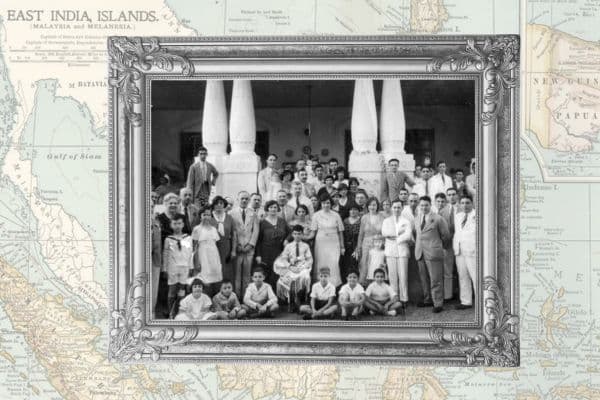
The approximately 600 Sephardi Mizrahi Jews who migrated to Indonesia in the early 20th century originated in Baghdad but arrived from countries such as Singapore, India, Malaysia, Hong Kong and Burma. They settled in the major port of Surabaya, East Java, where they established the first synagogue in 1923.
Despite settling in a majority-Muslim nation governed by Dutch Protestants, the Iraqi Jews practised their faith with impunity – and enjoyed the fruits of the colony.
They relished a relatively privileged, carefree lifestyle. Indonesia was socially less stratified than the British colonies, and the Iraqi Jews shared the same benefits as the Dutch: membership in country clubs, free Dutch education, house servants, cooks, gardeners and drivers.
Working mainly as traders, fruit wholesalers, teachers, and importers and exporters, the Iraqi Jews were multilingual – speaking Arabic, Malay, Dutch, Bahasa Indonesia and Javanese. It served them well as they accessed all strata of society.