Published: 26 August 2026
Last updated: 26 August 2026
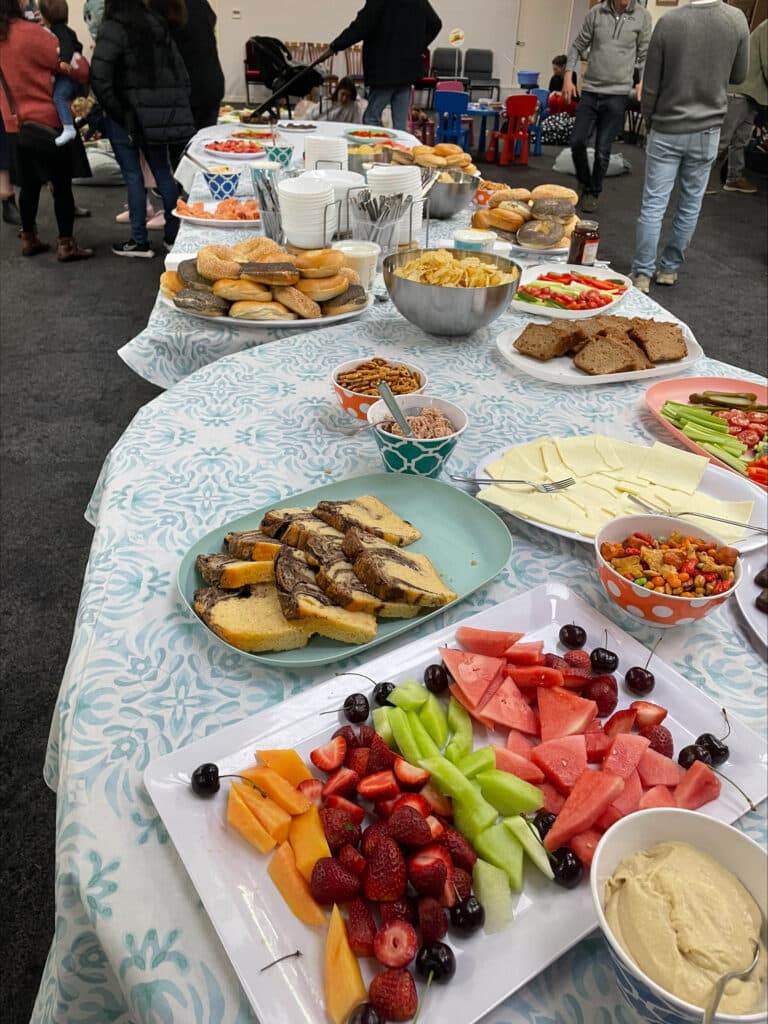
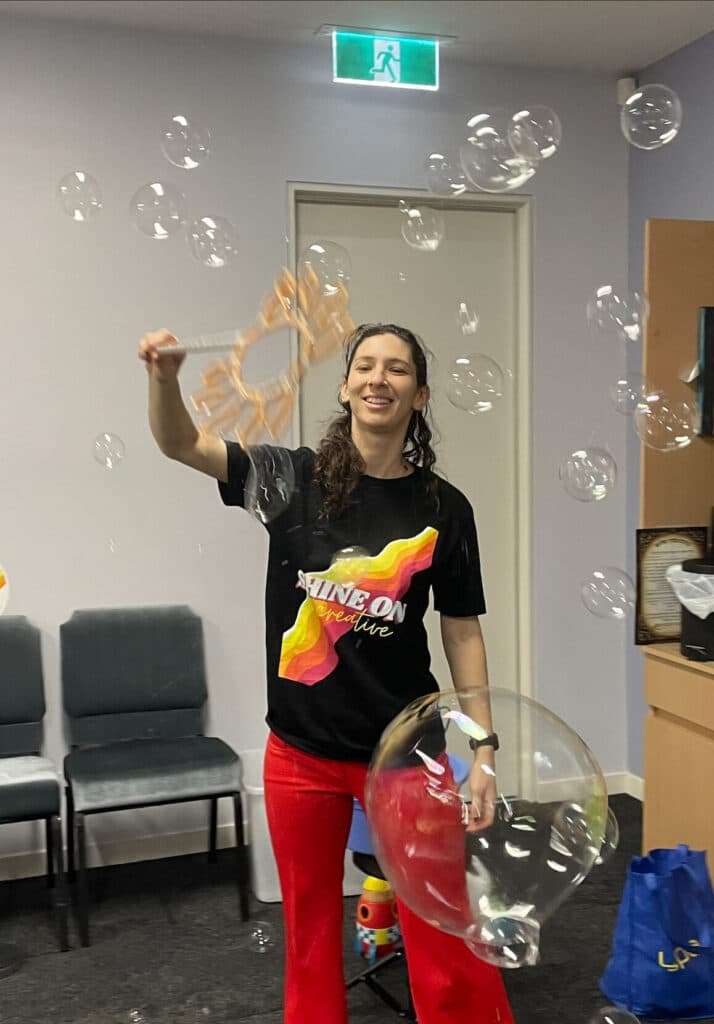
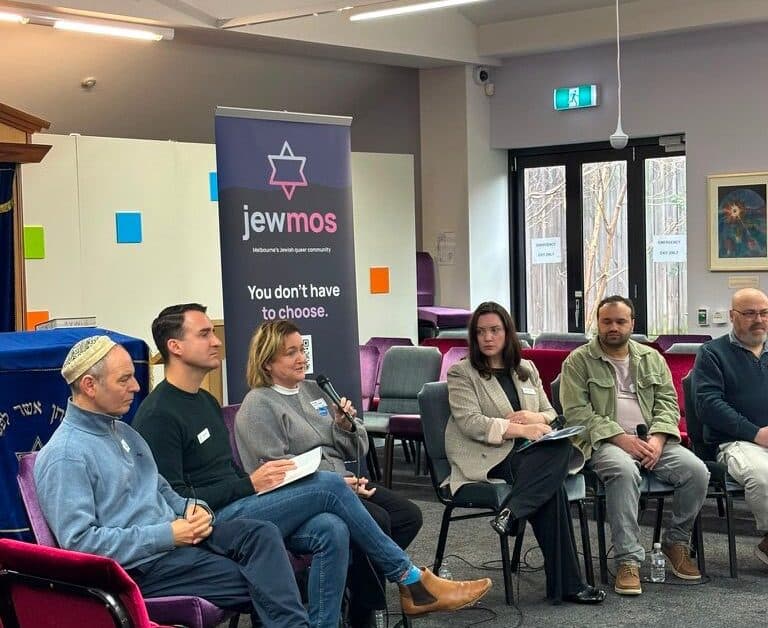
At the Jewmos Rainbow Families Brunch, speakers sometimes had to compete with the sound of children laughing. The children chased giant bubbles in a staffed kids’ corner while, a few metres away, adults discussed donor eggs, surrogacy contracts and whether children conceived through those arrangements would be recognised as Jewish.
Childcare meant parents could stay for the discussion. The noise sometimes made the speakers harder to hear. It also made the morning’s purpose impossible to miss.
I often say I want a boring old life: taxes, a mortgage and the freedom not to be hated, tokenised or constantly celebrated for being gay. The brunch offered a glimpse of that ordinariness. Queerness mattered because it shaped the route to parenthood, but it did not consume the people in the room. They were parents, prospective parents, relatives, professionals and children sharing food on a Sunday morning.
The discussion did not ask whether LGBTQ+ people should become parents. It began with what comes next: how queer Jews can build families, and what role the wider community plays before and after a child is born.
During audience questions at Kehilat Nitzan, one attendee asked where to begin.
“You just started,” replied Adam Braitberg, who became a father through Australian altruistic surrogacy. He urged intended parents to “make your story known”, because a potential donor or surrogate, or someone with experience, may already be in their circle.
Braitberg’s experience bore that out. His older sister donated the egg used to conceive his daughter Gali, while his twin sister carried the pregnancy. Health checks required for the arrangement also led to the detection and treatment of Braitberg’s bowel cancer.