
Published: 15 January 2026
Last updated: 15 January 2026
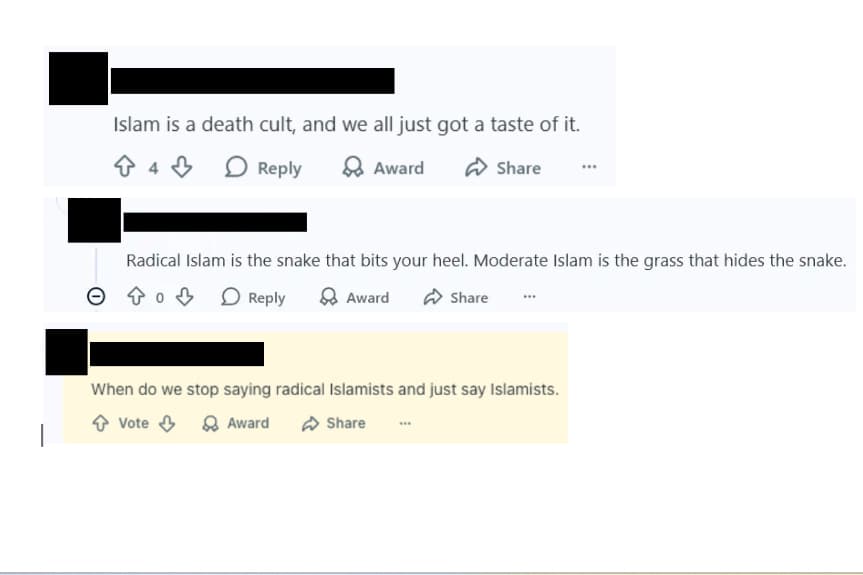
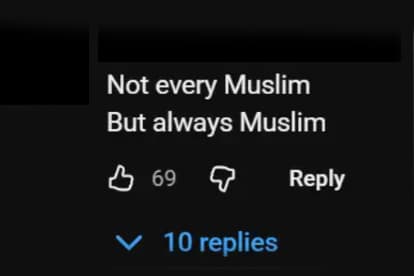
While most Australians responded with sympathy and distress to the murder of 15 innocent people in the antisemitic attack on Bondi Beach, the attack also spurred vicious responses, notably online.
There was a sharp increase in online antisemitism following the attack, including both specific atrocity-related antisemitism and general antisemitism surging.
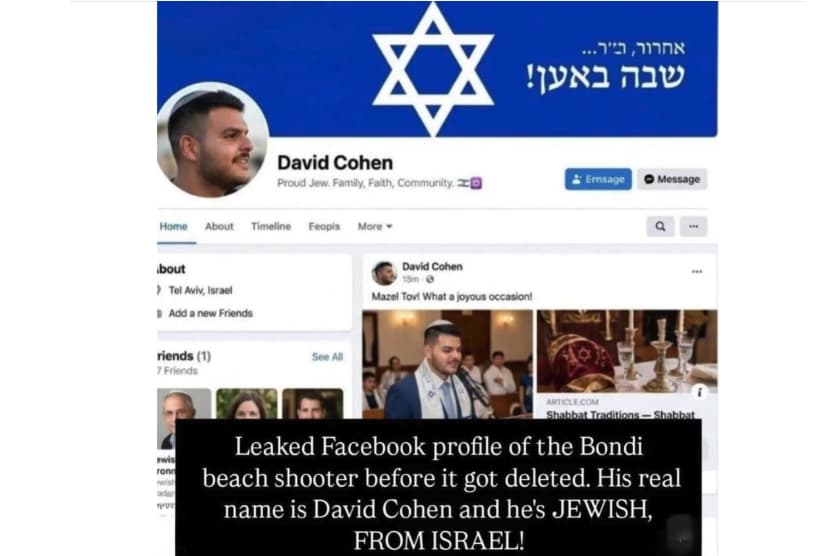
A report into online antisemitism in the wake of the Bondi massacre to be released by the Online Hate Prevention Institute (OHPI) today identified 653 items of online hate content posted between the attack on December 14 2025 and January 11 2026.
Of these, 271 posts used conversations about the massacre to attack Jews through:
- glorification: celebrating the attack
- justification: rationalising the attack
- minimisation: downplaying the attack
- denial and distortion: false flag and crisis actor claims


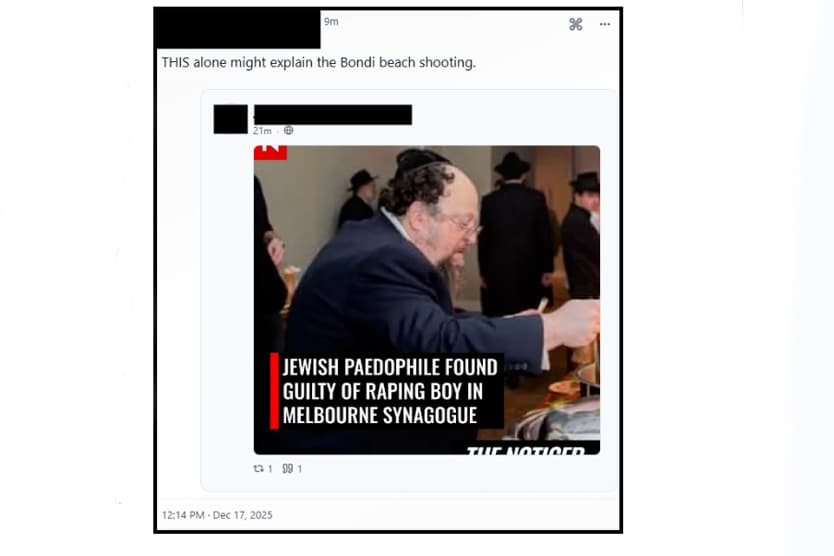


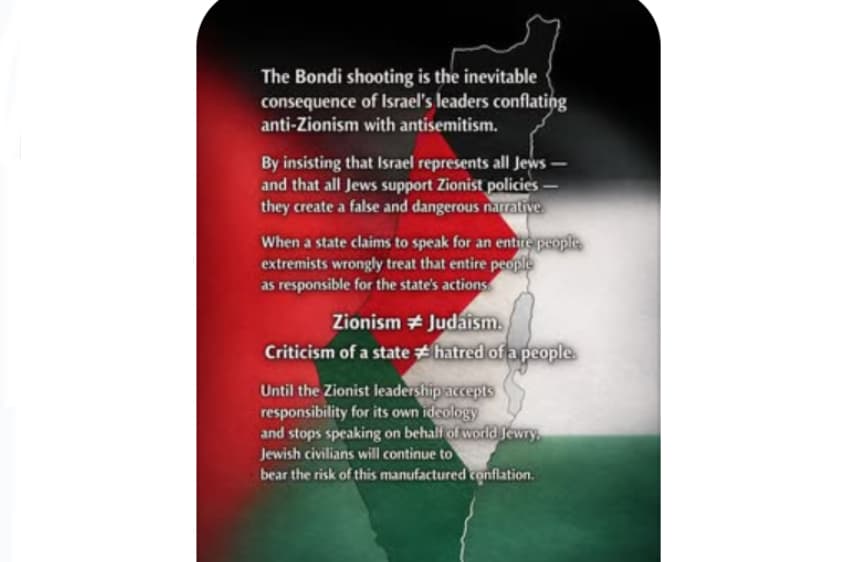
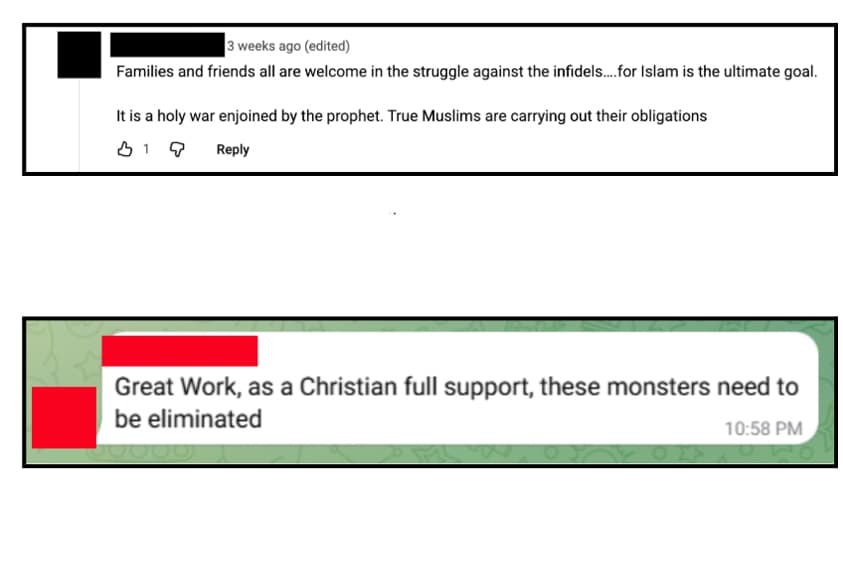

Researchers found the atrocity-related antisemitism followed the pattern of Holocaust denial and October 7 denial.
The attack also sparked a rise in antisemitism not related to the massacre. “There was a gratuitous sharing of antisemitic content unrelated to the atrocity itself, including traditional antisemitism, Israel-related antisemitism, and Holocaust-related antisemitism, in threads discussing the attack and the response to it. There was gaslighting of the Jewish community, a denial of empathy, and claims Jews were seeking to make racism against them more important than other forms of racism. Support and empathy from politicians, sporting legends, business leaders, and other Australians was presented as signs of a Jewish power conspiracy and ‘undue foreign influence’,” the researchers led by OHPI CEO Dr Andre Oboler found.


Comments
No comments on this article yet. Be the first to add your thoughts.