Published: 24 October 2023
Last updated: 5 March 2024
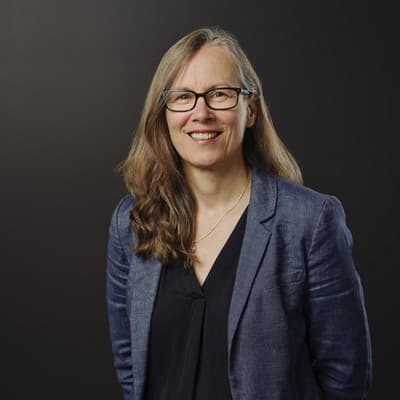
After a seven-year redevelopment, the museum opens next month with a new name, look and purpose. CEO JAYNE JOSEM outlines the highlights of its transformation.
When Jayne Josem became a volunteer at Melbourne’s Holocaust Museum 22 years ago, its walls displayed facts about the Nazi genocide like a 3-D textbook. Information came from a set of four large Holocaust encyclopaedias but the key resource was the people.
“The survivors who founded the museum in 1984 were the living artifacts,” recalls Josem, who is stepping down after a five-year stint as CEO.
The museum began its life in just one building with the purpose of educating, mainly school students, as widely as possible. With community demand it quickly grew, expanding into two buildings, and in the 1990s, undertook its first redesign.
It was in 2010, in her first paid role as curator, that Josem reimagined the exhibition to bring survivors’ stories into the displays and connect donated objects or artifacts to the survivors they had belonged to.
But by 2015, the museum was once again at capacity, and no longer “fit for purpose”.
“The last thing a Holocaust museum wants is to be turning schools away because it can’t accommodate them,” Josem says. “We desperately needed a dedicated gallery to hold special exhibitions without being forced to limit the number of students in the space.”
To that end, in 2016, Josem, along with her staff, the volunteers and board, embarked on a seven-year journey to take the Holocaust Museum into the future.
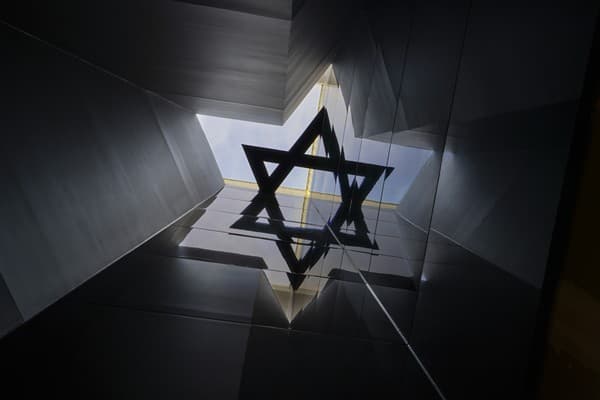
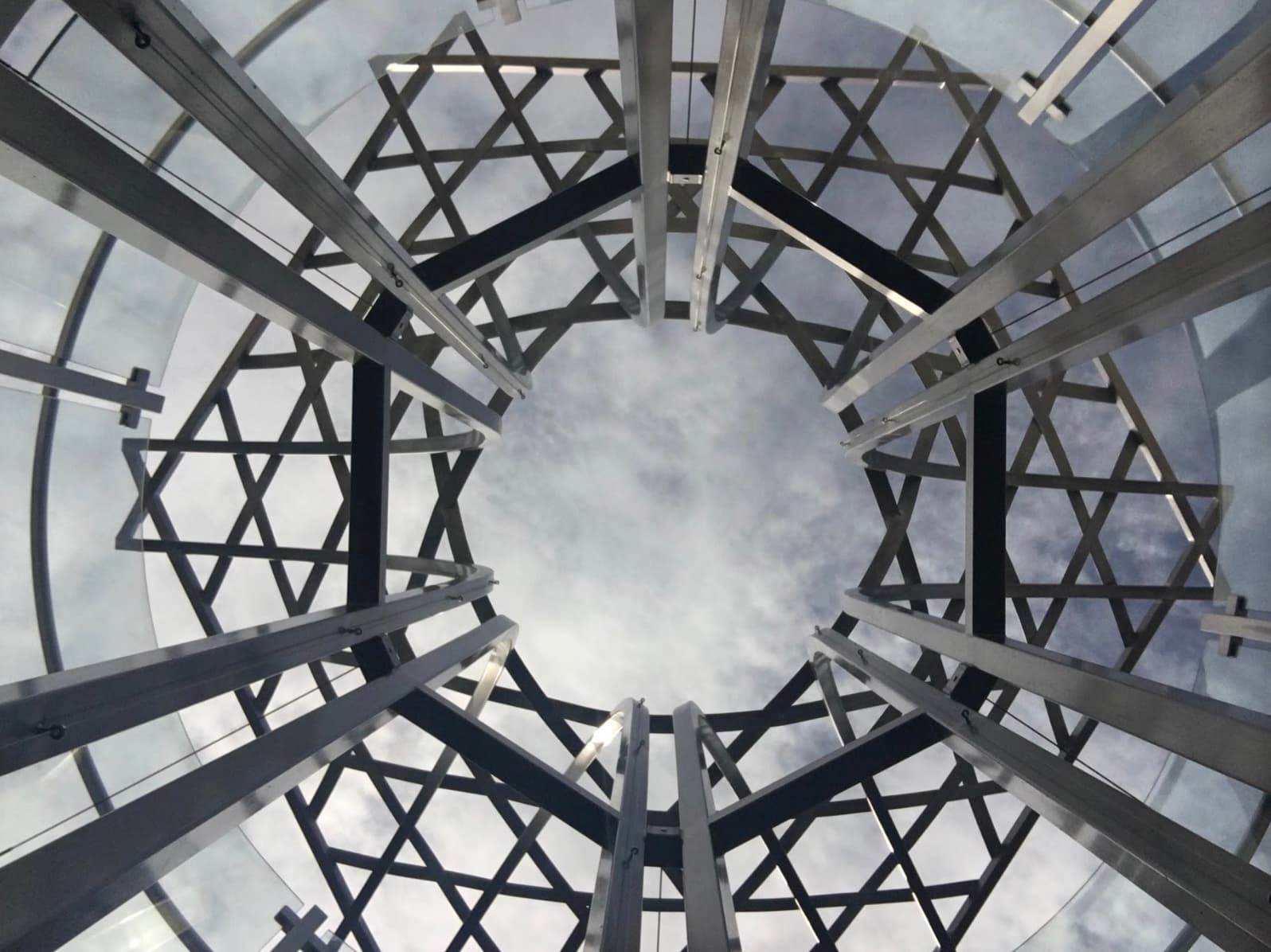
The new version of the museum, renamed the Melbourne Holocaust Museum, and sporting an updated logo, reflects its evolution into a dynamic, modern, multimedia experience.