Published: 24 October 2024
Last updated: 28 October 2024
The Rebbetzin's sukkah was filled with women. Her invitation said a night of cheese and wine in honour of those we’ve all lost since last Simchat Torah. I held her seventh baby in a quiet corner. He breathed softly, looking through the darkness, seeking the source of merriment. His breathing a comfort, a soothing metronome of life. It took me an hour to coax him to sleep.
The Rebbetzin welcomed us and urged us to eat and said quietly that if I wanted to address the crowd, they would welcome words of hope from me. She asked if I wanted to put the baby down, which I did, and the baby immediately woke, without a whimper. I went to mingle with the women.
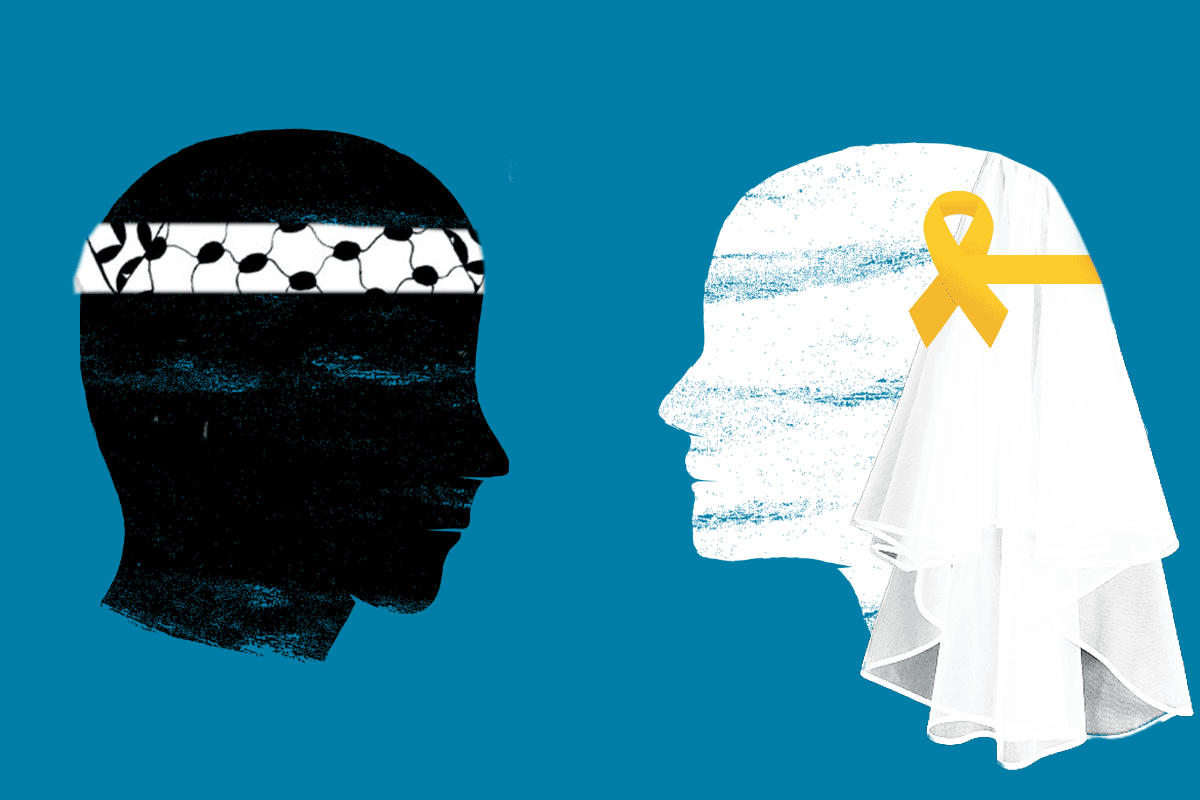
One of them was a teacher at my school. She had just arrived after years as a combat soldier in the IDF. She was engaged to an Australian who wanted to settle near family. The wedding was very soon. But the bride had a dilemma.
I sipped sparkling water. The Rebbetzin approached to say that the women had their fill of food and drink and were hoping for words of hope, and did I have any?
Words of hope don’t spring spontaneously from my back pocket. I have to look for them and turn them over before delivering them. I asked the Rebbetzin for some time.
The soldier bride kept talking. She asked if she should invite her groom’s militantly anti-Zionist brother, who has testified against the Jews before the government, saying antisemitism is a myth and a hoax. He campaigns for the elimination of Jews in Israel, and the expulsion of non-Natives from Australia. Should she allow this man - her groom’s brother - into her wedding?
The baby I held was conceived after October 7 in answer to October 7. He was born on July 4. He is called Amichai, my people live.
![[[:fr:Fez (coiffure)|Fez]] rouge à gland noir, en feutre.](/_next/image/?url=https%3A%2F%2Fjewishindependent.yourcreativeagency.com.au%2Fwp-content%2Fuploads%2F2026%2F10%2Ffez-cap-eisenkot-netanyahu.jpg&w=3840&q=75)