Aa
  • Read, Watch, Listen
  • TJI Series
  • Community Action
  • Events
  • Zedi
Follow us and continue the conversation
  • LinkedIn
  • Instagram
  • FaceBook
  • X
  • YouTube
Test yourself with the TJI Quiz!

Adjust size of text

Aa

Follow us and continue the conversation

  • LinkedIn
  • Instagram
  • FaceBook
  • X
  • YouTube

Your saved articles

You haven't saved any articles

What are you looking for?

Original reporting, insightful analysis and diverse views, delivered straight to your inbox

  • LinkedIn
  • Instagram
  • FaceBook
  • X
  • YouTube
Your support fuels our mission to inform, entertain and inspire.

The Jewish Independent is bound by the Standards of Practice of the Australian Press Council. If you believe the Standards may have been breached, you may approach The Jewish Independent or make a complaint to the Australian Press Council in writing at www.presscouncil.org.au. The Council may also be contacted on 1800 025 712.

  • Our Story
  • Contact us
  • Our Team
  • Support us
  • Guidelines
  • Pitch your idea
  • Republishing us
  • Community Action
  • Our Awards
  • LinkedIn
  • Instagram
  • FaceBook
  • X
  • YouTube
Aboriginal FlagTorres Strait Islanders Flag

The Jewish Independent acknowledges Aboriginal and Torres Strait Islander peoples as the Traditional Owners and Custodians of Country throughout Australia. We pay our respects to Elders past and present, and strive to honour their rich history of storytelling in our work and mission.

© The Jewish Independent 2026All Rights Reserved
Website design and development by Your Creative, MelbourneTerms & ConditionsPrivacy Policy
HomeRead, Watch, ListenIsrael
OpinionIsrael

A new generation faces war

Ittay Flescher
Print this
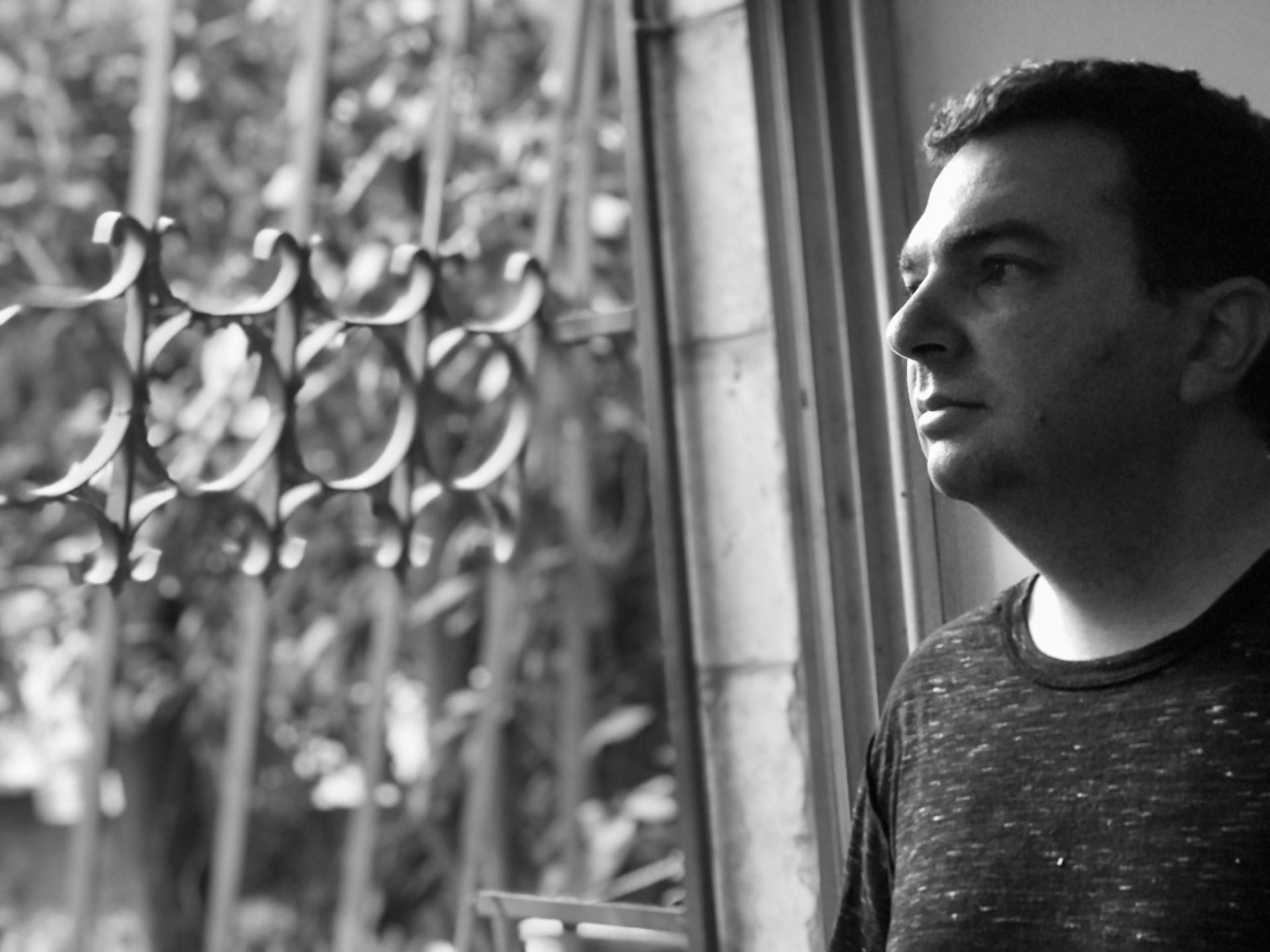
Ittay window

Published: 9 October 2023

Last updated: 5 March 2024

Sheltering in his Jerusalem basement, ITTAY FLESCHER shares a personal reflection on how his family is facing war.

Fifty years ago on Yom Kippur, my father broke his fast at 2pm as sirens sounded above the Ramat Gan synagogue where he had come to pray Avinu Malkeinu. Within hours he had replaced his white shirt for army greens and was off to war, the third in his life at only 23.  By the time it was Sukkot, he was in a tank fighting the Egyptians in the Sinai Peninsula.

Fifty years and one day later, I began my Simchat Torah by waking my children up from their deep sleep on a Shabbat morning as sirens sounded above our Jerusalem apartment. We went down to the basement shelter but forgot to bring the keys, so we waited it out in the stairwell, laughing at what we presumed was a false alarm. 

By the third siren that morning, we had the shelter unlocked, tidied and equipped with enough folding chairs for us and all the neighbours. We would continue to run up and down over the next four hours, not pausing and certainly not laughing for a moment after we realised the severity of what was unfolding in the south.  

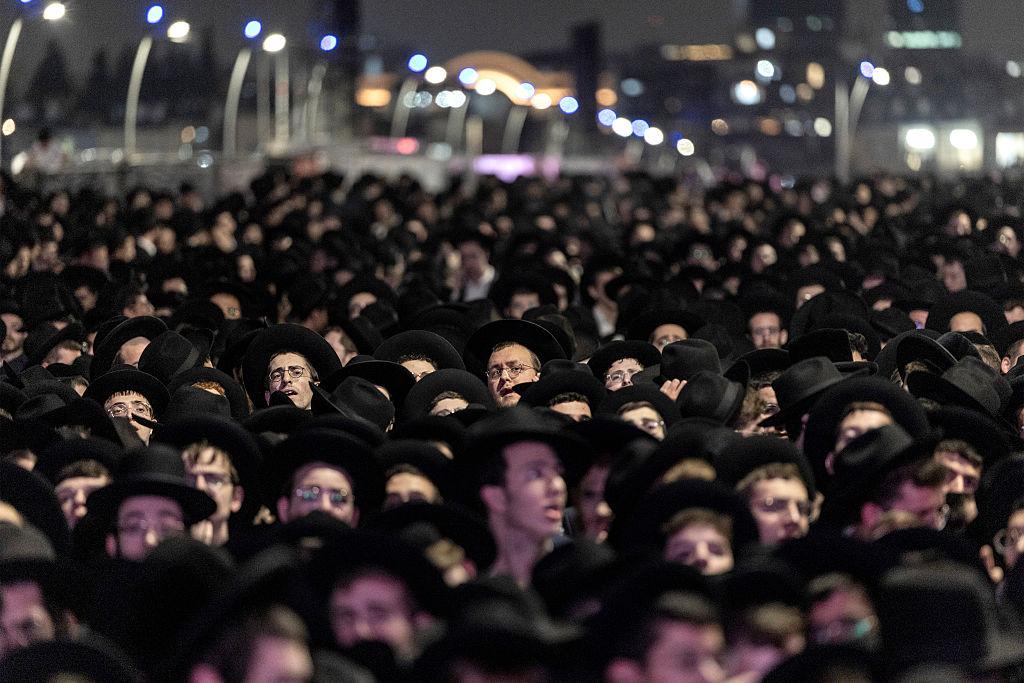
During the fifth siren, a family from upstairs who had been in the synagogue that morning celebrating Simchat Torah asked me what was going on. Their religious observance forbade them from opening the news. It felt completely surreal to me that they could return again and again to the bomb shelter without knowing what was happening. They had danced with the Torah, heard sirens and run to the shul’s shelter where they said psalms. After the ten-minute required wait, they returned to the synagogue and continued dancing with the Torah, before repeating the rush to the shelter for psalms several times that morning. 

For many of us, and especially those living in the south, our security feels like that of a Sukkah, temporary, fragile and subject to forces beyond our control.

My 11-year-old son, who still speaks English with a broad Aussie accent and usually has zero interest in anything other than video games, asked who was firing rockets at us and why. He also wanted a history lesson on how we got here. I explain what’s going on in Israel to audiences around the world for a living, so I thought this would be an easy question to answer, but as soon as I started talking, I was lost for words. 

I didn’t know where to start. Should I tell him about the horrific videos I was seeing on Instagram? About the shootings at the outdoor music festival on the Gaza border? About the children taken captive from their living rooms on kibbutzim and Hamas gunmen roaming the streets of Sderot? Definitely not, I thought, that would freak him out. 

Should I then tell him then about Hamas, what this organisation seeks to achieve and why they want to harm us? That I did answer, but then the questions kept coming. How is Gaza different from Jerusalem? How many people live there? What is a siege? Why has it been there for so long? Why are they so angry with us? What’s going to happen tomorrow? Will I go to school? Some questions I could answer, others I could not.

I kept receiving WhatsApp messages every few minutes, from my professional colleagues at The Jewish Independent and Kids4Peace, as well as friends in Australia and the US and even other parts of Israel. “Are you ok?” they asked.

I said we were fine, but all I could think about was the Yom Kippur War. Maybe because I’ve been watching the many documentaries about the catastrophic October war that has flooded our TV screens over the past month, I kept thinking about how history never changes, it only repeats. 

I couldn’t help but compare the Yom Kippur War of 1973 to the Simchat Torah War of 2023, where again we were attacked by surprise. Again, the horror of violence against civilians living on our border is too brutal to describe. Again the shock. Again the devastating response against Gaza with hundreds of casualties.  Again the tears of the bereaved parents, the pain of families who don’t know the fate of their loved ones taken hostage, the fear for the wellbeing of every son and daughter, every spouse or sibling, called up for reserves.

Israelis who woke up today excited to dance with the Torah in a public square or at a music festival near the Gaza border now lie lifeless under white prayer shawls as they await burial in the earth of the promised land. 

In the coming days, the funerals will begin. Every heartbreaking, angry and shattered eulogy will be aired live, and we will mourn as a nation from our couches and bomb shelters as we empathise with the pain and loss of each family. 

This period in the Jewish calendar is often called “after the chaggim (festivals)” in Israel. It is usually the time when everyone goes back to school, to work and to the routines of daily life. Now, for many of us, and especially those living in the south, our security feels like that of a Sukkah, temporary, fragile, and subject to forces beyond our control.  
Yesterday, I asked an elderly neighbour in our bomb shelter, "Does this feel like the Yom Kippur War?" He then shared with great detail when was the moment we were invaded by Syria, and how the war affected his life. 

In years to come, we will ask each other, "Where were you on the first day of the Simchat Torah War?" This day will be etched in our memories as the beginning to a war no less than the war my father fought in 50 years ago.

You might also like
  • Flooding and illness increase urgency of humanitarian relief in Gaza
    Shahar Burla
  • Alleged Helen Haines attacker wrote anti-Israel, pro-Iran posts
    Deborah Stone
  • Security fears and incitement drive young voters toward far-right
    Ben Lynfield
logomark.67a07ee3
We believe in the free flow of information

Republish our articles for free, online or in print, by using our Creative Commons licence

You might also like

    Arab Israeli Palestinian election vote
    Israel Votes 2026AnalysisIsrael

    Netanyahu pushed Shin Bet head to spread racist misinformation at election

    Eetta Prince-Gibson
    Haredi United Torah Judaism
    Israel Votes 2026AnalysisIsrael

    Haredi party may change sides, enabling Eisenkot to form new government

    Shahar Burla
    August Victoria Hospital
    PeacebuildingOpinionIsrael

    My vision for Palestinian cancer patients

    David Adler

About the author

Ittay Flescher

Ittay Flescher

Ittay Flescher is the Jerusalem Correspondent for The Jewish Independent. For over 20 years, he has worked as an educator, journalist, and peacebuilder in Melbourne and Jerusalem. His book, The Holy and the Broken: A Cry for Israeli-Palestinian Peace from a Land that Must Be Shared, was longlisted for the 2025 Walkley Book Awards.

More from the author

FeatureArts & Culture

The eight most Jewish songs of Leonard Cohen

OpinionIsrael

Even on October 7, we are not united

AnalysisArts & Culture

Fauda and the illusion of vengeance

AnalysisIsrael

What ‘Zionism’ means in Israel:  it’s not what you think