Published: 22 August 2023
Last updated: 5 March 2024
ISABEL KERSHNER's new book looks at generational change within Israel’s diverse communities. ELHANAN MILLER asks the New York Times correspondent what she found.
On June 7, 2015, Israeli president Reuven Rivlin delivered a landmark speech which would come to be known as “the four tribes speech”. In it, he outlined Israel’s societal transition from a country defined by a clear secular Jewish majority with small minority groups, to a country with four “tribes” almost equal in size: secular Jews, National-Religious Jews, Ultra-Orthodox Jews, and Arab Israelis. These tribes, Rivlin argued, are struggling over “who we are and who we want to be”.
In her new book, The Land of Hope and Fear: Israel’s Battle for its Inner Soul, veteran journalist Isabel Kershner uses Rivlin’s tribe paradigm to produce a snapshot of contemporary Israel. But her tribes are more complex and elusive than Rivlin’s. She dedicates entire chapters to the Mizrahi struggle over access to the Asi Stream in Kibbutz Nir David, the disgruntled second-generation Soviet immigrants, and the country’s burgeoning high-tech sector.
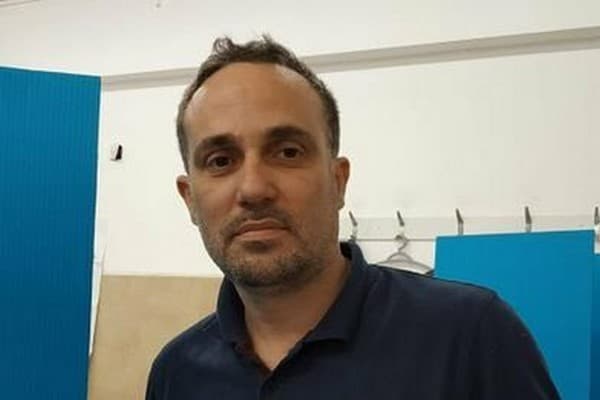
Chapter seven of the book, titled Haredi and Israeli: Having it all, offers a fresh look at Israel’s Ultra-Orthodox society. A fascinating conversation with digital journalist Yanki Farber, representing the new Haredi generation of iconoclastic activists who no longer conform to diktats of the rabbis, sheds light on the dramatic changes within the community.
"If you want to understand what's happening now on the streets of Israel, you have to look far back. It goes very deep."
Farber, who served in a designated Haredi battalion in the army, dismisses the fears of mainstream Israel of an Ultra-Orthodox takeover of Israeli society. Only five of the 15 siblings in his family had brought 10 children into this world, he tells Kershner. “That’s fifty. The rest have two or three.”