Published: 28 November 2023
Last updated: 5 March 2024
Israel has agreed to extend the ceasefire for two days in exchange for 20 more hostages. Analysts explore what the hostage deal means for strategy, ethics and the future of Israelis and Palestinians.
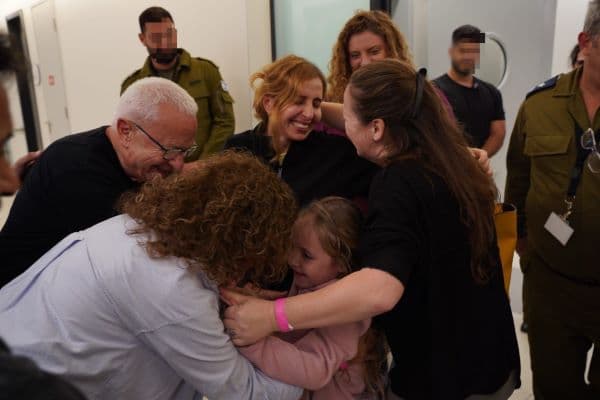
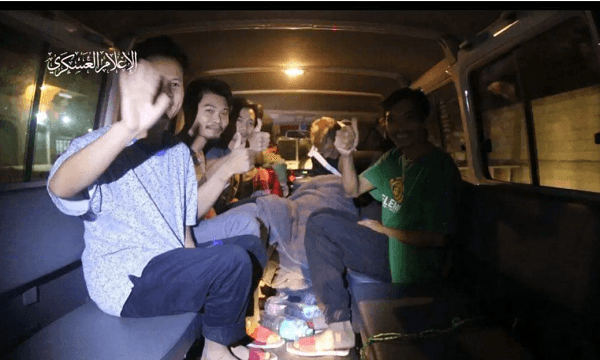
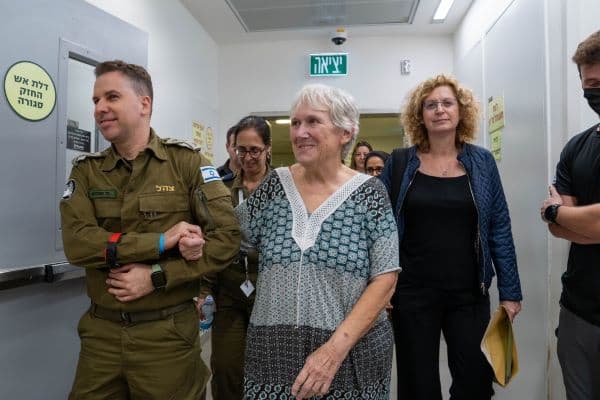
Thirty-nine Israeli and 10 Thai hostages have been released so far and another 11 Israelis are expected to be released today. The ceasefire was due to end on Tuesday but Hamas has agreed to release 20 more hostages in exchange for two more days of ceasefire. Israel says it will extend the ceasefire by a day for every 10 hostages released.
IDF messaging suggests Gaza truce unlikely to last much beyond Tuesday (Dan Sabbagh, Guardian)
Gaza’s truce is unlikely to last significantly beyond Tuesday, with Israel’s military stepping up pressure on Sunday to restart the air and ground offensive in a campaign that some experts predict could run into next year.
The four-day halt in fighting, described by the Israel Defence Forces (IDF) as “an operational pause”, is scheduled to end on 7am on Tuesday if the agreed transfer of 50 hostages held by Hamas and others in Gaza goes to plan.
There is an expectation in many quarters that the pause will be extended for a few days, and the current agreement allows for an extra day’s truce for every 10 hostages Hamas is willing to release.
It is estimated there were another 40 children and women who are not soldiers and who were not covered by the initial agreement, giving scope for more phased releases, although not all the hostages are under the direct control of Hamas, but instead Palestinian Jihad or other, smaller armed groups.
That may lead to several days of extensions, but the IDF has been unambiguously signalling its desire to restart the military campaign. It’s head, General Herzi Halevi, put out an uncompromising message to all of the country’s soldiers on Sunday morning.