Aa
  • Read, Watch, Listen
  • TJI Series
  • Community Action
  • Events
  • Zedi
Follow us and continue the conversation
  • LinkedIn
  • Instagram
  • FaceBook
  • X
  • YouTube
Test yourself with the TJI Quiz!

Adjust size of text

Aa

Follow us and continue the conversation

  • LinkedIn
  • Instagram
  • FaceBook
  • X
  • YouTube

Your saved articles

You haven't saved any articles

What are you looking for?

Original reporting, insightful analysis and diverse views, delivered straight to your inbox

  • LinkedIn
  • Instagram
  • FaceBook
  • X
  • YouTube
Your support fuels our mission to inform, entertain and inspire.

The Jewish Independent is bound by the Standards of Practice of the Australian Press Council. If you believe the Standards may have been breached, you may approach The Jewish Independent or make a complaint to the Australian Press Council in writing at www.presscouncil.org.au. The Council may also be contacted on 1800 025 712.

  • Our Story
  • Contact us
  • Our Team
  • Support us
  • Guidelines
  • Pitch your idea
  • Republishing us
  • Community Action
  • Our Awards
  • LinkedIn
  • Instagram
  • FaceBook
  • X
  • YouTube
Aboriginal FlagTorres Strait Islanders Flag

The Jewish Independent acknowledges Aboriginal and Torres Strait Islander peoples as the Traditional Owners and Custodians of Country throughout Australia. We pay our respects to Elders past and present, and strive to honour their rich history of storytelling in our work and mission.

© The Jewish Independent 2026All Rights Reserved
Website design and development by Your Creative, MelbourneTerms & ConditionsPrivacy Policy
HomeRead, Watch, ListenLifestyle
FeatureLifestyle

Fasting and feasting: Yom Kippur inspiration from five Jewish Australians

What do you eat before and after the Yom Kippur fast? A foodie, dietician, grandmother, caterer, and rabbi share their tips and traditions.
Elana Benjamin
Print this
fasting and feasting

Illustration: TJI

Published: 9 October 2024

Last updated: 17 April 2026

When we were first dating, I couldn’t believe my now-husband’s (Ashkenazi) family broke their Yom Kippur fast on roast chicken. He was shocked to hear that my (Sephardi-Mizrahi) family broke ours on Iraqi-Jewish sweets and baked treats. Even after we married, for some years my husband would break his fast with me on tea, date babas (date-filled biscuits) and cheese samoosas (cheese-filled pastries), and then head to his mum’s for a meat meal.

Many families have their own traditions for starting and breaking the fast. A friend insists on drinking coconut water before fasting, my mother swears by dark chocolate and some South African Jews down a mix of Coca-Cola and milk they call “brown cows”.

We asked five Jewish Australians share their pre- and post-Yom Kippur tips and traditions.
The Jewish Independent

The Foodie: Lisa Goldberg

Lisa Goldberg grew up in Melbourne in a Polish-Ashkenazi family, with a pre-fast meal that included boiled chicken and apple compote. Goldberg remembers how she felt “absolutely sick and stuffed” afterwards, which informs how she cooks for her own family’s pre-fast meal. “I don’t ever want to go to Kol Nidre again and sit in shul feeling like I’ve overeaten.”

Goldberg says she used to think her pre-fast meal had to be traditional Jewish food, but she now makes a very light dinner. This year, her family will be starting their fast on their favourite meal: pasta with homemade tomato sauce and mozzarella, plus salad and honey cake.

For breaking the fast, Goldberg’s mother always packed food in their car, and after shul finished “we’d open the boot and stand there eating honey cake and drinking TAB [cola].” That would be followed by a feast which Goldberg describes as “the most wonderful breaking-fast meal” with chopped liver, herring and challah; cholent, roast chicken and potatoes.
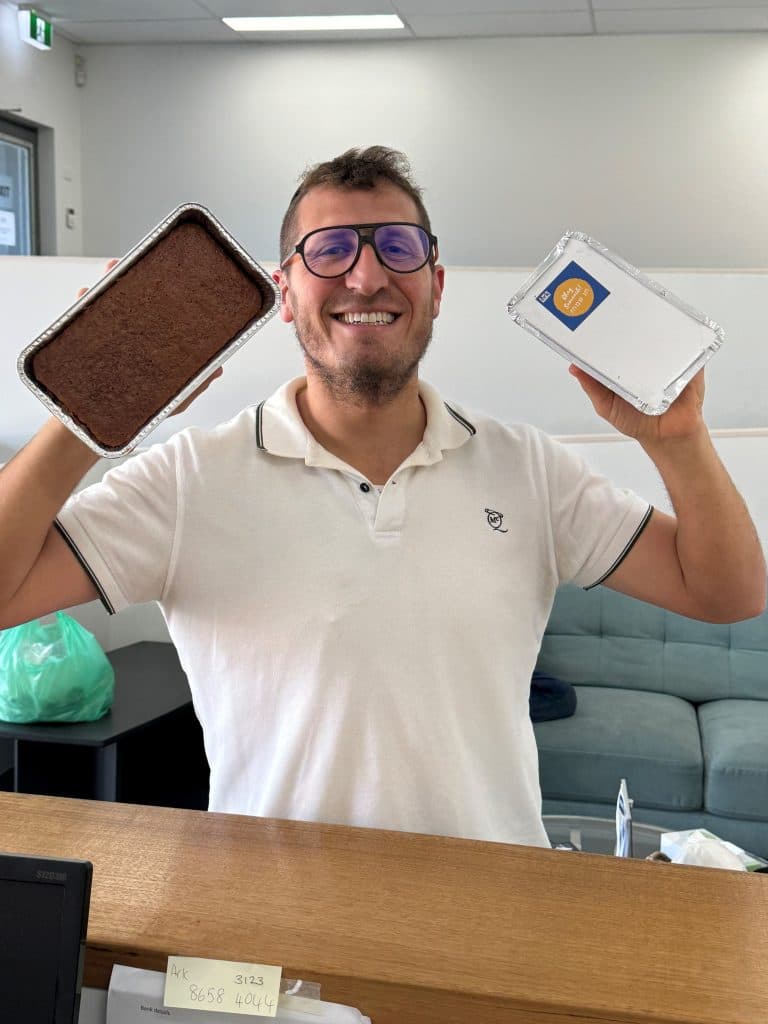
Now her dream would be to break the fast on just tea, cinnamon babka and honey cake but her family “would not accept that in any way”. So, tea and cake will be followed by a main meal, most likely cholent – unless it’s a super-hot Sydney day, in which case she’ll reassess.

Goldberg says she aims to put on “a good Jewish spread” and make her guests feel joyous post-fast but without going overboard. “Everyone comes home from neilah ravenous, then they go nuts and just end up holding their bellies in pain. So, you’ve got to find the balance.”

The Jewish Independent

The Rabbi: Gabi Kaltmann

Melbourne-based Rabbi Gabi Kaltmann follows the system dictated by the Shulchan Aruch (Code of Jewish Law), eating two meals on the day before Yom Kippur: a festive meal in the morning or early afternoon, and a lighter ‘Seudat Hamafseket’ (separation meal) prior to fasting.

His family typically begin their first meal with challah and honey, followed by salmon or gefilte fish, soup with kreplach (meat-filled squares of pasta, “a strong custom in many [Ashkenazi] communities”), and a meat meal such as chicken, with jelly or pareve ice-cream for dessert.

The second meal is usually more challah and honey , plus soup (no kreplach this time), salad and chicken.

Kaltmann suggests eating cucumbers and watermelon prior to the fast, due to their high water content. He also suggests avoiding foods that cause flatulence because “it’s not fair if you’re gassy in shul.”

Kaltmann is a four-cup-a-day coffee drinker, including one or two barista-made. In the past, he’s tried weaning himself off coffee leading up to the fast but found it too hard. Now he goes cold turkey and says he’s fine, even though he admits that on a regular day, he’d feel it if he didn’t have his caffeine fix by 11am. “On Yom Kippur I find an inner strength.”

As soon as the fast ends, Kaltmann’s congregants are served water, cake and watermelon. The Shulchan Aruch says we’re supposed to eat another festive meal after the fast. Kaltmann opts for a vegetable-rich, high-protein meal of soup, fish and salad. “It’s hard to eat a lot after the fast,” he says, although I’m not sure all of us would agree.

The Jewish Independent

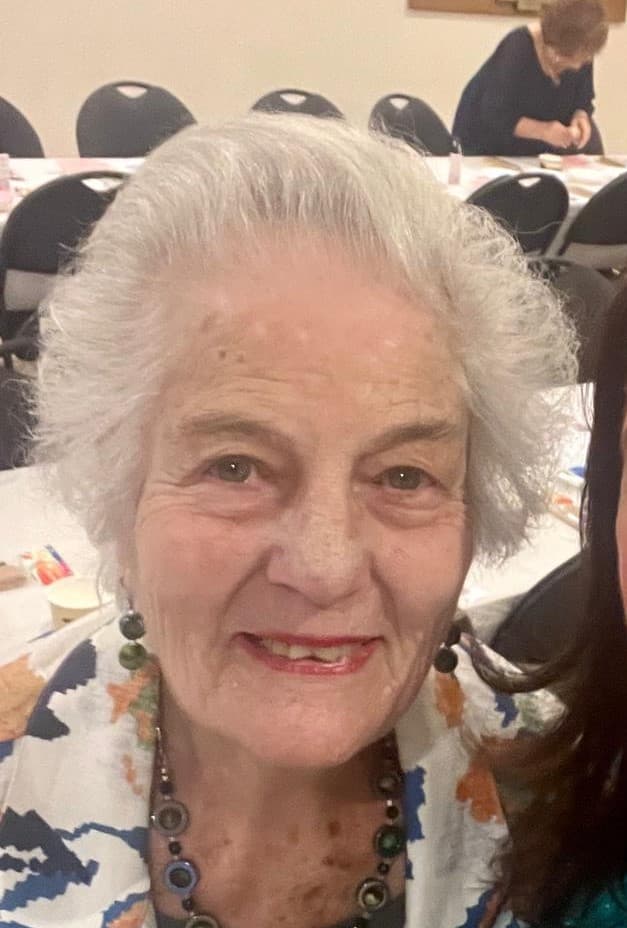
The Grandmother: Viviane Levy

Egyptian-born-and-raised Viviane Levy, now 87, says that over her many fasts, she’s learned that “the less you eat, the better it is for the fast.”

For the pre-fast meal, Levy used to cook chicken soup with flat, square pasta; roast chicken and fried potatoes; a baked pasta with chicken liver, giblets, turmeric and egg in a lemon sauce, followed by Turkish coffee and menena (date-filled biscuits). After brushing her teeth, she’d clean her mouth with a little lemon juice.

But times have changed: Levy’s children are grown and have their own children. This year, Levy plans to start her fast (“of course I’m fasting!”) on chicken soup with pasta and boiled chicken, which, she says, is all she needs. This will be followed by Turkish coffee and if she has any, a menena or two.

To break the fast, Levy’s go-to is Turkish coffee, followed by cheese sambusak, menena, and ghorayeba (a Greek shortbread biscuit dusted with icing sugar), and perhaps a piece of cheese. Much later, she’ll have leftovers from the pre-Kol Nidre meal: chicken soup and boiled chicken.

Levy points out that honey cake was never part of her pre- or post-fast cuisine: “Sephardim don’t traditionally eat honey cake.”

The Jewish Independent

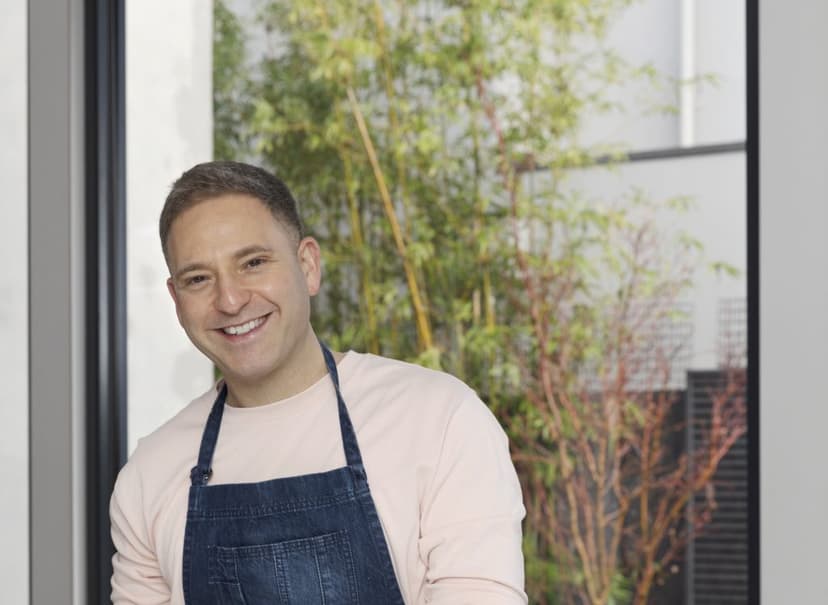
The Dietitian: Joel Feren

Melbourne-based dietitian and nutrition consultant, Joel Feren, says that it’s easy to treat the pre-fast meal as a last supper, but warns that overeating before or after the fast can lead to indigestion and discomfort.

Feren recommends starting the fast with a light meal that’s high in fibre, which helps keep us fuller for longer. “Meal options include meat, chicken or fish with potatoes, quinoa or wholemeal pasta plenty of vegetables, or a plant-based meal such as vegetarian cholent with lots of beans.”

Feren also stresses the importance of hydrating before the fast – especially for those walking to shul since exercise can increase fluid loss – and eating low-salt foods, which means it’s best to skip the herring and smoked salmon.

Feren tends to raid the nut jar after his pre-fast meal, always choosing raw, unsalted nuts for healthy fats and fibre. But he says there are no magic foods that make a fast easier and suggests focusing on “the overall quality of your meal rather than individual components.”

Post-fast, Feren recommends opting for a light meal to leave us “satisfied but not bursting at the seams.” One way to do this, he says, is to fill a quarter of our plate with protein, a quarter with carbohydrate, and the remainder with salad and/or cooked vegetables. “The main issue I see post-fast is people overeating.”

The Jewish Independent

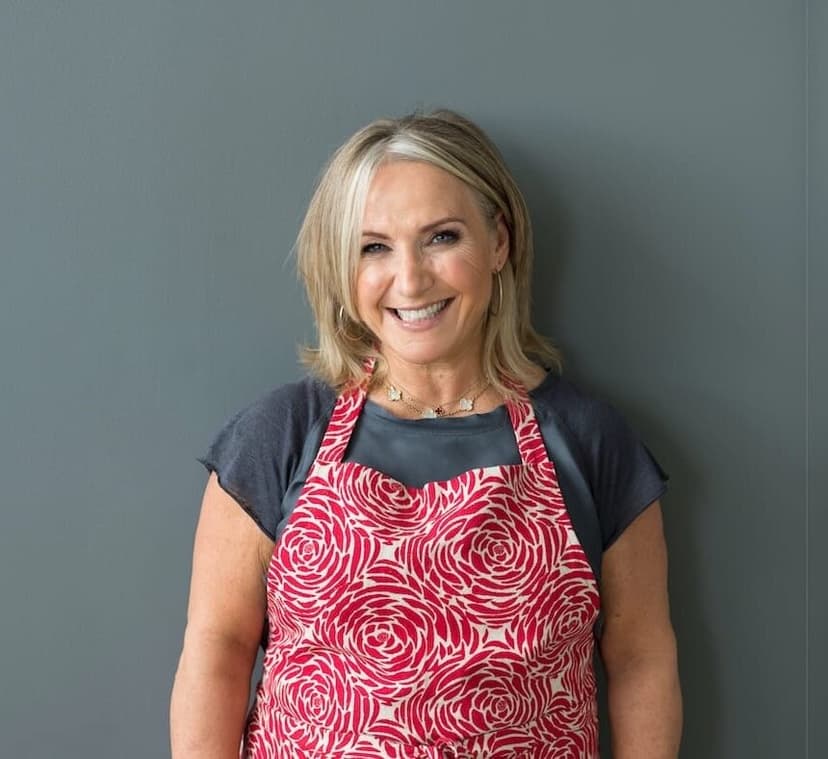
The Caterer: Jodi Lyons

Caterer, baker and food artist Jodi Lyons immigrated to Sydney from Johannesburg in 2008. Her focus is on enjoying the meal before the fast and preparing a tasty, nutritious meal to “feel like you can last the fast better.” She also tries to drink a lot of water during the day leading up to the fast.

Lyons’ pre-fast dinner will feature the lamb shanks she loves; slow-cooked with onion, a little garlic and lots of fresh mint, alongside a sweet potato mash and grilled vegetables like carrots, capsicum and zucchini. She’ll also serve a salad with lots of healthy fats including avocado, nuts and olive oil. And there’ll be fruit salad for dessert.

“I don’t see why food has to be bland,” Lyons says, referring to the poached chicken, boiled vegetables, white rice and jelly that were served pre-fast in her childhood home. “It wasn’t appetising, and I remember not eating very much. And if you’re not going to eat the meal, you’re going to get hungry anyway.”

Lyons always breaks her fast on freshly-squeezed orange juice and cinnamon bulkas (yeast buns). That’s followed by salmon (either baked or smoked) and salad, always with avocado added to “put all the nutrients back in after fasting”. She finishes with fruit salad, ice-cream and crème caramel – her mother’s signature dessert.

Lyons makes crème caramel as a way of connecting to her mother, who is still in South Africa. “I like to keep that tradition going and sharing it with family is special.”

You might also like
  • Ten ways to reflect, repair and renew this Yom Kippur
    Hannah Lundberg
  • Facing my mortality, the Book of Life is no metaphor
    Talia Slonim
  • Jewish Futurism? We’ve been practising it for millennia 
    Renata Zimbarg
logomark.67a07ee3
We believe in the free flow of information

Republish our articles for free, online or in print, by using our Creative Commons licence

You might also like

    Generation change Template
    Generation ChangeInterviewAustralia

    Ash Densham: Building community through Humanistic Judaism

    Gideon Cohen
    Neurodivergence panel
    VideoLifestyle

    Neurodivergence and inclusion in the Jcom

    The Jewish Independent
    tame kostakidis west
    AnalysisAustralia

    How not to apologise

    Zac Klugman

About the author

Elana Benjamin

Elana Benjamin

Elana Benjamin is a Sydney-based writer whose articles have been published widely, including in Good Weekend, Sunday Life and the Sydney Morning Herald. Elana is also the author of ‘Indian-Jewish Food: Recipes and Stories from the Backstreets of Bondi’, which is out now.

More from the author

ReflectionArts & Culture

At last, a writers festival invites Ruptured authors to speak

FeatureAustralia

In western Sydney, a thriving Jewish community looks to the future

ReflectionLifestyle

How do introverts fit into Jewish life?

InterviewArts & Culture

Why the Jewish way of reading is perfect for getting children to read

Comments

No comments on this article yet. Be the first to add your thoughts.