Published: 5 October 2026
Last updated: 7 October 2026
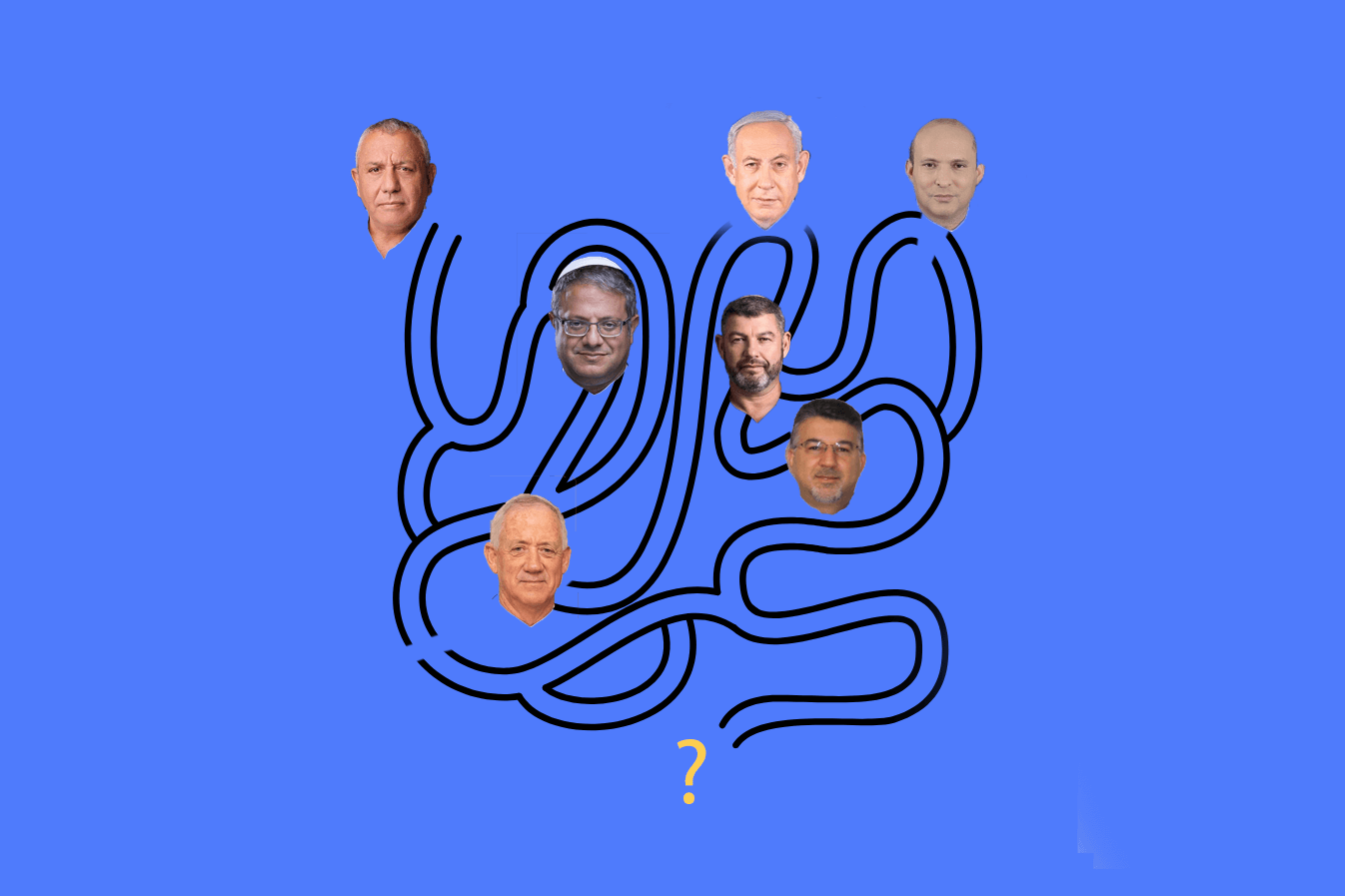
As Israel approaches one of the most consequential elections in its history, political debate has centred on national security, governance and domestic affairs. Yet one constituency will live with the repercussions of this election without casting a single vote: the millions of Jews living beyond Israel's borders.
For decades, the relationship between Israel and the Diaspora was largely expressed through shared identity, philanthropy, advocacy and solidarity. October 7 fundamentally altered that equation. The question is no longer simply whether the Diaspora stands with Israel; it is how Jews around the world live with the consequences of decisions made in Jerusalem while navigating their place in their own societies.
In 2015, then-President Reuven Rivlin offered one of the most compelling visions of modern Jewish peoplehood. Building on his idea of the Four Tribes in Israel’s changing society – secular, national-religious, ultra-Orthodox and Arab Israelis – he later embraced Diaspora Jewry as Israel's Fifth Tribe. It was a novel proposition. Jews living outside Israel were not supporters from afar; they were partners in a national story. Their connection with Israel was rooted not in citizenship, but in a sense of shared destiny.
Today, that vision feels remarkably prophetic.

The aftermath of October 7 has demonstrated how developments in Israel reverberate far beyond the country itself. Around the world, Jews have found themselves expected to explain, defend or distance themselves from Israel’s military actions and political rhetoric. Universities, workplaces, civic institutions and even private interactions have become places where Jewish identity is conflated with the conduct of the Israeli state.
![[[:fr:Fez (coiffure)|Fez]] rouge à gland noir, en feutre.](/_next/image/?url=https%3A%2F%2Fjewishindependent.yourcreativeagency.com.au%2Fwp-content%2Fuploads%2F2026%2F10%2Ffez-cap-eisenkot-netanyahu.jpg&w=3840&q=75)