Published: 4 September 2025
Last updated: 4 September 2025
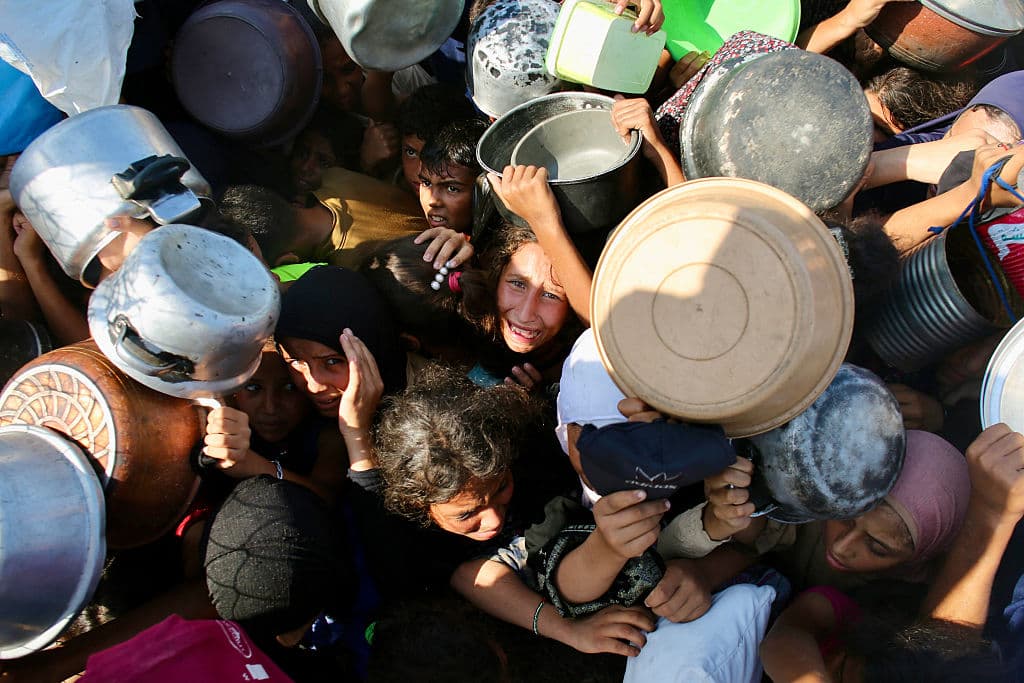
The widespread reports of mass starvation in Gaza have confronted Israel with the greatest moral challenge of its war against Hamas. Its repeated denials, without compelling evidence, have plunged the government’s reputation to a new low. They have also raised questions about the wisdom of its decision to ban Western media from independent reporting in Gaza.
If The New York Times, Washington Post, CNN, BBC and others had been allowed in, would their resources, fact-checking, and comfort with contradiction have unearthed the evidence that Israel has failed to produce, to cast credible doubt on the starvation that it still claims is a Hamas fabrication?
Or would they have confirmed the existence of widespread hunger, including famine in parts of Gaza, declared by the UN food security body last week?
Until this war, generations of Israeli leaders seemed indifferent to the negative images that accumulated from years of allowing Western media to report on the conflict inside their borders. As long as military and political support continued to flow from the US, it didn’t really matter. But the sheer barbarity of October 7 crossed a line, precipitating Israel’s most controversial war. Perhaps anticipating the nature of the conflict, the government banned Western media from unaccompanied entry into Gaza.
It was a controversial step, one which feels increasingly self-defeating. The official rationale was that journalists in Gaza would be in danger; they would endanger soldiers by reporting on troop positions; and that it was too dangerous for Israeli personnel to be present at the crossings to facilitate media entry to Gaza. As a result, journalists can only enter if they agree to be accompanied by the IDF.




Comments2
Ian Light8 September at 11:09 pm
A Complete Ceasefire Release of all Hostages an a One Hundred Thousand Rebuilding of Gaza under a Tough Competent Security Force and Empathetic Competent Humane Aid Distribution Structure is the only way forward .
Graham Thorburn4 September at 10:33 am
A thoughtful and well argued article. Governments might still be able to control the narrative, but they can no longer control the narrative about how the narrative is being controlled. This risks doing more damage to the narrative than they avoided in the first place. Israel needs good friends more than ever, and sometimes good friends tell you the uncomfortable truth.