Published: 29 April 2025
Last updated: 29 April 2025
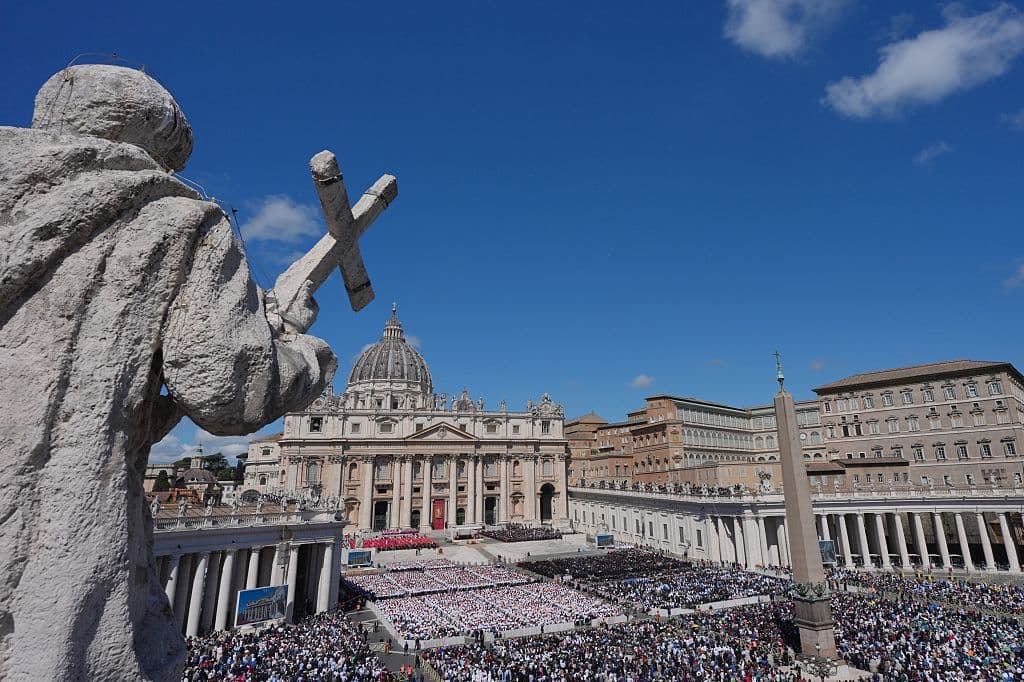
The notables who attended the funeral of Pope Francis on Saturday included 12 kings, 52 heads of state, and 14 prime ministers. Even Saudi Arabia and Iran sent ministerial-level delegations.
In sharp contrast, Israel sent no senior officials, choosing instead to be represented by its ambassador to the Vatican, Yaron Sideman — a notable departure from 2005, when President Moshe Katsav and Foreign Minister Silvan Shalom attended the funeral of Pope John Paul II.
The muted diplomatic response has been interpreted both in Israel and abroad as reflecting the Israeli government's anger at Pope Francis’s outspoken criticism of its conduct in Gaza..
Another sign of tension emerged immediately following the Pope’s death. Initially, Israel's verified account on X posted a warm tribute, featuring a photo of Pope Francis at the Western Wall and concluding, "May his memory be a blessing." The post was swiftly deleted without explanation, although Jerusalem Post quoted Foreign Ministry officials who claimed the tribute had been published "in error".
On Tuesday the Israeli Prime Minister’s Office issued a terse, two-sentence message of condolence "The State of Israel expresses its deepest condolences to the Catholic Church and the Catholic community worldwide at the passing of Pope Francis. May he rest in peace."
The Pope and Gaza
Pope Francis was frequently critical of Israel's military actions, particularly during the war in Gaza. In November 2024, the Pope suggested the international community should consider whether Israel’s actions in Gaza constituted genocide — an accusation Israel vehemently denies. Earlier this year, he described the humanitarian situation in Gaza as "shameful." In his final public address on Easter Sunday — the day before his death — Pope Francis again referenced Gaza, calling for compassion towards both Palestinians and Israelis.