Published: 6 May 2026
Last updated: 7 May 2026
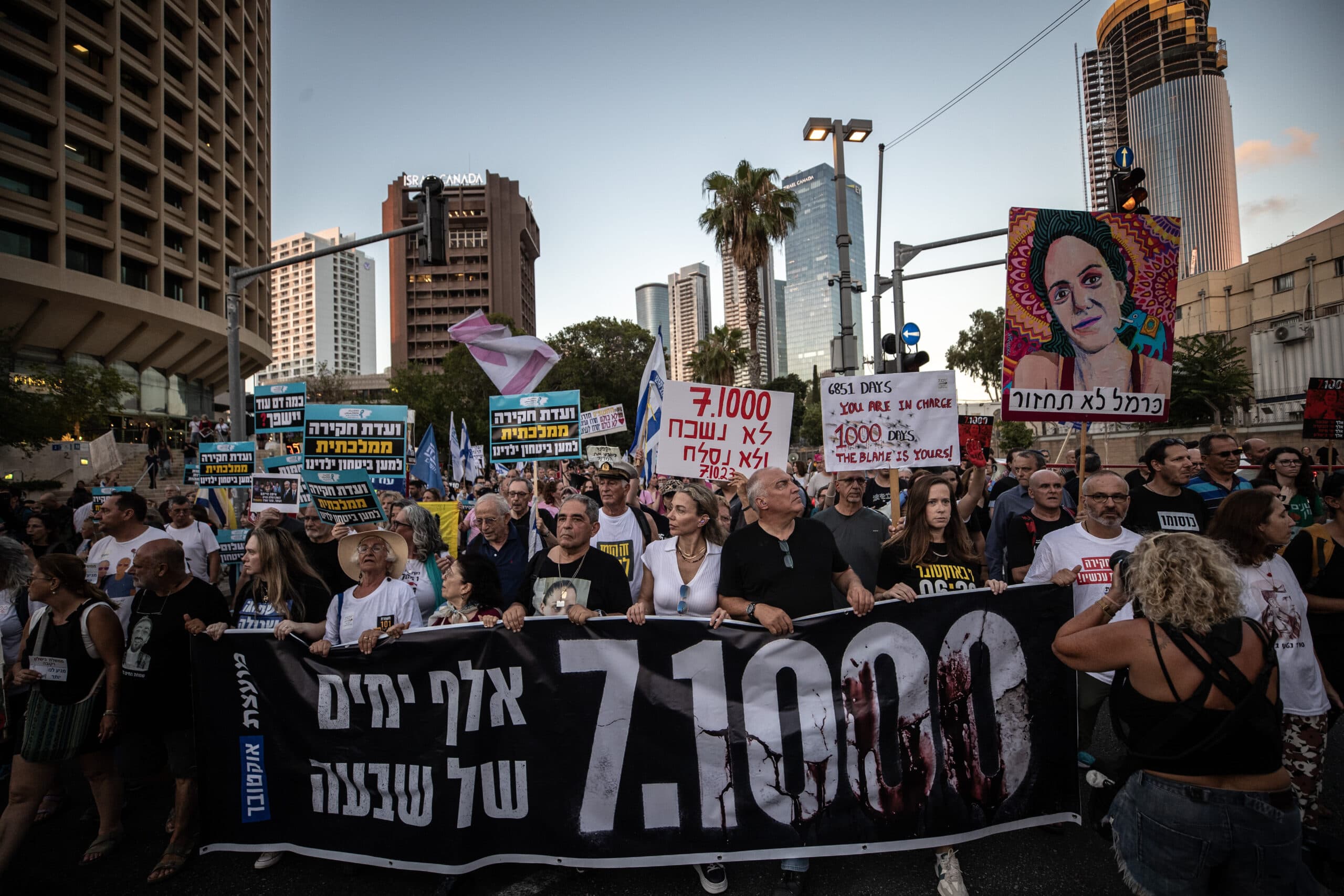
Israel is heading towards an election shaped not just by political competition, but by a growing contest over the integrity of the process itself. What was once framed as a warning, that the governing coalition could damage democratic norms, has increasingly become a description of an ongoing process.
Across the system, signs of strain are accumulating. Institutions are under pressure, senior officials are stepping down, and detailed policy analysis is mapping out how electoral rules can be bent without being formally broken. The opposition is now openly preparing for the possibility that the election may be disrupted, or its results contested.
The central question is no longer whether risks exist, but how far the erosion has already progressed and whether it can be contained before voters go to the polls.
The mechanics of democratic erosion
A recent report by the research institute Zulat for Equality and Human Rights provides one of the most comprehensive frameworks for understanding these concerns. Rather than predicting a dramatic cancellation of elections, it outlines how democratic systems can be reshaped from within.
The report situates Israel within what political scientists describe as an “authoritarian-competitive” system. In such systems, elections remain in place, opposition parties are allowed to operate, and democratic institutions continue to exist. However, the conditions of competition are steadily distorted in favour of the incumbent government. The key mechanism is not a single dramatic intervention, however, the accumulation of smaller steps, each defensible on its own, although collectively transformative.